


Glass Bottle Art
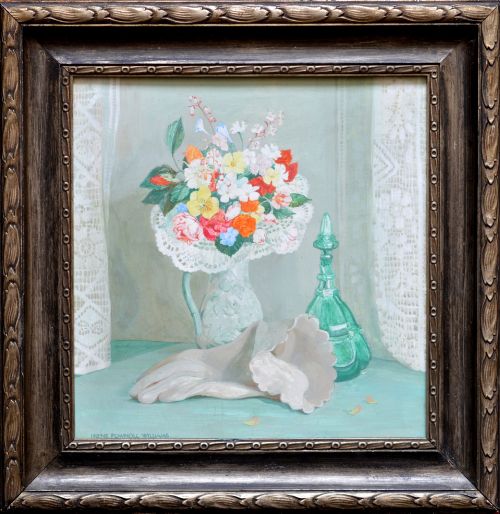
Glass bottle art brings together functional vessels and intricate maritime dioramas created across the nineteenth and twentieth centuries.
Glass Bottle Art
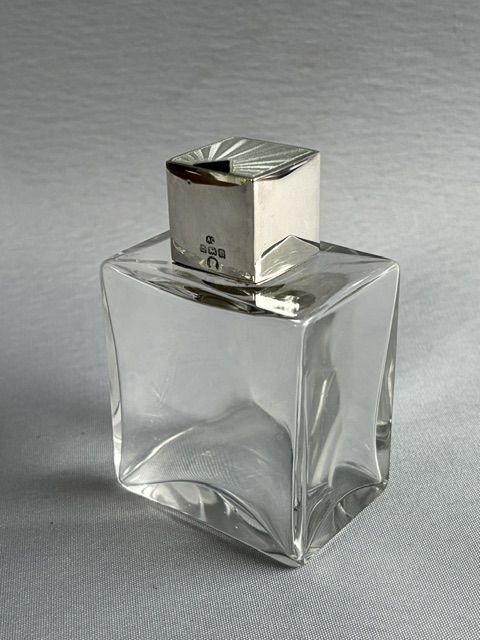
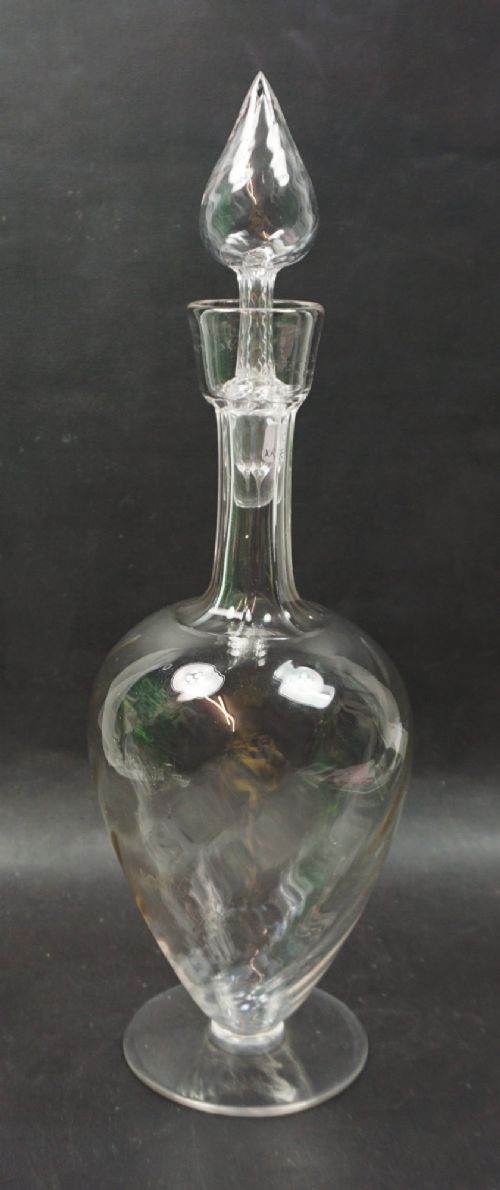
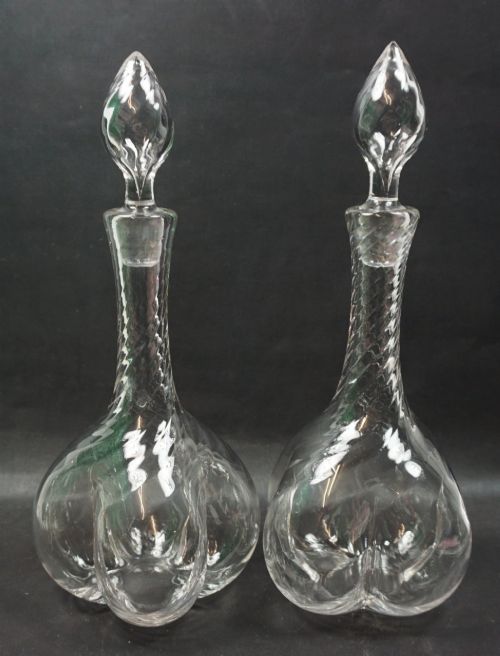
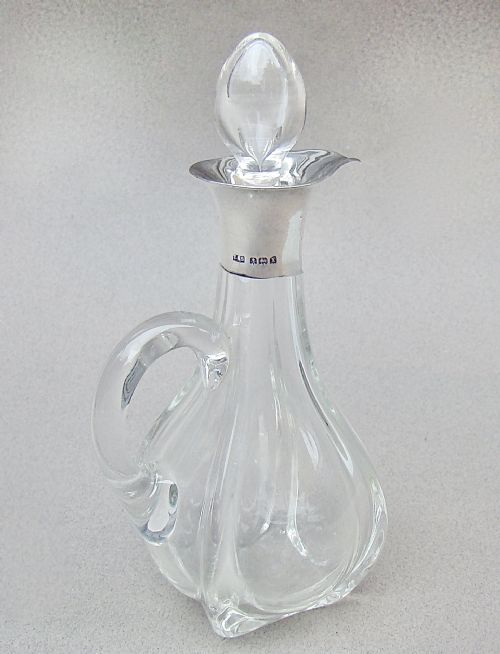
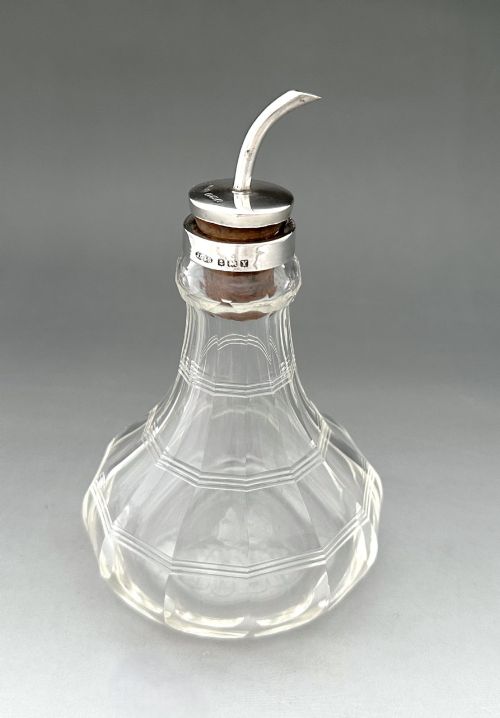
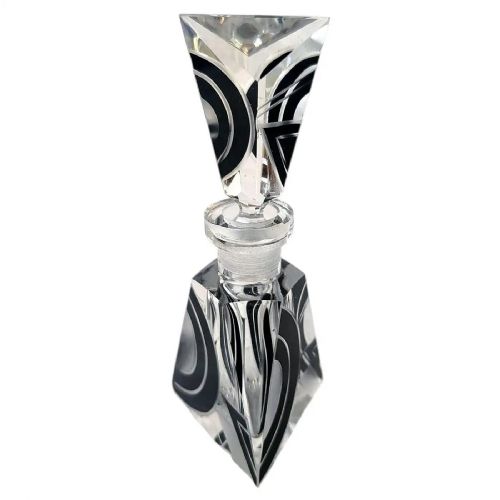
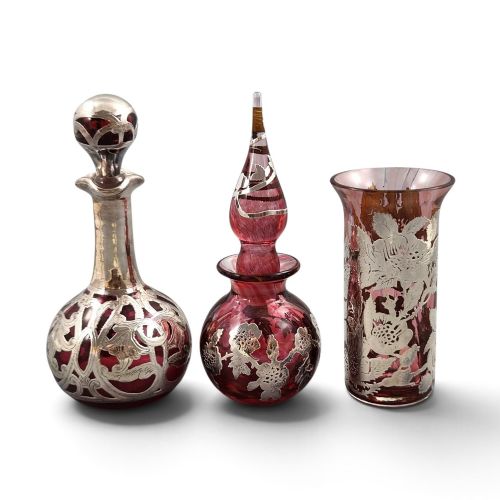
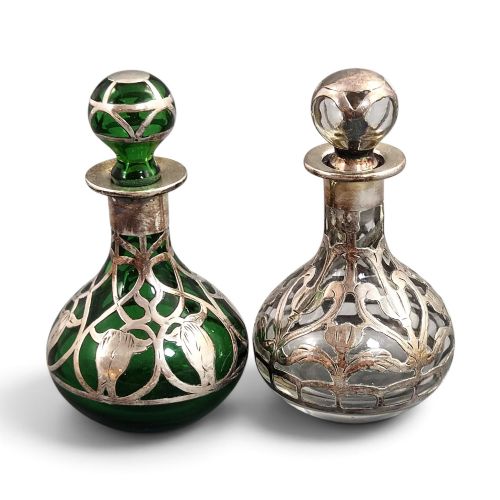
Glass bottle art includes practical vessels and detailed maritime models, spanning periods from the nineteenth century through the 1940s. Perfume bottles, decanters, and scent bottles form a substantial portion of these listings, often accented with precious metal mounts.
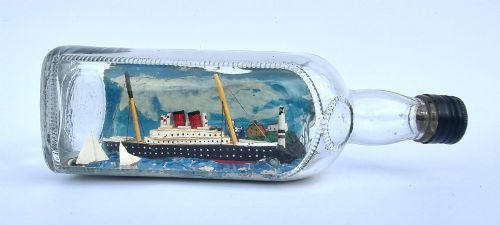
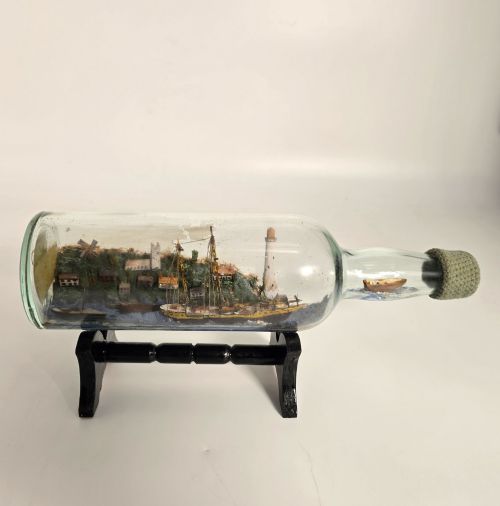
Maritime folk art is another distinct manifestation, featuring model sailing ships housed inside glass bottles with wooden plinths and painted dioramas. These objects reflect both decorative vanity items and handmade nautical whimsies.
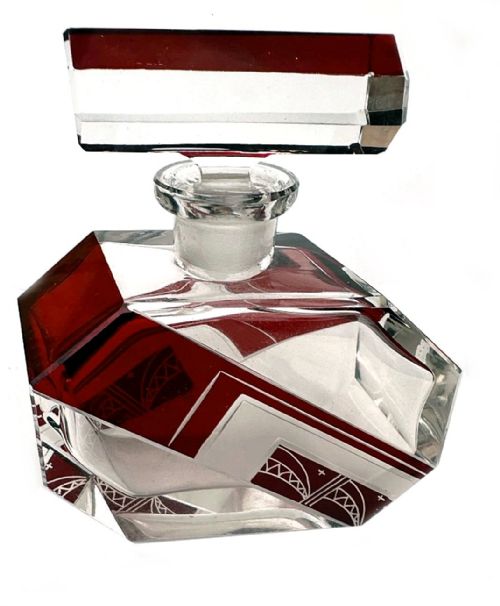
Art Deco and Art Nouveau styles dominate the aesthetic, accompanied by Arts and Crafts examples and Victorian pieces. Buyers encounter Czech atomisers, English decanters, and French scent bottles among the selections.
Materials and construction methods
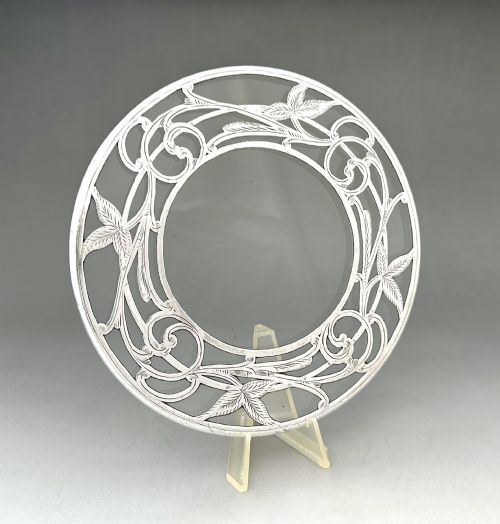
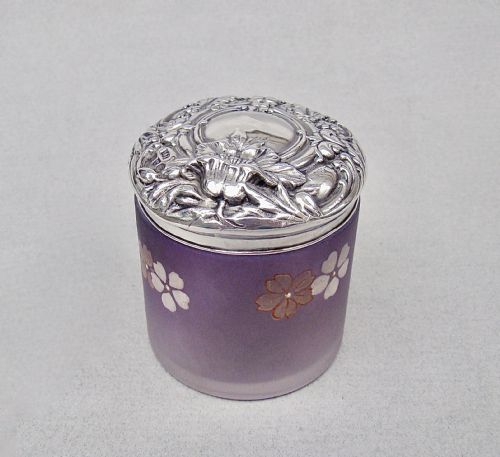
Makers utilised clear, frosted, cut, and ruby glass combined with sterling silver, enamel, wood, and cork. Metal overlay and guilloche enamel frequently embellished the glass surfaces of dressing table sets and scent bottles.
Maritime dioramas involved assembling miniature wooden ships to fit through narrow bottle necks before manipulating rigging with specialised tools. Decanters and perfume bottles utilised optical blowing, geometric cutting, and moulded techniques characteristic of firms like René Lalique and Karl Palda.
Glass Bottle Art Retail Price Guide 2026
Typical asking prices for glass bottle art among the pieces listed under this phrase on Sellingantiques today, from the lower quarter to the upper quarter. They describe what is for sale here now, not the wider market.
Listings feature items spanning the 19th century through the 1940s, incorporating glass, sterling silver, enamel, and wood.
Distinctions in quality
Quality rests upon the precision of the glass cutting, the weight of the lead crystal, and the crispness of silver mounts and enamel work. Pieces by recognised designers exhibit cleaner moulding and more deliberate geometric motifs.
In folk art examples, the complexity of the ship rigging and the stability of the interior diorama determine the execution level. Intact enamel panels and matching stoppers elevate the desirability of dressing table items.
Walsh & Walsh·James Powell·Levi & Salaman·Gorham·Laugharne·Karl Palda·Henry Perkins·Rene Lalique
The Glass Bottle Art Glossary
- Guilloche enamel
- A decorative technique involving precise mechanical patterns engraved beneath a translucent enamel layer. This method appears frequently on twentieth-century vanity sets and scent bottles.
- Diorama
- A three-dimensional scene enclosed within a glass vessel, commonly depicting sailing ships with detailed rigging and painted backdrops.
- Atomiser
- A spray mechanism fitted to a perfume bottle for dispensing liquid fragrance. These components often incorporate metal hardware and glass bulbs.
- Optically blown
- A glassmaking technique where molten metal is inflated inside a ribbed mould to create swirling patterns within the vessel wall.
Glass Bottle Art: Frequently Asked Questions
How do I date a perfume bottle?
Dating relies on hallmarks stamped onto silver mounts, stylistic indicators such as Art Deco geometric cuts, and manufacturing signatures. Maker attributions and accompanying fitted boxes also provide chronological markers.
Examination of the glass type and stopper design helps distinguish Edwardian examples from mid-century pieces.
Were ship bottles made by sailors?
Many folk art ship models inside glass bottles originated with sailors during maritime voyages using simple hand tools. Other examples were produced as decorative whimsies in coastal communities.
Intricate rigging and painted dioramas reflect the maker's patience rather than standard industrial production methods.
How should I clean silver mounts?
Silver mounts require gentle cleaning with a soft cloth to avoid disturbing adjacent glass surfaces or enamel inlays. Polishing creams should be kept away from frosted glass and painted details.
Regular dusting prevents tarnish accumulation on intricate Art Nouveau and Art Deco overlays.
Are stoppers original to the bottles?
Matching the ground glass number on the stopper to the base helps verify originality in decanters and scent bottles. Replacement stoppers often show minor variations in colour or fit.
Perfume atomisers require inspection of the internal tubes and rubber components for replacement history.