


Glass Barware Bottles
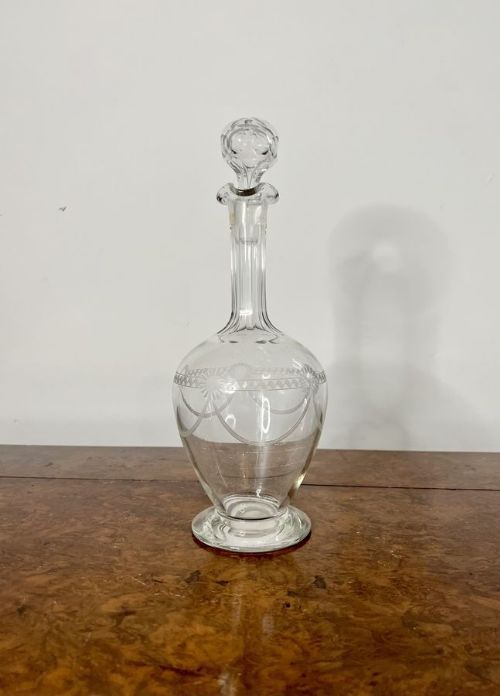
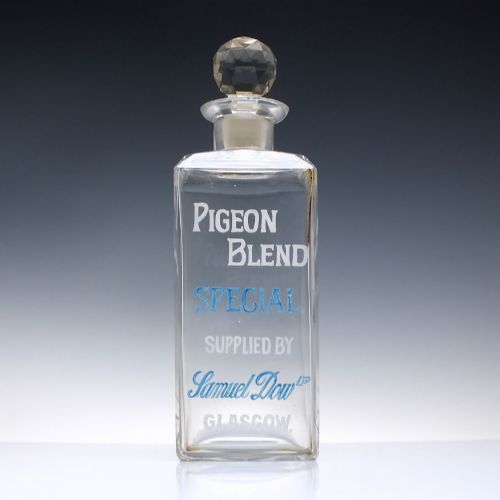
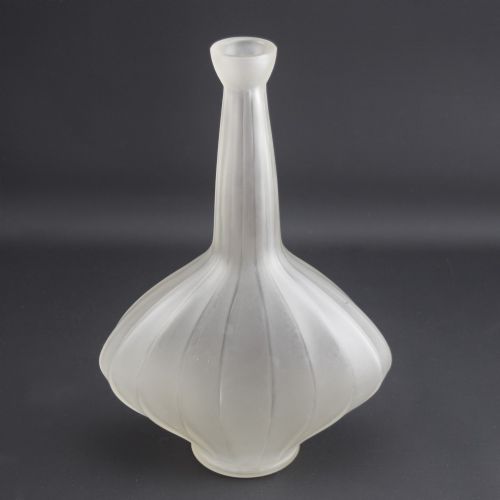
These glass barware bottles and decanters hold spirits securely on the sideboard, combining practical utility with period style.
Glass Barware Bottles
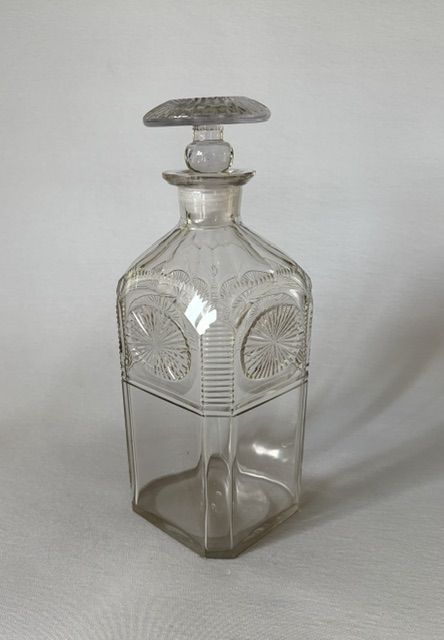
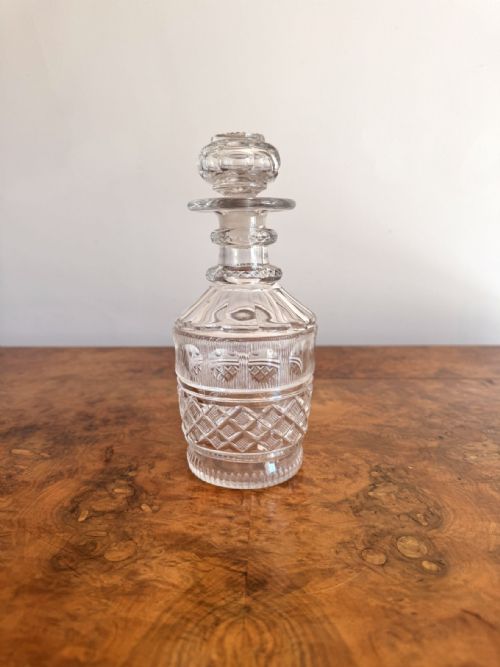
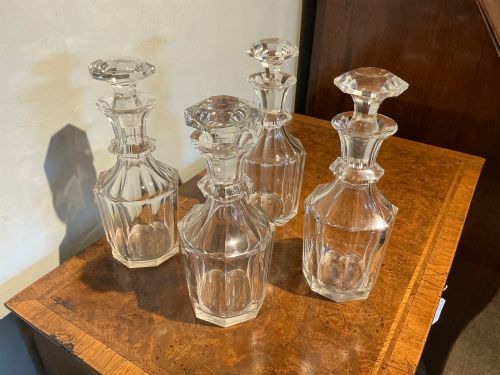
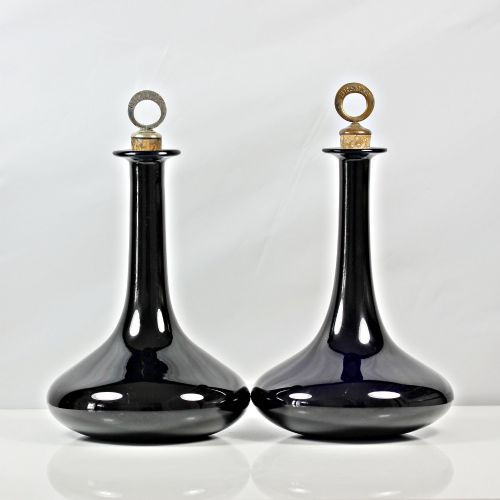
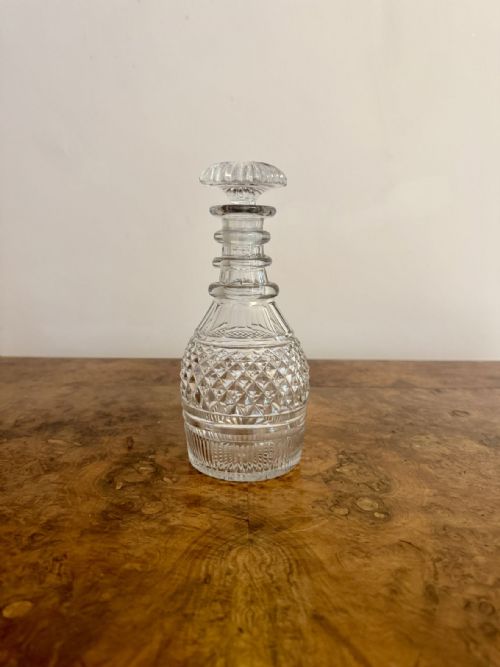
Glass barware bottles encompass decanters, spirit flasks, tantaluses, and champagne coolers spanning the Victorian, Edwardian, and Art Deco periods. Decanters form the bulk of the selection, ranging from heavy cut glass vessels to coloured crystal examples.
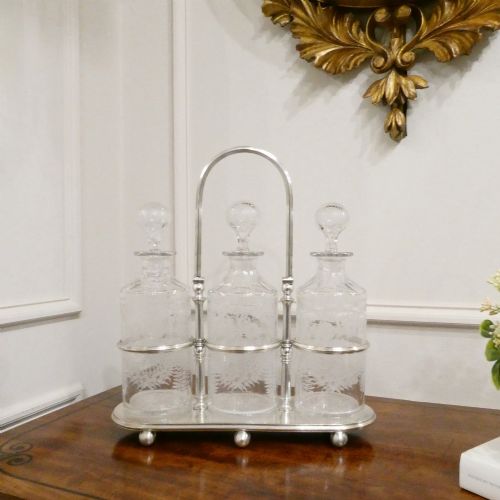
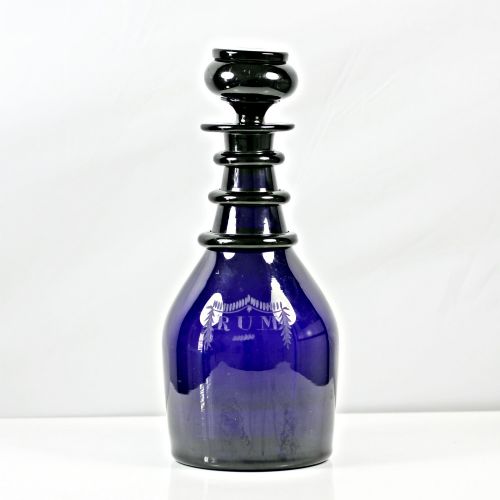
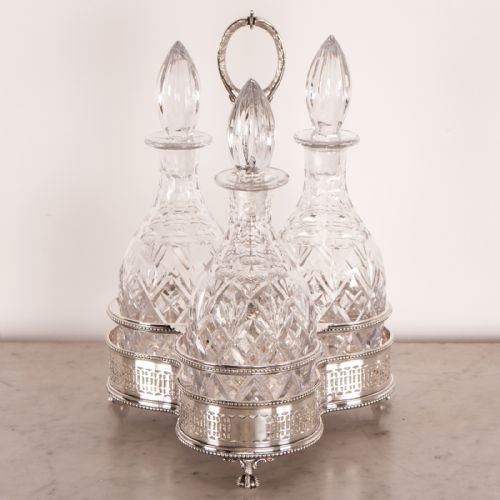
Makers and designers working in England and Europe produced matched sets and pairs for serving wine and spirits. Forms include three-ring rum decanters, mell shapes, and fitted tantaluses housing multiple bottles.
How they were made
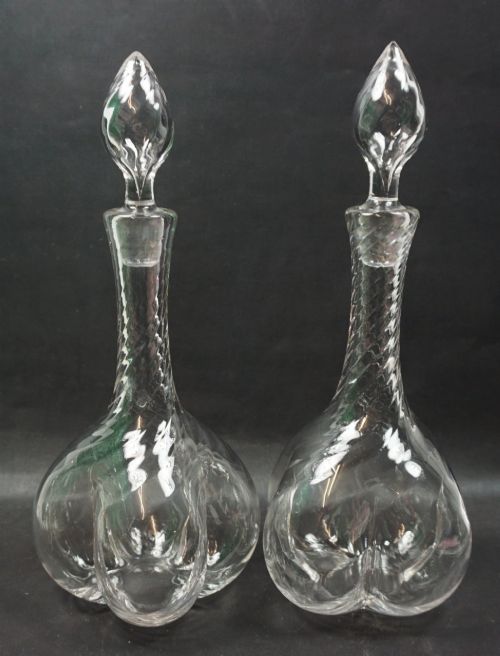
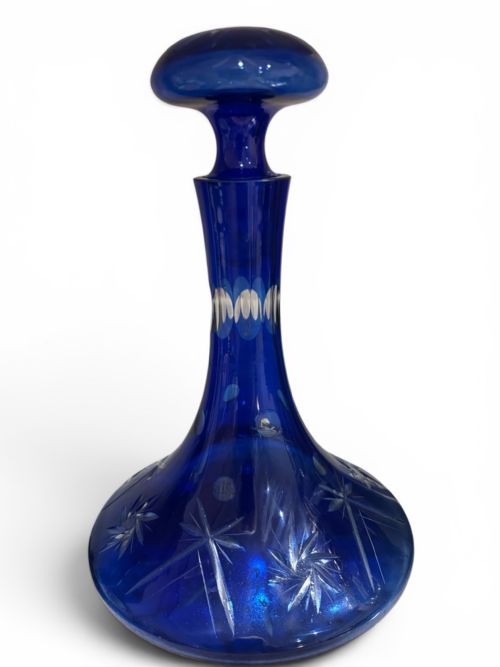
Glasshouses utilised lead crystal, plain glass, and coloured glass, often shaping pieces through optical blowing or cutting deep facets into the material. Coloured variants span ruby, green, cobalt, and Bristol blue hues.
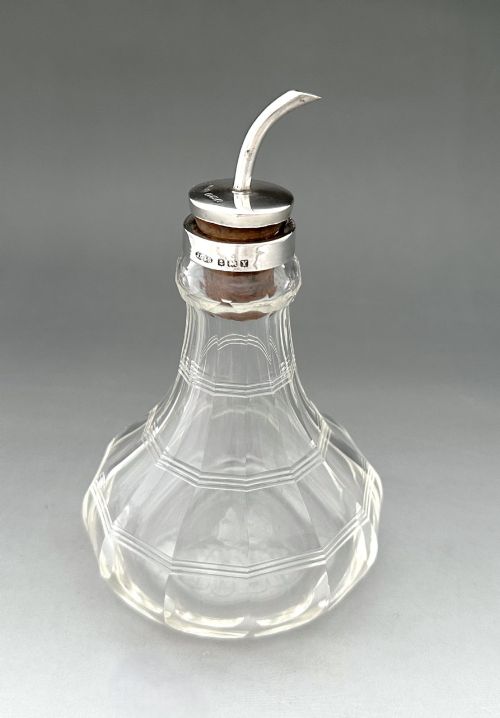
Mounts in sterling silver, silver plate, and brass frequently secure necks and stoppers, sometimes bearing hallmarks from silversmiths like Walker & Hall alongside maker attributions to James Powell or Rene Lalique.
Glass Barware Bottles Retail Price Guide 2026
Typical asking prices for glass barware bottles among the pieces listed under this phrase on Sellingantiques today, from the lower quarter to the upper quarter. They describe what is for sale here now, not the wider market.
Victorian hosts locked their tantaluses to keep the gin out of the servants' reach, inventing the original smart-home security system.
What varies in quality
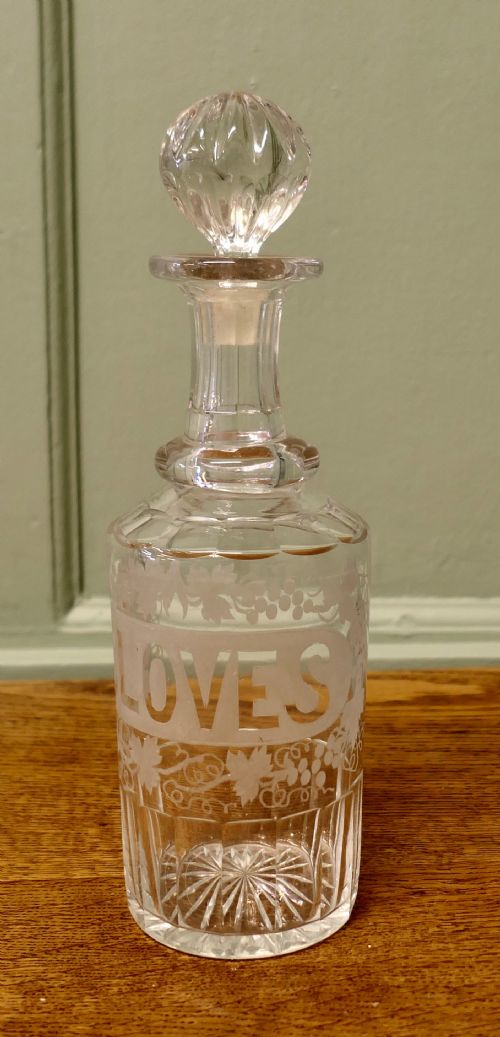
Clarity and weight distinguish standard vessels from superior lead crystal examples, whilst depth of wheel-cutting defines the surface texture. Hand-engraved lettering for spirit labels adds refinement to the glass.
The integrity of silver mounts and fitted wooden frames, such as satinwood or oak tantaluses with working locks, separates utilitarian pieces from high-status examples.
Walsh & Walsh·James Powell·Walker & Hall·Rene Lalique
The Glass Barware Bottles Glossary
- Decanter
- A glass vessel designed for holding and serving wine or spirits, typically fitted with a ground glass stopper. Stoppers ground to fit individual necks ensure a tight seal.
- Tantalus
- A locked wooden frame holding decanters securely while displaying the contents without permitting access without a key. This clever device prevented household staff from sampling the owner's spirits.
- Mell
- A decanter with a rounded body tapering towards the base, popular during the Regency and William IV periods. The bulbous shape provides stability on dining tables.
- Spirit Flask
- A portable glass bottle intended for travelling, frequently paired with a protective leather or metal case and silver cup. These containers slip easily into hunting pockets.
- Bitters Jigger
- A small vessel designed for dispensing aromatic bitters in cocktail preparation. Metal mounts regulate the flow of the liquid.
Glass Barware Bottles: Frequently Asked Questions
How do I clean old decanters safely?
Warm water and non-abrasive cleaning beads remove residue without scratching the interior surface. Avoid sudden temperature changes that can crack historical glass.
Air-dry the vessel thoroughly with the stopper removed to prevent moisture retention.
What is a three-ring decanter?
A decanter featuring three applied glass rings around the neck, which originally aided a firm grip during pouring. These rings became a defining characteristic of nineteenth-century spirit bottles.
Craftsmen applied the rings while the glass remained hot before shaping the main body.
Can I use these bottles for daily dining?
Lead crystal and heavy glass bottles suit regular service provided hand-washing replaces dishwashers. Secure stoppers maintain the freshness of spirits stored inside.
Inspect silver mounts regularly to ensure metalwork remains dry after cleaning.
How do I identify the period of a decanter?
Punt marks on the base, stopper shape, and cutting styles indicate manufacturing eras from the Georgian period through Art Deco. Hallmarks on silver collars provide precise dates and maker details.
Colour preferences, such as Bristol blue or cranberry glass, also align with specific nineteenth-century decades.