




Glass Art Decor
Glass art decor brings together iridescent vessels, reverse-painted portraits, and folk dioramas crafted across centuries of imaginative design.
Glass Art Decor
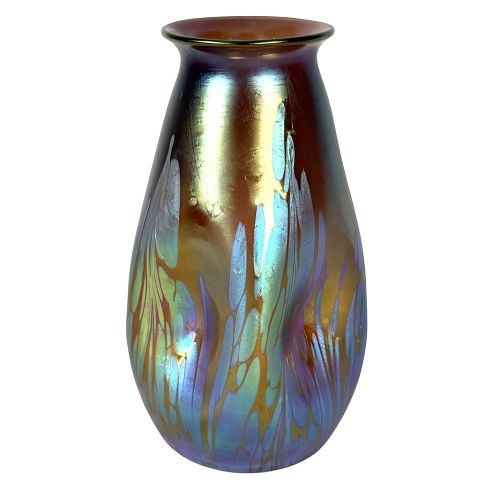
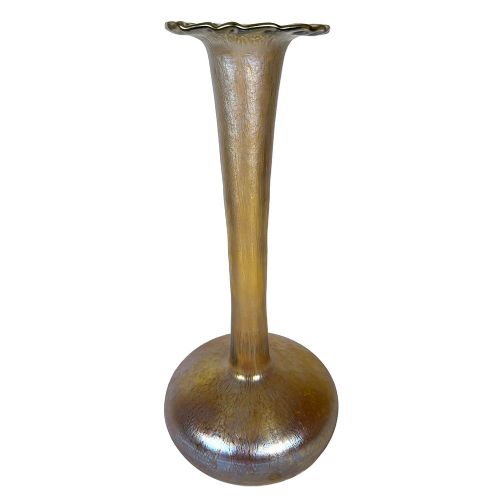
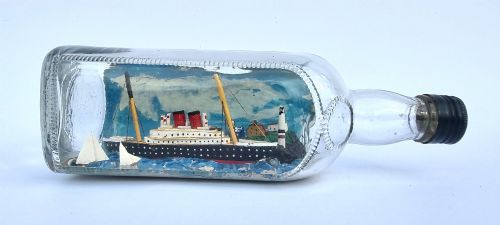
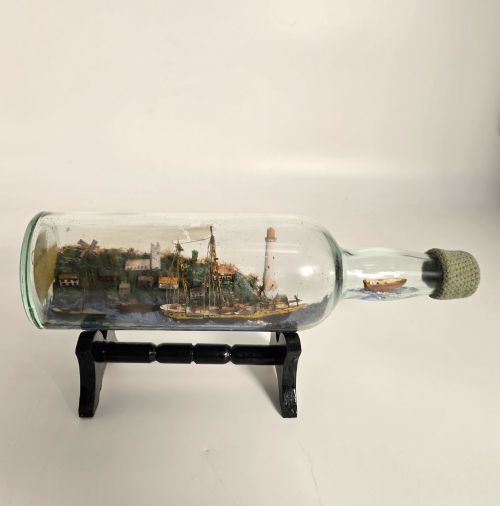
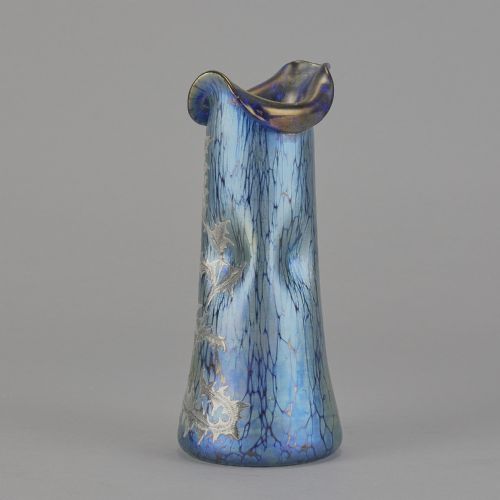
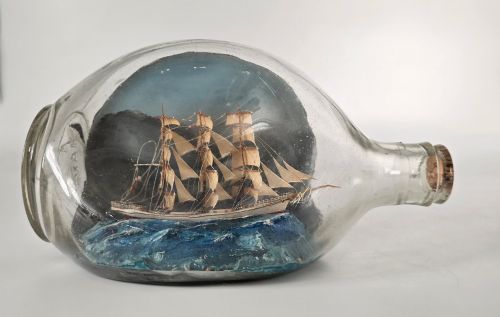
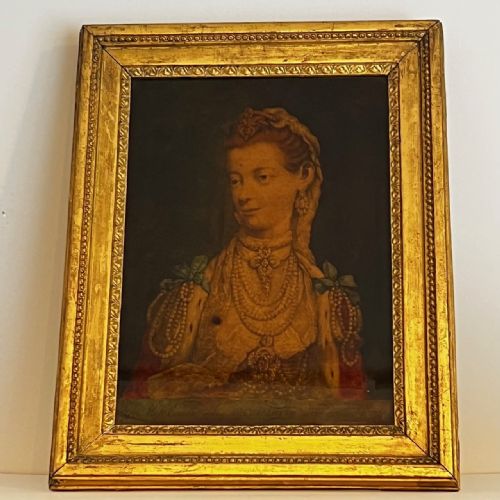
When you search for glass art decor, you encounter a diverse range of objects spanning multiple centuries and artistic movements. The selection on this page leans heavily into shimmering Art Nouveau iridescent vessels, Georgian reverse glass prints, and maritime folk art such as ships in bottles.
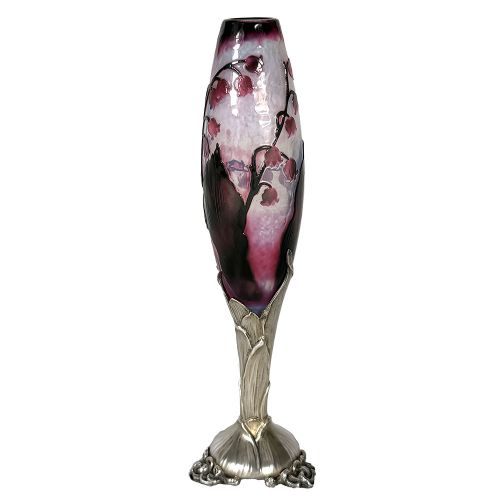
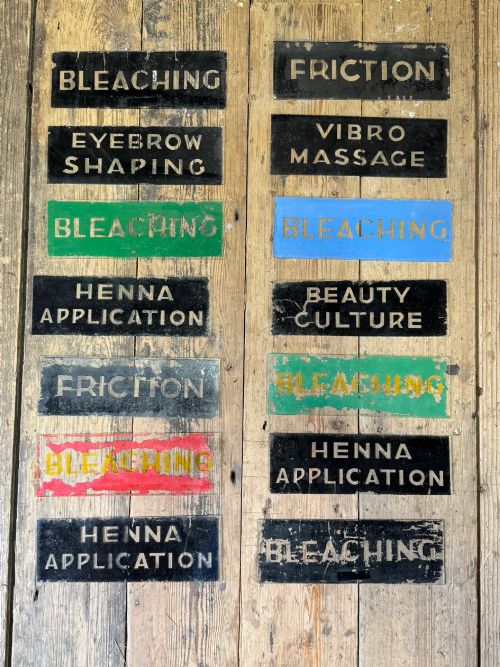
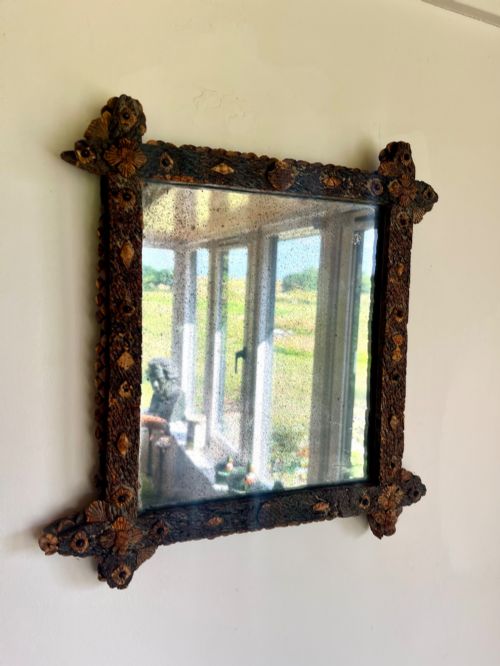
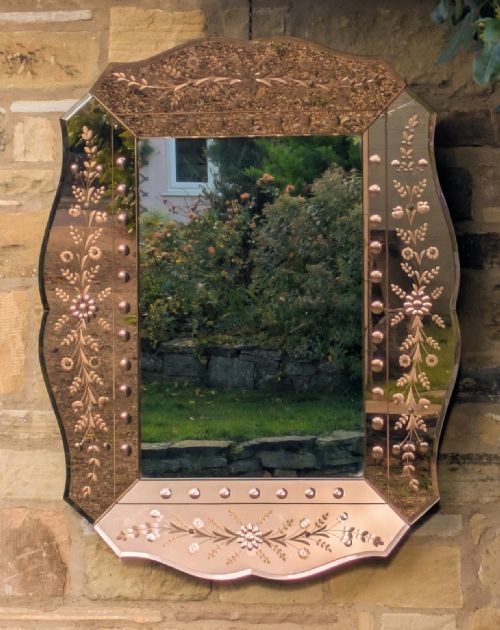
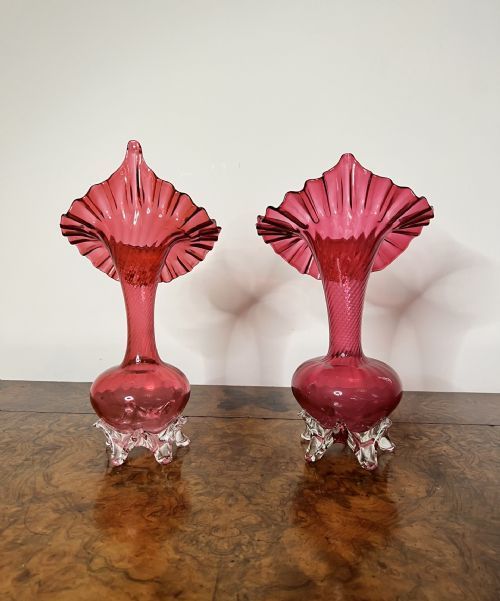
Vessels take many forms, from silver-mounted lily vases to ribbed bulb shapes with enamelled flora. Alongside these decorative bowls and bottles sit wall mirrors, framed paintings under glass, and advertising signs created through reverse painting techniques.
How they were made
Makers utilised free-blown and mould-blown techniques, often treating molten surfaces with metallic oxides to achieve shimmering iridescent effects. Cooling glass received wheel-carving, acid-etching, or applied glass trails to build texture and contrast.
Flat works rely on reverse painting and printing, where artisans applied pigments directly onto the underside of glass panes so the image reads correctly from the front. Frames incorporate wood, giltwood, and cork tramp art, enclosing pastels, watercolours, and engravings protected behind convex or flat glass.
Glass Art Decor Retail Price Guide 2026
Typical asking prices for glass art decor among the pieces listed under this phrase on Sellingantiques today, from the lower quarter to the upper quarter. They describe what is for sale here now, not the wider market.
Listings span periods from the Georgian era through to the mid-twentieth century, uniting fragile glassware with maritime folk art dioramas.
What varies in quality
Quality rests upon the crispness of execution, whether in the depth of an iridescent glaze finish or the fine brushwork of a reverse-painted portrait. Pieces bearing distinct stylistic signatures from notable makers exhibit superior artistic ambition and material control.
The integration of mountings, such as silver work or custom wooden stands, distinguishes standard domestic output from more accomplished studio and workshop production. Preservation of the original surface, free from clumsy modern repairs, maintains the integrity of each piece.
Loetz·Georg Adam Scheid·Daum·Keith Murray for Stevens & Williams·Legras
The Glass Art Decor Glossary
- Iridescent glass
- Glass treated with metallic vapours during cooling to produce a shimmering, rainbow-like surface sheen. This technique defines many Art Nouveau vessels.
- Reverse painting on glass
- An artistic method where the design is painted directly onto the back of a glass sheet and viewed from the front. Georgian prints and advertising signs frequently employ this technique.
- Papillon decor
- A distinctive speckled or mottled iridescent surface finish associated with late nineteenth and early twentieth-century glass production. It creates a textured, insect-wing appearance.
- Chrystoleum
- A Victorian method of applying hand-colouring to a photograph placed under convex glass. The paper backing was often made transparent with oil to allow further pigment application.
Glass Art Decor: Frequently Asked Questions
What is reverse glass painting?
Reverse glass painting involves applying pigments or printing inks directly onto the rear side of a glass panel. Artisans must paint details in reverse order, starting with foreground elements before background layers.
When viewed through the front, the glass protects the pigment while lending the image a glossy, luminous depth. This technique appears across eighteenth-century portrait prints and twentieth-century shop signs alike.
How do I care for antique glass decor?
Antique glass requires gentle handling and stable indoor environments away from direct sunlight and sudden temperature shifts. Dust surfaces lightly with a dry, soft cloth rather than submerging pieces in water, particularly if they feature delicate enamel or metallic mounts.
Framed works behind glass should be kept in rooms with low humidity to prevent moisture from damaging paper prints or reverse-painted panels.
How are ships in bottles constructed?
Maritime folk artists constructed miniature sailing ships with hinged masts and rigging that folded flat against the hull. The model was inserted carefully through the narrow neck of a glass bottle using long wires and threads.
Once inside, strings pulled the masts upright and locked them into position, often amidst putty or painted fabric styled to resemble ocean waves.
What defines Art Nouveau glass?
Art Nouveau glass draws inspiration from natural organic forms, featuring fluid shapes, undulating plant motifs, and iridescent finishes. Makers experimented with chemical treatments to mimic the shimmering colours found in beetle wings and peacock feathers.
These vessels discarded rigid classical symmetry in favour of asymmetrical curves and plant-like stems, such as lily and papillon designs.