



Glass Art Deco Bar Cart
A glass art deco bar cart brings modernist elegance to entertaining, combining clean geometric lines with practical tiered serving space.
Glass Art Deco Bar Cart
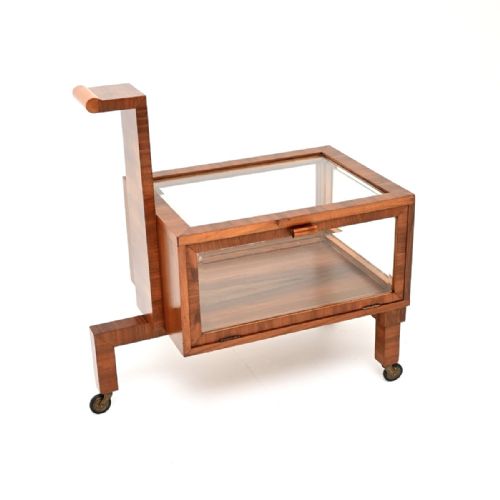
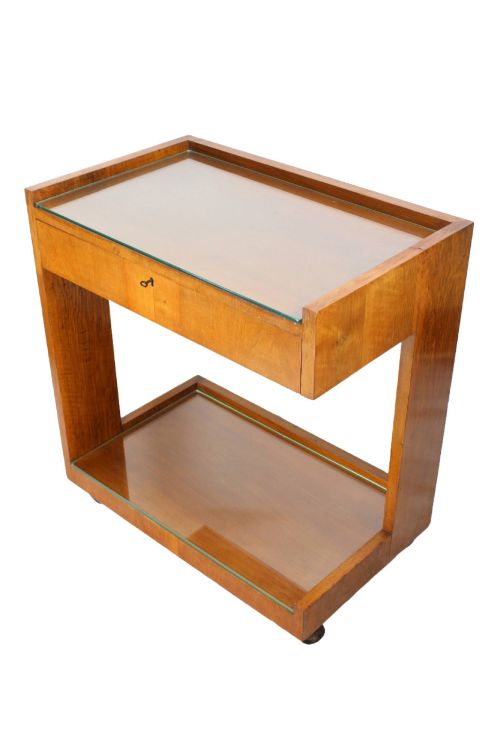
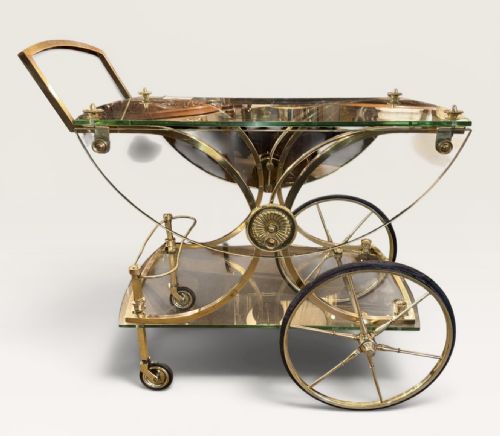
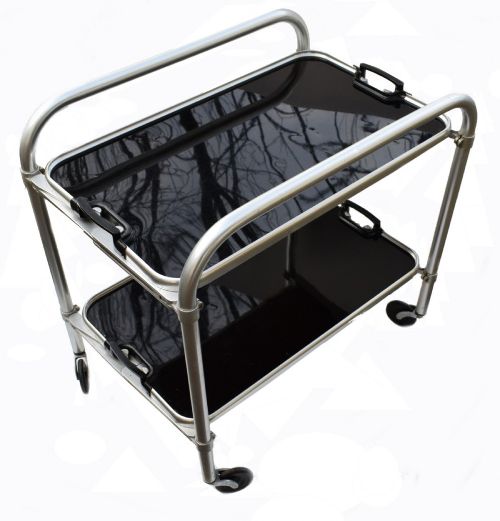
When searching for a glass art deco bar cart, buyers encounter sophisticated drinks trolleys and serving carts dating primarily from the nineteen-thirties and nineteen-twenties. These pieces take the form of multi-tiered trolleys designed for hosting and serving beverages with distinct period flair.
The most common examples on this page are two-tier trolleys featuring glass surfaces supported by metal or wood frameworks. Originating from French and British workshops, these utilitarian yet stylish objects double as display cases and serving trays.
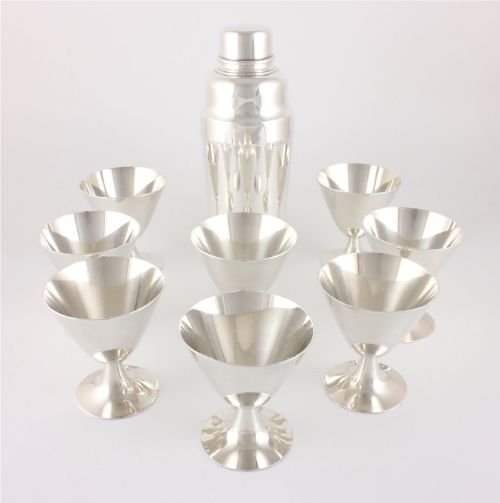
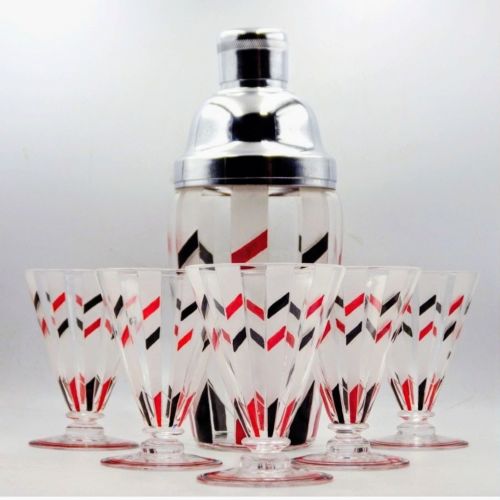
Alongside standard trolleys, the selection encompasses related barware items including serving trays, cocktail shakers, and novelty pieces depicting figures like Charlie Chaplin. These items share the characteristic styling and materiality of the broader art deco movement.
Materials and construction
Makers construct these trolleys using a combination of reflective glass and structural metals or rich timbers. Chrome, brass, steel, and silver plate provide gleaming metallic frames, while walnut and mahogany offer warm wooden alternatives.
Specialised glass treatments define many surfaces, incorporating smoked glass or cobalt blue mirror glass into the design. Metal components are shaped into modernist geometries, supporting multiple tiers for functional use.
Glass Art Deco Bar Cart Retail Price Guide 2026
Typical asking prices for glass art deco bar cart among the pieces listed under this phrase on Sellingantiques today, from the lower quarter to the upper quarter. They describe what is for sale here now, not the wider market.
Listings span three distinct decades, featuring pieces produced in 1920, 1930, and 1940.
Judging quality and craftsmanship
Quality in these pieces rests upon the integration of materials and the sophistication of the metalwork or woodwork. Superior examples display precise chrome plating, heavy cast frames, and high-grade mirrored or smoked glass inserts.
Design ambition separates standard trolleys from exceptional ones, with French mid-century and maker-attributed pieces showing greater refinement in their proportions and decorative details. The weight of the materials and the rigidity of the tier construction signal higher manufacturing standards.
Maison Bagues
The Glass Art Deco Bar Cart Glossary
- Art Deco
- A design style characterised by sleek geometric shapes, streamlined forms, and modern industrial materials that dominated the nineteen-twenties and nineteen-thirties. It emerged globally before the Second World War.
- Smoked Glass
- Tinted glass with a darkened, translucent appearance used extensively in modernist furniture and barware. It reduces glare and adds a moody aesthetic to table surfaces.
- Chrome
- Chromium plating applied to steel or iron to provide a bright, corrosion-resistant finish. This material defines the gleaming surfaces associated with machine-age design.
- Hostess Trolley
- A wheeled serving cart equipped with multiple tiers for transporting drinks, glassware, and nibbles. These items gained popularity for domestic entertaining during the interwar period.
Glass Art Deco Bar Cart: Frequently Asked Questions
What is a glass art deco bar cart used for?
These pieces serve as mobile drinks stations for holding bottles, glassware, and cocktail accessories during social gatherings.
Beyond entertaining, owners utilise them as permanent display surfaces for decorative objects and barware in living spaces.
How do I date a glass art deco bar cart?
Dating relies on identifying stylistic markers such as modernist chrome framing, tiered wooden structures, and specific glass treatments characteristic of the interwar decades.
Archival records and maker attributions further narrow the production period between the nineteen-twenties and nineteen-forties.
Are these trolleys suitable for daily use?
Sturdy metal and wood frames allow these carts to support heavy glassware and bottles during normal domestic service.
Care must be taken to protect antique silver-plated and mirrored glass surfaces from excessive moisture and impact.
What materials are most common on these carts?
Chrome and glass dominate the construction, often paired with walnut or mahogany for the primary framework.
Variations include brass, steel, and specialised inserts like smoked or cobalt blue mirror glass.