



Glass and Silver Plated Jug
When you select a glass and silver plated jug, you acquire a sophisticated vessel designed to serve wine, water or lemonade with period elegance.
Glass and Silver Plated Jug
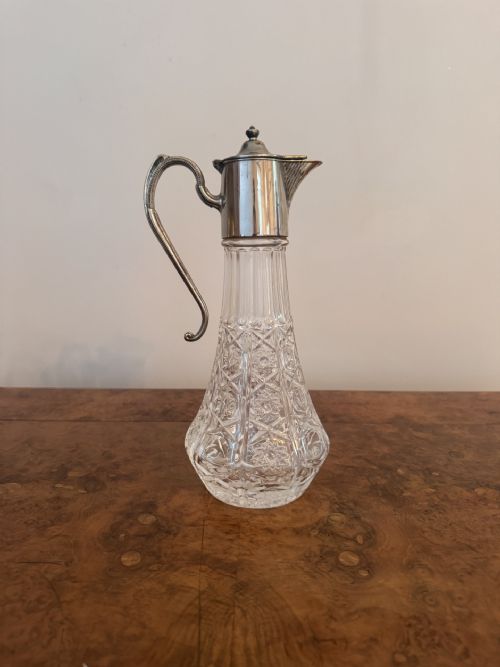
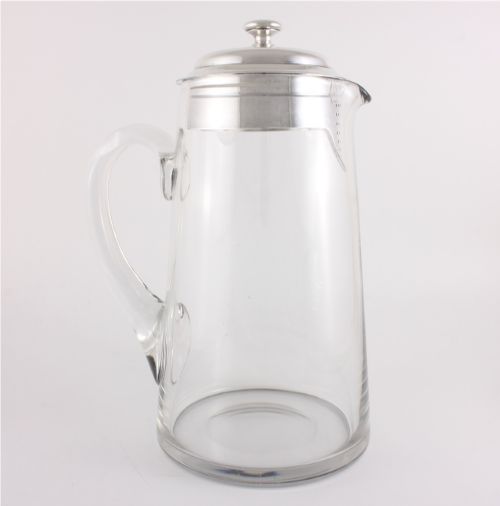
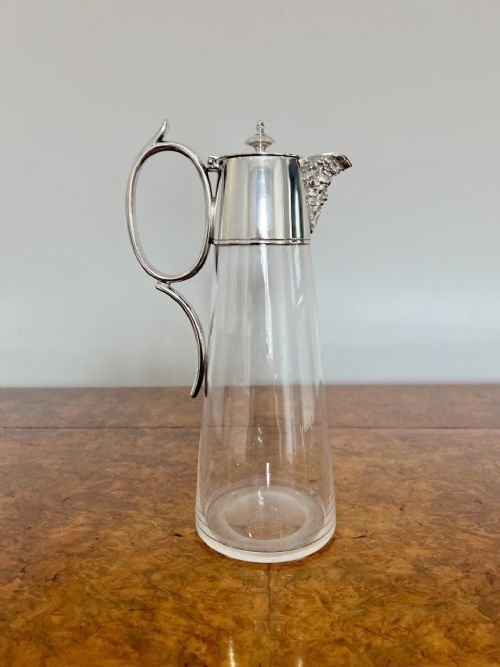
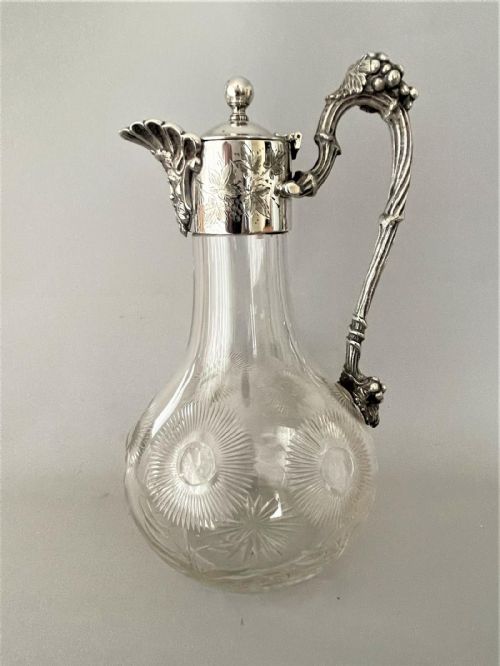
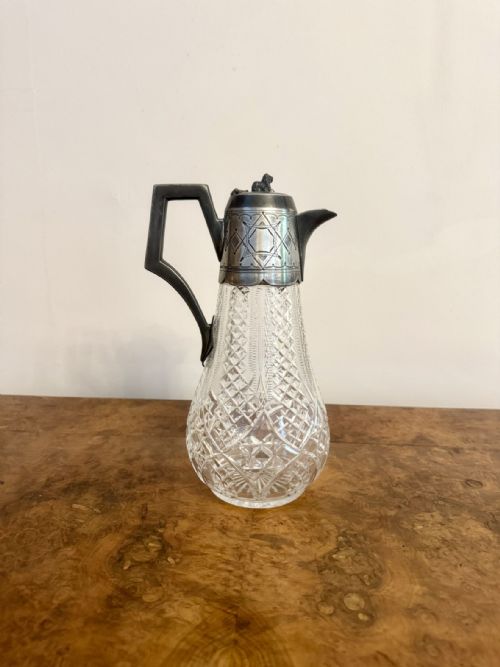
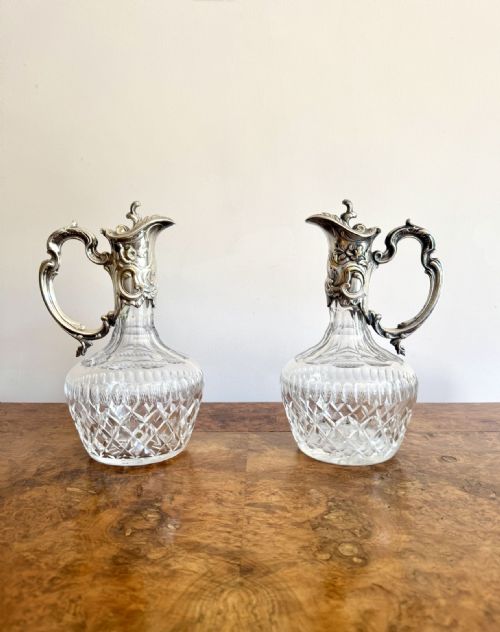
A glass and silver plated jug combines a transparent, coloured, or cut glass body with metal mounts, handles, and hinged covers. These vessels serve functions ranging from wine decanting to water and lemonade service at the dining table.
The most common examples encountered on this page belong to the Victorian and Edwardian eras, spanning from the mid-nineteenth century through the early twentieth century.
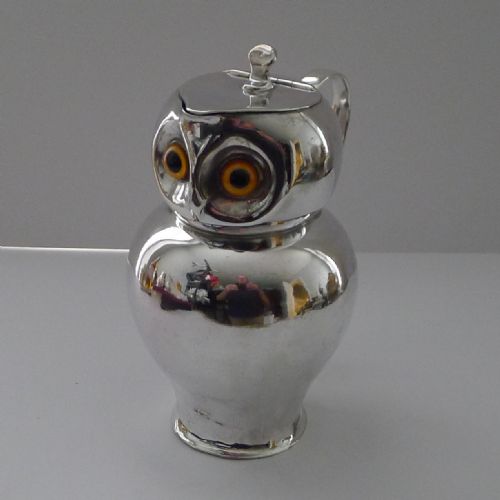
Forms vary from standard tapering cylinders and barrel shapes to novelty animal designs, ewers, and carafes fitted with internal ice tubes.
How They Were Made
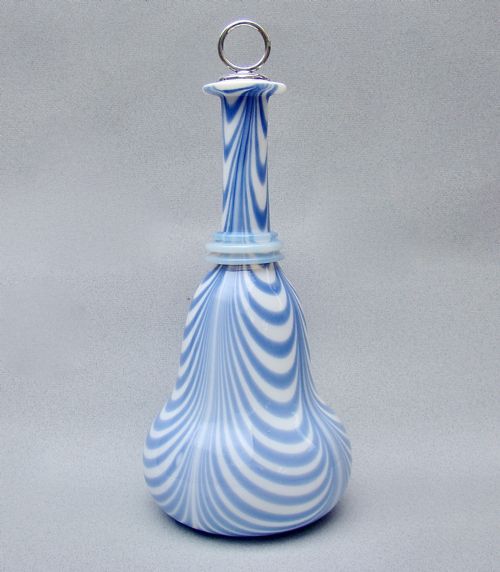
Bodies were formed from heavy clear crystal, cut glass, or blown coloured glass such as cranberry and nailsea types, often shaped with deep flutes, geometric facets, or delicate surface etching.
Mounts, handles, spouts, and hinged lids were cast or stamped from base metal and finished with a layer of silver plate, sometimes utilising old Sheffield plate techniques on earlier pieces.
Smiths and silversmiths secured the metal collars and mounts directly around the glass necks and rims, incorporating functional details such as thumbpieces, Bacchus masks, and rope twists.
Owl-shaped jugs watch over your sideboard with literal glass eyes.
What Varies In Quality
The crispness and depth of the glass cutting or the finesse of the surface engraving distinguish standard production from superior examples, with heavier blanks providing greater substance and resonance.
The thickness and integrity of the silver plating dictate longevity, alongside the mechanical precision of the hinged lid and the security of the mount fitting against the glass rim.
Design distinction elevates certain specimens, particularly those bearing recognizable maker signatures or distinctive styling associated with modernist and avant-garde movements.
Christofle·Mappin & Webb·Elkington & Co·Hukin & Heath·Martin Hall & Co·WMF·Dr Christopher Dresser·Valenti
The Glass and Silver Plated Jug Glossary
- Claret jug
- A specialised serving vessel specifically intended for decanting and pouring red wine at the table. These typically feature a hinged metal lid and an integral handle.
- Silver plate
- A durable surface layer of silver bonded to a base metal core such as copper or Britannia metal. This technique allowed manufacturers to achieve the appearance of solid silver at a lower cost.
- Cut glass
- Glassware shaped and patterned by grinding wheels to create deep geometric facets. This process refracts light and enhances the brilliance of the vessel body.
- Ice tube
- A cylindrical internal compartment designed to chill liquids without diluting them. Water or ice is placed inside the sealed metal tube suspended within the jug.
- Ewer
- A large jug featuring a wide-lipped spout and an elaborate arched handle. These pieces often draw stylistic inspiration from classical pottery forms.
Glass and Silver Plated Jug: Frequently Asked Questions
What is a claret jug used for?
A claret jug serves to hold and pour red wine during formal dining. The hinged lid helps control the pour while keeping the wine protected.
These vessels were standard fixtures on nineteenth and twentieth-century dining tables for serving claret and other table wines.
Were these jugs used for water?
While many were designed for wine, larger examples functioned as water, beer, or lemonade jugs. Some specialised versions included internal ice chambers for chilling beverages.
The presence of an ice tube or a wider spout generally indicates service for water or fruit drinks rather than wine.
How do I identify the period?
Examine the style of the glass cutting, the profile of the handle, and any maker marks stamped on the metal mounts. Victorian pieces often display heavy floral engraving or classical motifs.
Edwardian examples tend toward lighter, crisper lines, while later mid-century pieces adopt streamlined or organic modern contours.