




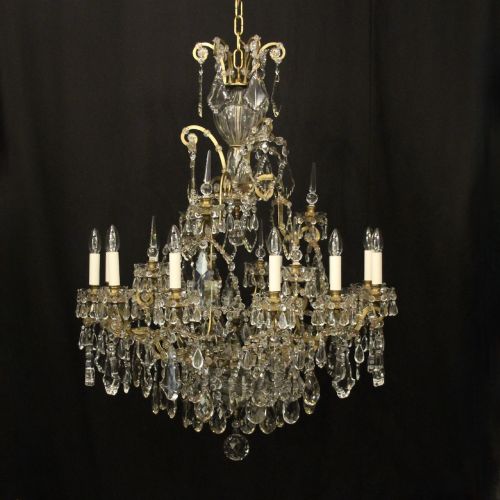
Glass and Bronze Lights
Glass and bronze lights bring warmth and architectural weight to a room, combining cast metal frames with crystal or frosted shades.
Glass and Bronze Lights
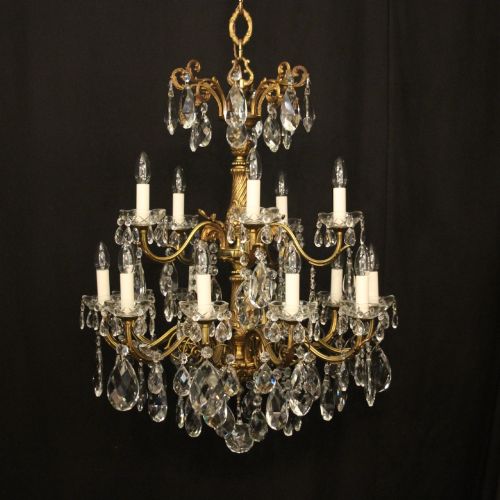
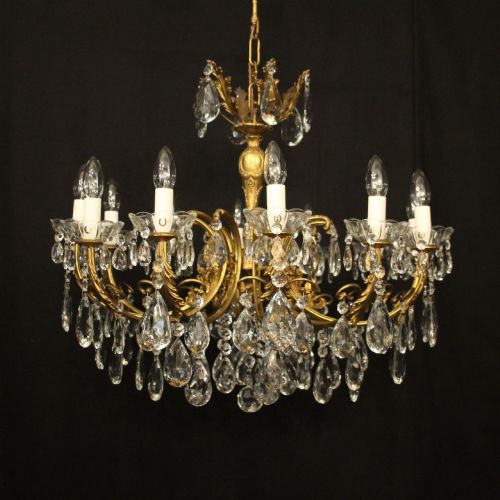
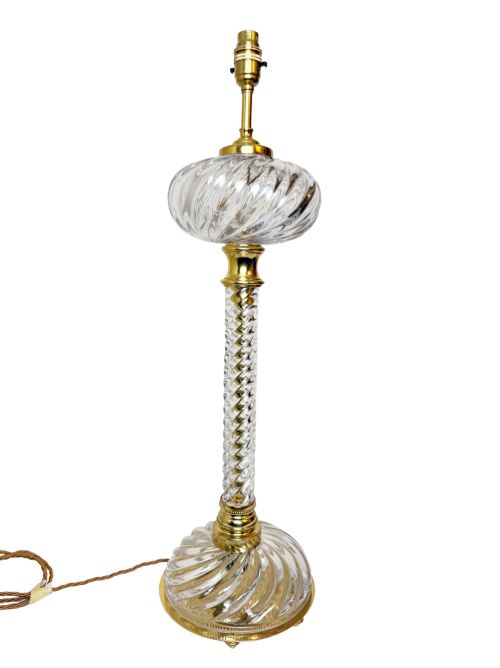
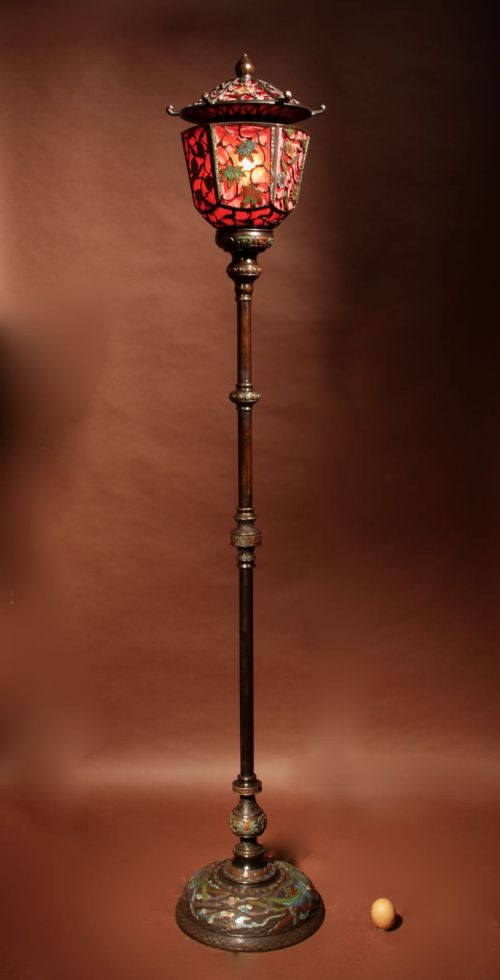
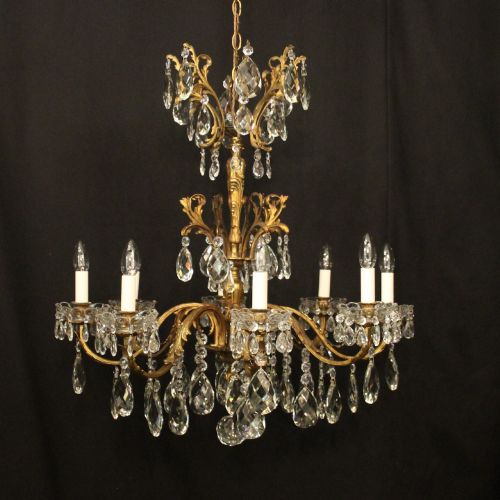
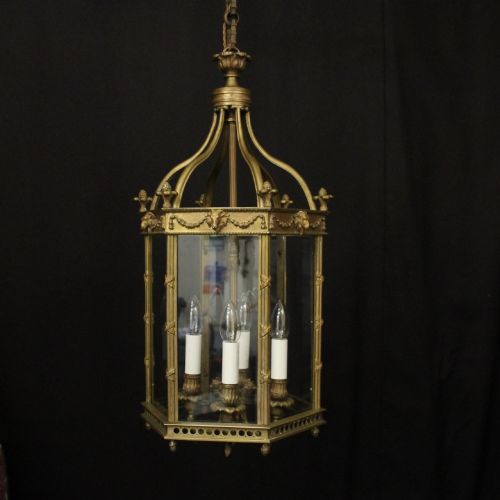
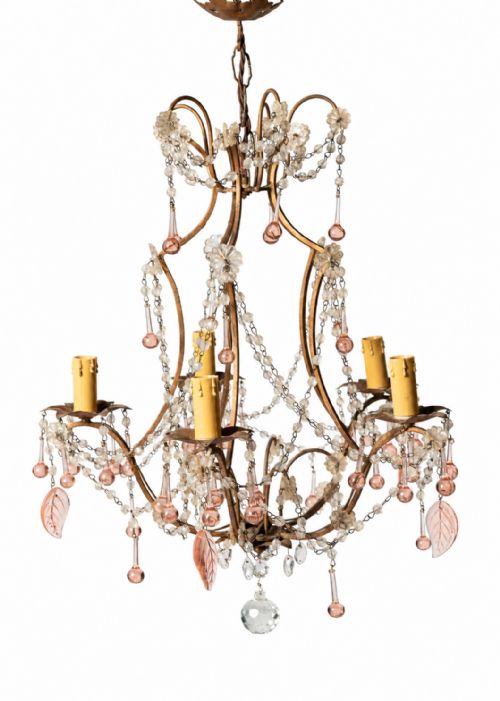
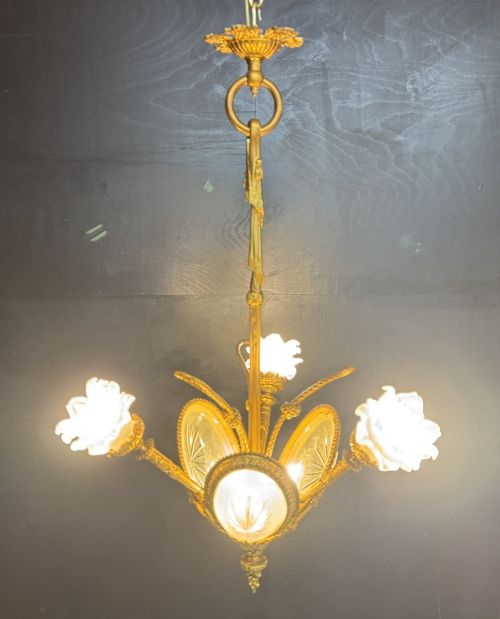
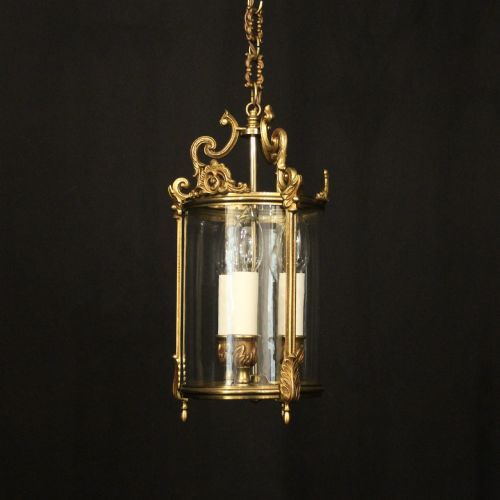
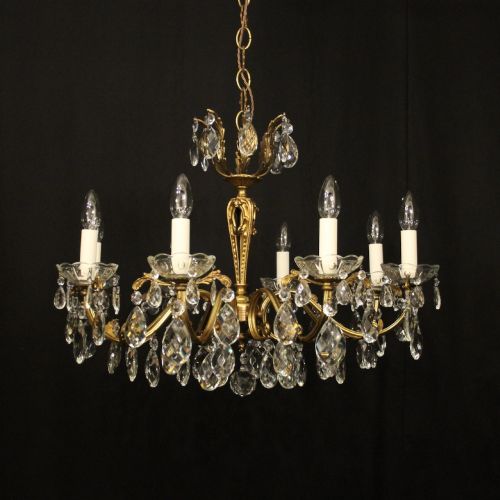
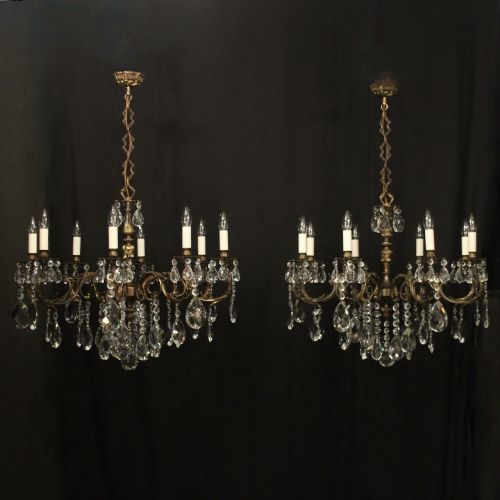
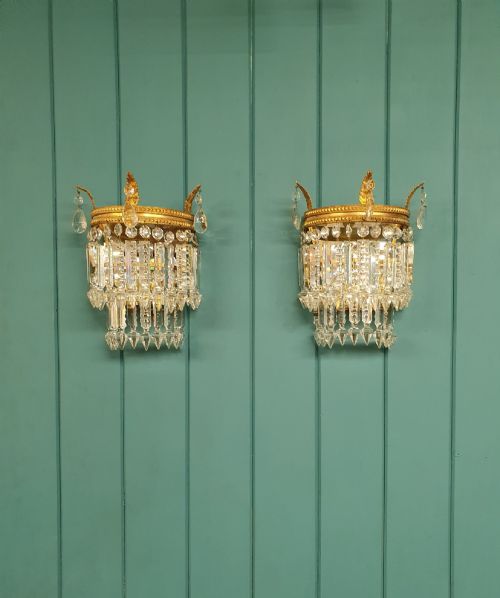
When you search for glass and bronze lights, you encounter fixtures that bridge illumination and sculpture, spanning periods from the nineteenth century through the 1930s. The selection on this page leans heavily toward French chandeliers, hall lanterns, wall lights, and table lamps reflecting styles such as Art Deco, French Empire, and Louis Revival.
Chandeliers and hall lanterns dominate the offerings, often pairing gilded bronze or brass with cut crystal drops and frosted glass elements. These pieces originate primarily from nineteenth-century workshops and early twentieth-century French production, bringing formal lighting forms into domestic interiors.
How they were made
Makers constructed these fixtures using cast bronze, ormolu, and brass for the structural frames, mounting arms, and decorative mounts. Metal casting often involved the lost-wax method or sand casting, followed by manual chasing and gilding to enrich the surface texture.
Glass components combined lead crystal, cut glass, and frosted or slip-moulded panels. Workers shaped the glass by blowing, pressing, or cutting facets to refract light from multiple internal bulbs or candles.
Glass and Bronze Lights Retail Price Guide 2026
Typical asking prices for glass and bronze lights among the pieces listed under this phrase on Sellingantiques today, from the lower quarter to the upper quarter. They describe what is for sale here now, not the wider market.
Materials recorded on this page include gilt bronze, ormolu, brass, cut crystal, and frosted glass.
What varies in quality
Quality rests in the crispness of the bronze casting and the depth of the metal chasing. Superior examples display sharply defined acanthus leaves, crisp mounts, and heavy, well-balanced frames that maintain structural integrity across multiple light branches.
The clarity and cut of the crystal or glass elements also determine the tier of the piece. Hand-cut crystal pendants with sharp facets and heavy lead content scatter light differently than pressed or mould-made glass, while original gilding beats secondary surface treatments.
Charles Schneider·Degué
The Glass and Bronze Lights Glossary
- Ormolu
- Gilt bronze produced by applying a finely ground high-carat gold-mercury amalgam to a bronze object before firing. This historic French technique produces a warm, durable metallic finish.
- Plafonnier
- A ceiling-mounted bowl or dome light, usually in glass, set flush or close to the ceiling. Art Deco designers utilised this form extensively for ambient room illumination.
- Tent and waterfall
- A chandelier configuration where strings of crystal beads form an upper triangular tent dropping down to a circular ring, with cascading drops below. It maximises light refraction across large reception rooms.
- Slip shade
- A moulded frosted glass shade that slots directly into the metal arms of a ceiling light or wall sconce. These are typical of 1930s Art Deco lighting design.
- Hall lantern
- An enclosed hanging light designed for entrances and corridors, often featuring convex glass panels within a bronze or brass frame.
Glass and Bronze Lights: Frequently Asked Questions
How do I hang a heavy chandelier safely?
Large bronze and crystal fixtures require direct attachment to ceiling joists using an appropriate steel hook or bracket capable of supporting the total weight. Electricians should inspect the internal wiring of antique fixtures before ceiling installation.
Weight distribution matters because multi-arm chandeliers exert downward pull and rotational torque. Professional installation ensures the ceiling structure bears the load securely without straining historic metal mounts.
What rooms suit a hall lantern?
Hall lanterns work well in narrow entryways, stairwells, and high-ceilinged corridors where vertical space allows a suspended fixture. Their enclosed glass sides protect the interior from drafts and dust.
These lanterns also function effectively in small reception rooms or landings where a full chandelier would overwhelm the floor area. Their directional light distribution suits transitional spaces.
How do I clean cut crystal drops?
Clean crystal components in place using a specialist spray cleaner and a soft cloth, or remove them individually for washing in warm soapy water. Rinsing with distilled water prevents mineral spotting on the glass surface.
Avoid immersing historic metal frames in liquid cleaning solutions, as moisture damages aged gilding and patinated bronze. Dry all crystal thoroughly before rehanging.
How do I date a bronze light fixture?
Dating relies on stylistic markers, construction methods, and materials such as nineteenth-century ormolu casting versus 1930s Art Deco slip shades. Maker signatures etched into glass shades or stamped onto bronze frames provide precise chronological reference points.
Fastening types, wiring access points, and screw threads also indicate the manufacturing era. Comparing decorative motifs like Louis Revival swags against geometric Art Deco lines clarifies the period.