


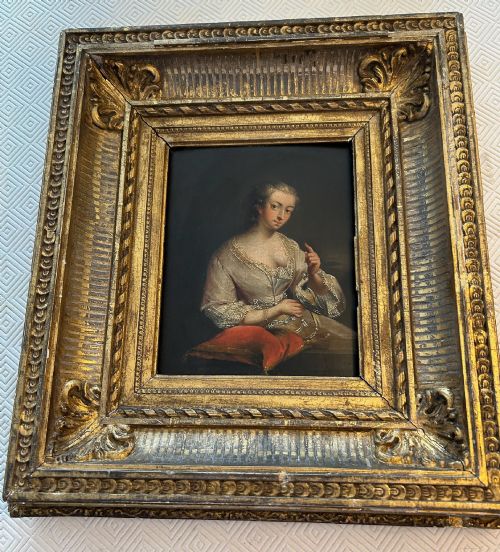


Giltwood Wall Panels
Giltwood wall panels bring warmth and reflection to a room, combining carved timber, gilding and integrated artwork into a single architectural statement.
Giltwood Wall Panels
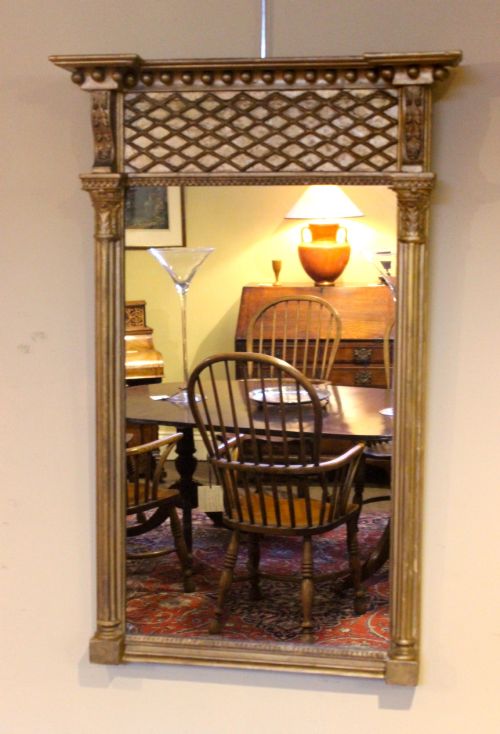
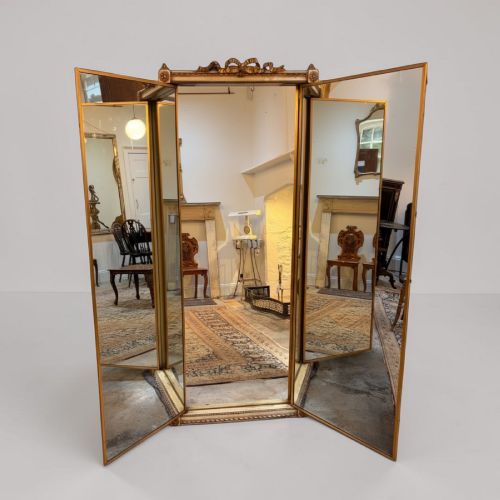
When you search for giltwood wall panels, you are looking at items designed to integrate into interior architecture, often combining mirrors or paintings within gilded wooden frames. These pieces bridge the gap between furniture and architectural joinery, serving as permanent or semi-permanent decorative wall fixtures.
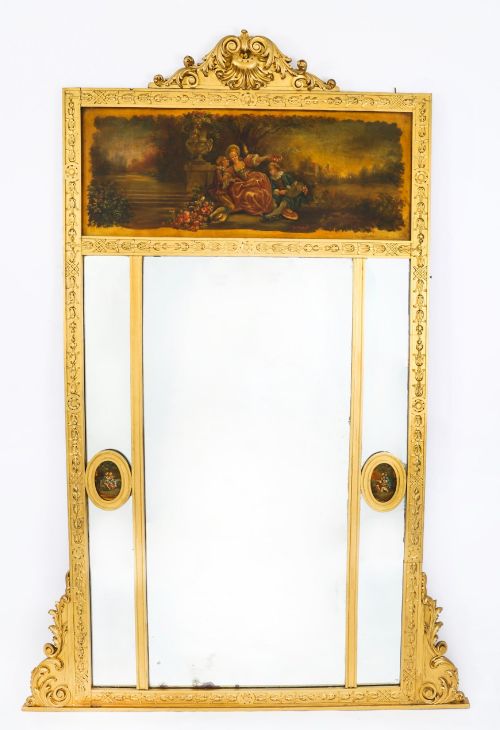
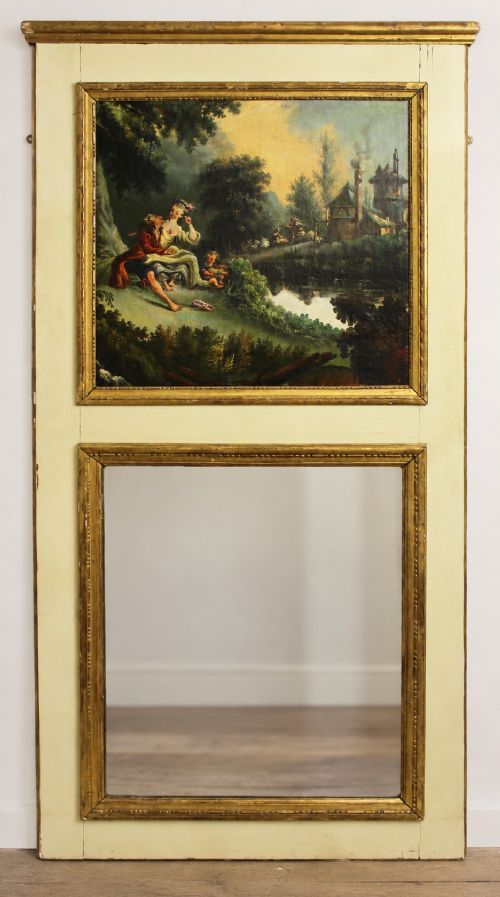
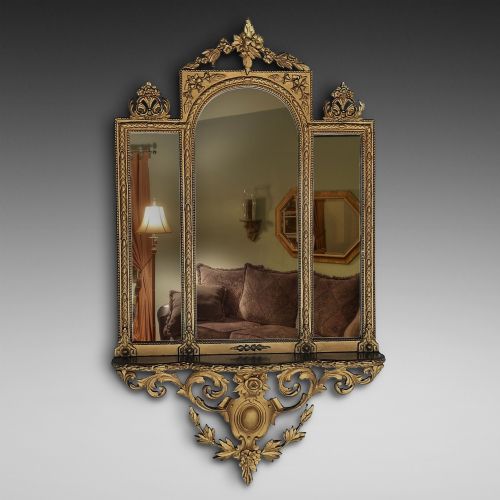
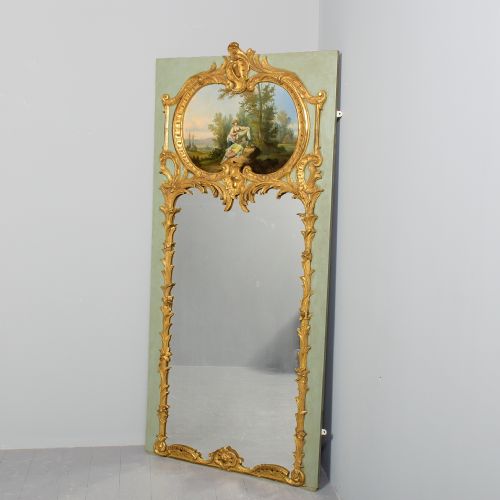
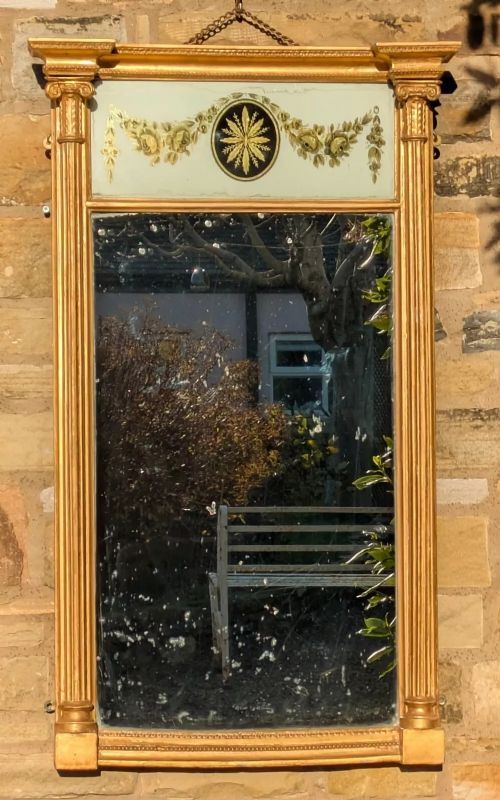
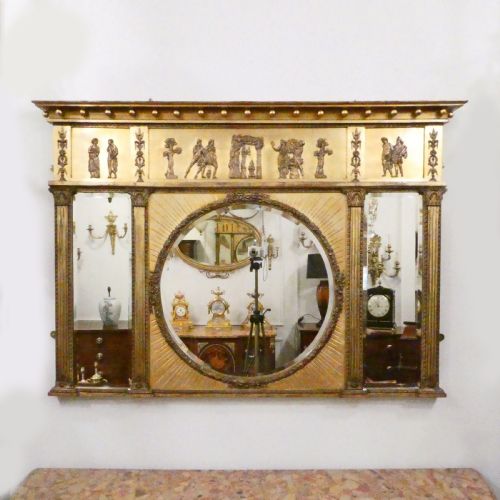
On this page, you are most likely to meet trumeau mirrors and overmantel panels dating from the Regency, Victorian and later nineteenth-century periods. These frequently incorporate painted panels, verre eglomise sections or oil paintings above the looking glass, reflecting French and British interior traditions.
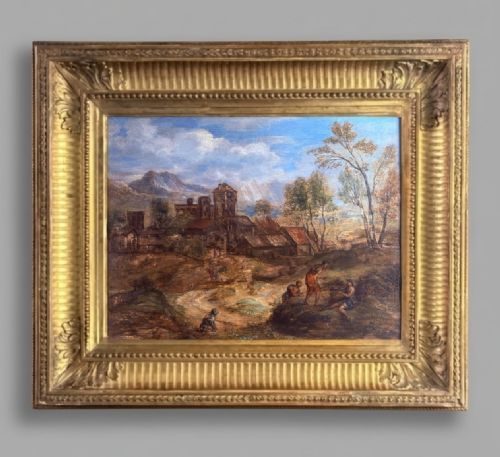
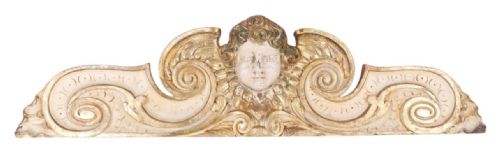
The assortment also includes carved wooden over-door panels, temple panels and framed canvas artworks set within gilt surrounds. Each variation reflects the historic domestic requirement for decorative vertical surfaces that bounce light and elevate the scale of a reception room.
Materials and Construction
Makers shaped the structural elements from wood, often pine or oak for larger panels and softer timbers for intricate carvings. Gesso was then applied in layers to provide a smooth ground for subsequent gilding with gold leaf.
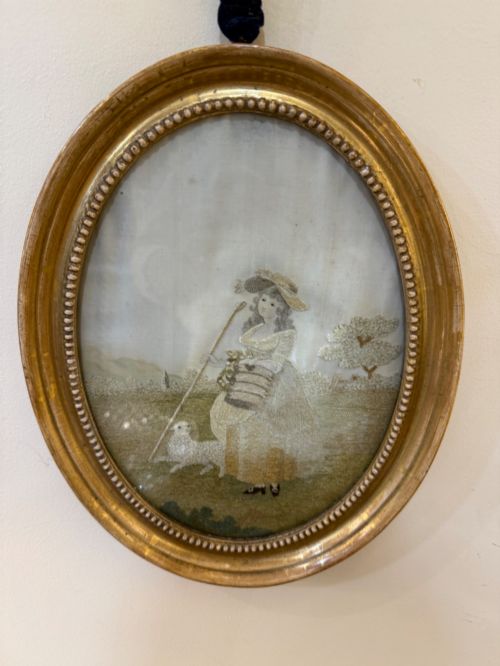
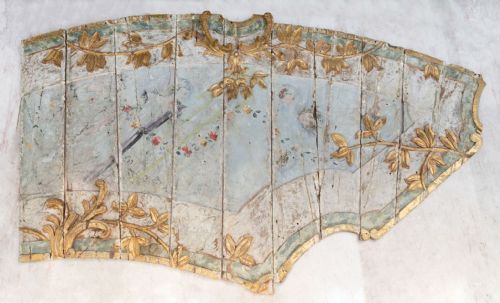
Surfaces were frequently embellished with painted elements, including oil paintings on canvas or panel, verre eglomise glass panels and silk needlework pictures. Mirror glass, when present, was held within rebates and secured with wooden backs.
Giltwood Wall Panels Retail Price Guide 2026
Typical asking prices for giltwood wall panels among the pieces listed under this phrase on Sellingantiques today, from the lower quarter to the upper quarter. They describe what is for sale here now, not the wider market.
Selected mirrors incorporate charming details such as carved squirrels and Ho Ho birds peering out from the gilt foliage.
Assessing Quality
Quality rests primarily in the crispness of the carved detail and the depth of the gilding. Hand-carved wooden ornaments show clean undercuts and subtle asymmetries, whereas mass-produced composition ornament tends to appear blunt and uniform.
The integration of the secondary element - whether an oil painting, a needlework picture or a verre eglomise panel - dictates the overall artistic merit. Cohesion between the frame carver and the artist marks the distinction between standard domestic joinery and high-status interior decoration.
The Giltwood Wall Panels Glossary
- Trumeau
- A decorative wall panel, often incorporating a mirror below an oil painting or carved relief. This French form was designed to fit the space between windows or above a mantelpiece.
- Verre Eglomise
- A cold-decoration technique where gilt and pigment are applied to the reverse of glass. It provides a lustrous, reflective panel frequently seen in Regency pier glasses.
- Gesso
- A plaster-like mixture applied to wood frames to create a smooth surface for gilding. Its thickness determines how deeply carvers could tool the final ornamental details.
- Pier Glass
- A tall, narrow mirror designed to hang on the wall pier between windows. These pieces often feature integrated consoles or decorative apron panels.
- Overmantel
- A large mirror or panel specifically proportioned to hang above a fireplace mantel. They commonly utilise triple plate glass or wide horizontal formats.
Giltwood Wall Panels: Frequently Asked Questions
Where were these panels hung originally?
They were typically mounted in principal reception rooms, positioned between tall windows to maximise natural light or placed directly above the fireplace mantel. Their scale and reflectivity made them central elements of the room's decorative scheme.
In grander townhouses and country estates, matching sets contributed to a unified architectural aesthetic across the entire interior space.
How do I hang a heavy giltwood panel?
Due to their substantial wooden and glass construction, these pieces require professional wall fixings secured directly into studs or masonry. Weight is often distributed across multiple fixing points along the upper frame.
Consulting a specialist art installer ensures the structural integrity of the wall and the safety of the antique.
What is a trumeau mirror?
A trumeau is an architectural wall panel that combines a looking glass with an upper decorative section, usually an oil painting or carved wooden relief. Originating in French interior design, they served to break up large expanses of wall.
They function simultaneously as artwork and mirror, making them versatile focal points for modern interiors.
Can I clean the gilded surface?
Giltwood requires delicate maintenance using only a soft, dry brush to remove dust. Moisture and chemical cleaners can dissolve water-gilding and damage historic gesso grounds.
Professional conservation is recommended for any deeper cleaning or stabilization of the gilded surface.