

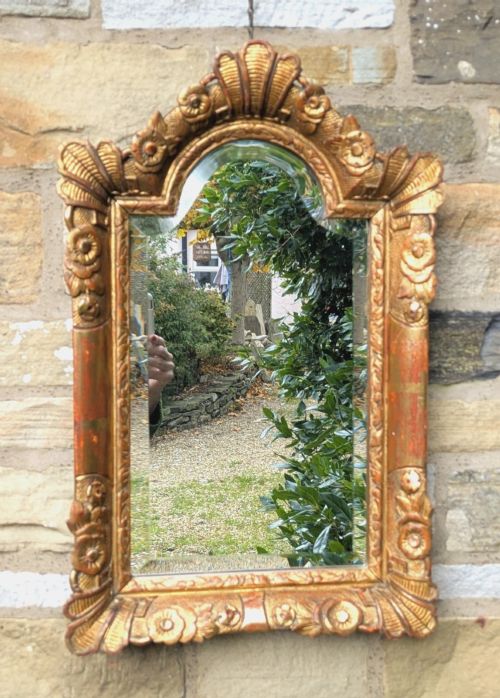
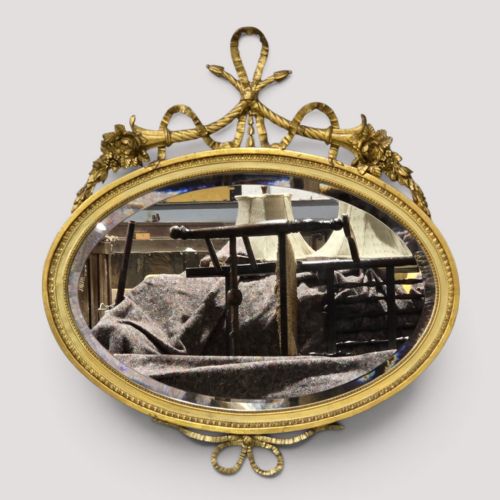
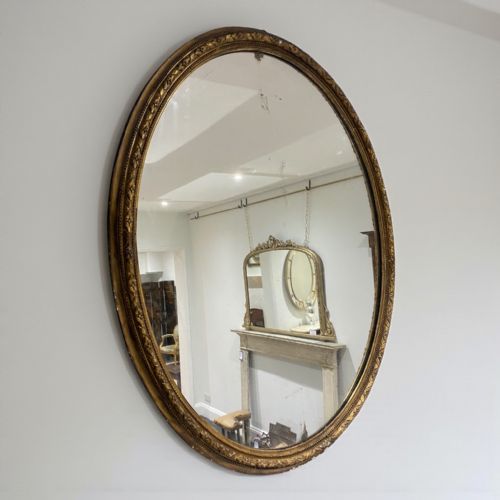
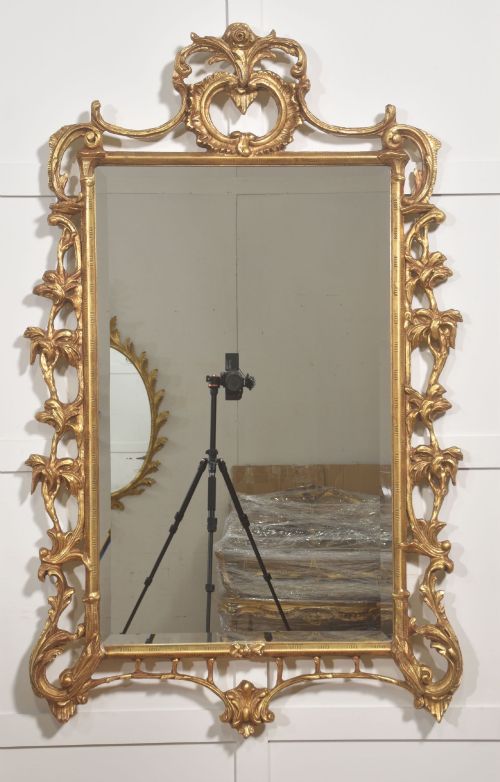
Giltwood Wall Hanging
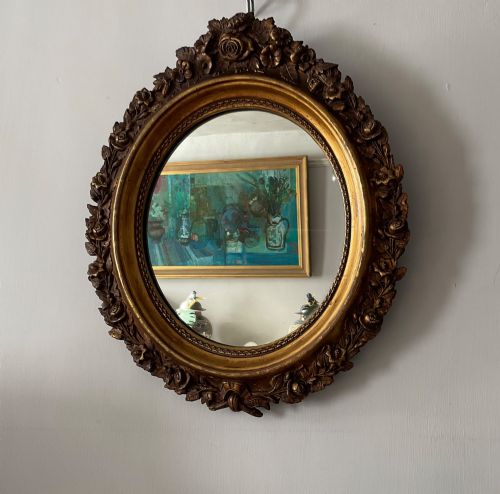
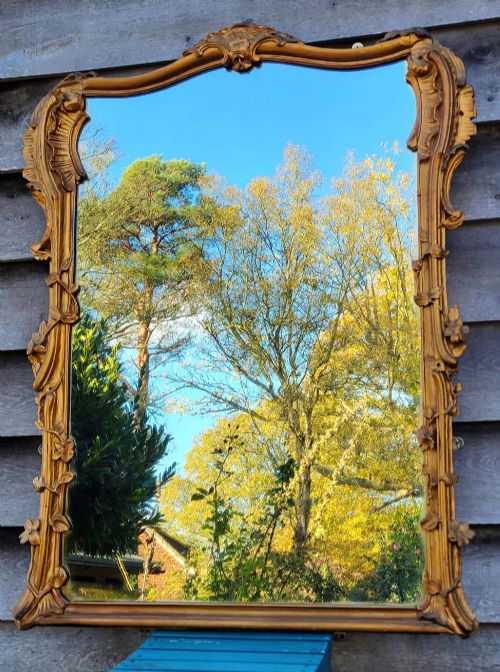
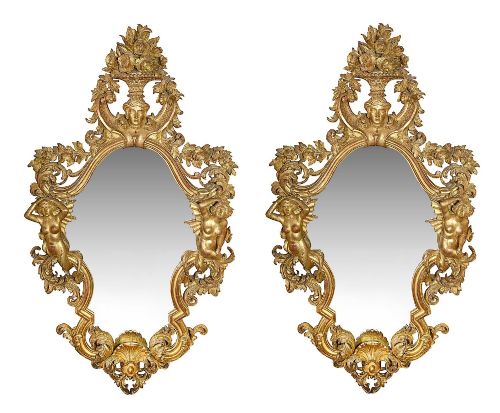
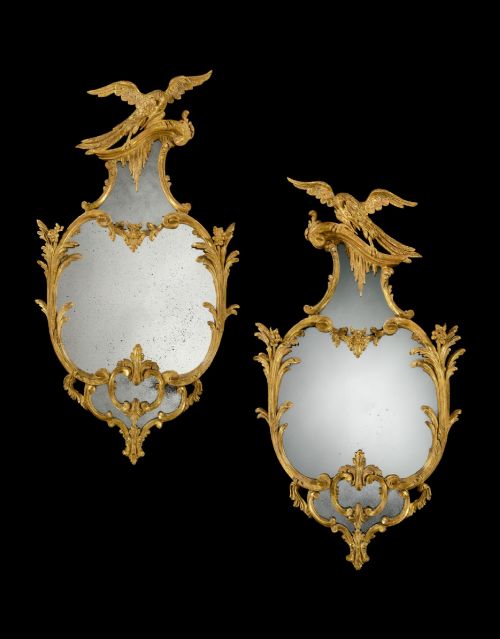
These giltwood wall hanging pieces bring warmth and reflected light to a room through carved surfaces and gold leaf.
Giltwood Wall Hanging
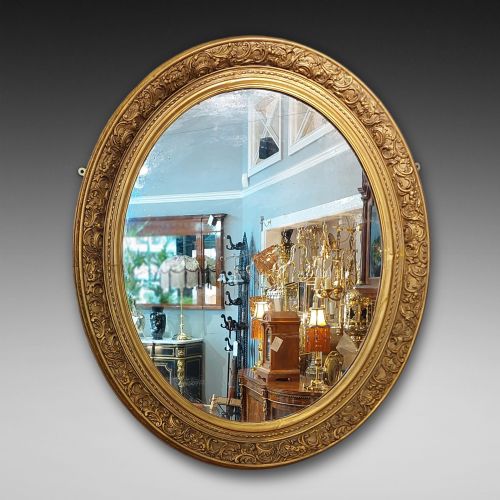
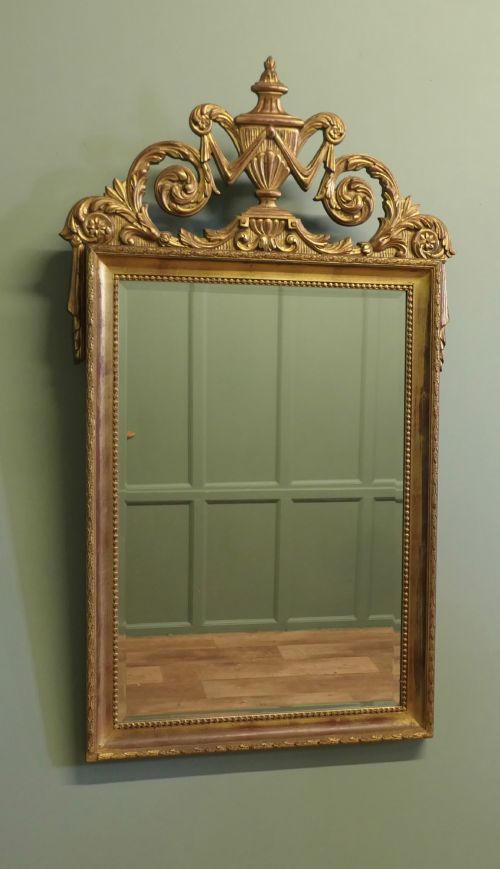
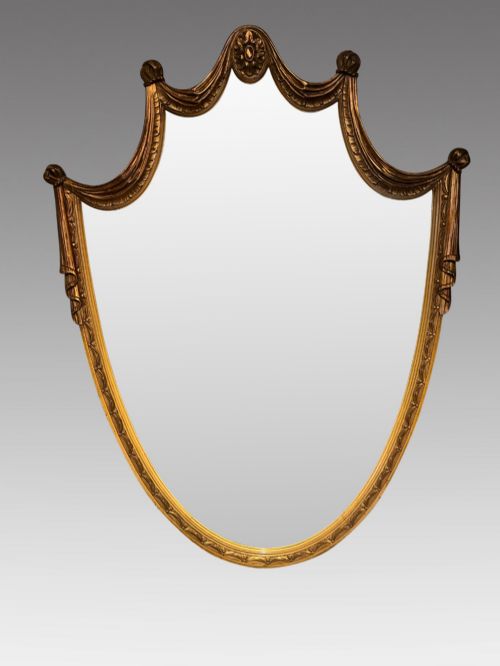
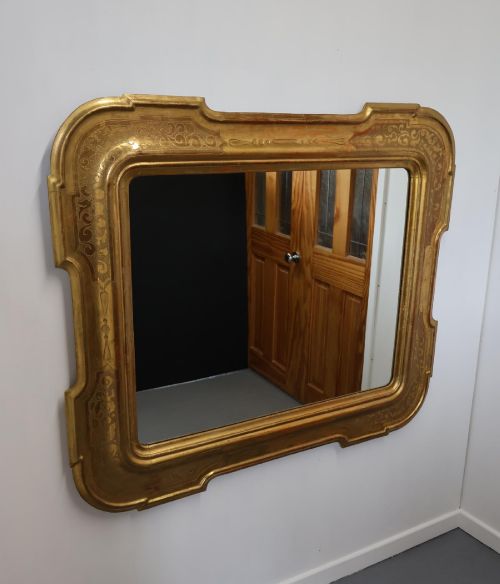
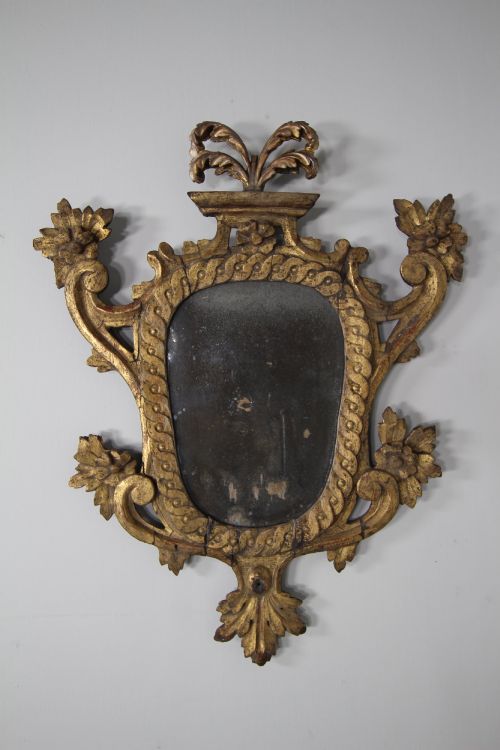
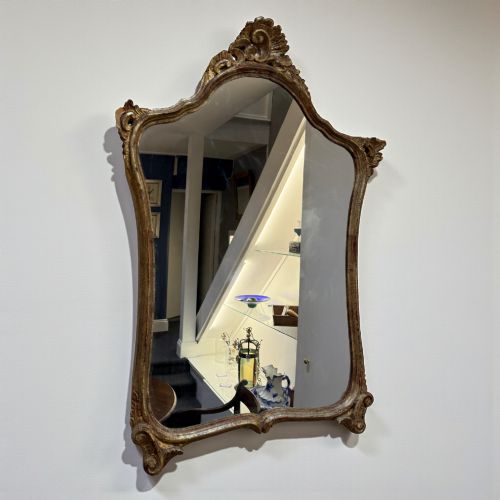
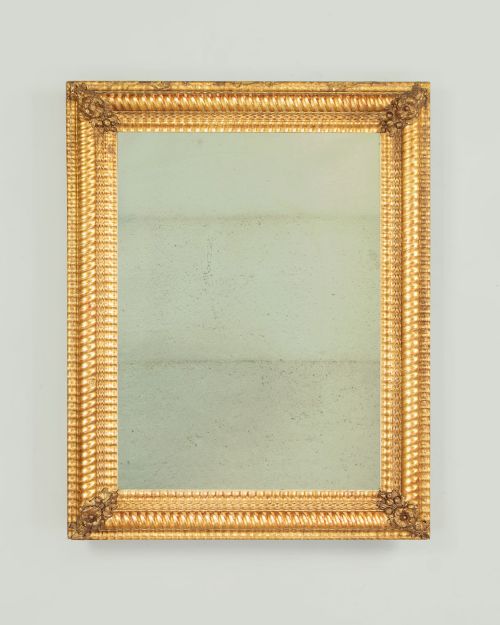
A giltwood wall hanging most commonly takes the form of a mirror, spanning shapes from simple ovals to grand overmantles. You will frequently encounter nineteenth century examples, alongside earlier eighteenth century Georgian and Rococo pieces.
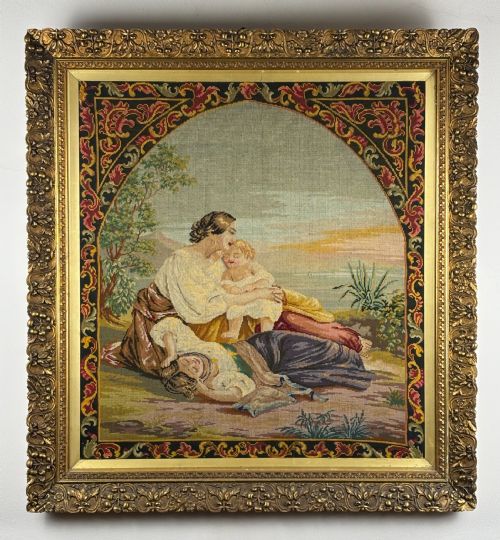
The selection also includes related furnishings such as corner shelves and console tables designed to mount upon a wall. These objects utilise carved wood frames finished in gold to create a focal point in a room.
Origin varies between English workshops and French ateliers, bringing distinct regional character to the carved ornamentation. Styles range from restrained Adam Revival designs to elaborate Rococo Revival motifs.
Materials and construction methods
Frames start as a wooden base, often carved directly from timber or shaped using composition and gesso layers to build up intricate relief details. Artisans then apply thin sheets of gold leaf over a prepared surface.
Mirror glass is set within these frames, sometimes retaining original plates with natural foxing or replaced with new glass. Silver-gilt variations also appear, combining silver and gold applications for distinct colour tones.
Giltwood Wall Hanging Retail Price Guide 2026
Typical asking prices for giltwood wall hanging among the pieces listed under this phrase on Sellingantiques today, from the lower quarter to the upper quarter. They describe what is for sale here now, not the wider market.
Materials recorded across the inventory include carved wood, gesso, composition, glass, and gold leaf.
Assessing quality in carved frames
Quality rests upon the depth and crispness of the hand carving rather than the mere presence of gold finish. Superior examples show lively floral, mask, or mythological carvings with sharp relief that retains definition beneath the gilding.
The integrity of the underlying gesso and wood structure dictates durability. Better pieces maintain their original joinery and surface preparation without excessive flaking or clumsy later repairs to the carved elements.
The Giltwood Wall Hanging Glossary
- Giltwood
- Timber coated with gold leaf or powder. This finish provides a luminous surface that catches natural light in a room.
- Gesso
- A plaster-like mixture applied to wood frames. Artisans carve and mould this layer to create detailed ornamental reliefs before gilding.
- Composition
- A moulded material made from whiting, resin, and glue. It is pressed into ornamental shapes for faster decoration on picture and mirror frames.
- Overmantle
- A large mirror designed to hang above a fireplace mantelpiece. These pieces often feature wide proportions to match the width of the hearth.
- Pier mirror
- A tall mirror made to hang on the wall space between windows. They reflect additional light into darker sections of a period room.
Giltwood Wall Hanging: Frequently Asked Questions
How do I hang a heavy antique mirror safely?
Use heavy-duty fixings secured directly into wall studs or masonry rather than relying on standard picture hooks. Distribute the weight across two robust brackets to protect the original frame joints.
Ensure the hanging wire or integrated mirror rings are structurally sound before lifting the piece into position.
Should I replace original mirror glass?
Original glass showing foxing and age spots is generally preferred by collectors for the authentic character it brings. Replacement is typically reserved for instances where the glass is broken or visibility is entirely obscured.
New glass creates a clearer reflection but alters the historic integrity of the object.
How do I clean a giltwood frame?
Dust the surface gently with a soft, dry artist brush or ostrich feather duster to remove loose particles. Avoid liquid cleaners, damp cloths, and chemical sprays, which strip the delicate gold leaf.
Water can dissolve the underlying gesso and cause the historic surface to lift away from the wood.
How do I identify Regency style frames?
Regency frames often incorporate classical motifs, architectural lines, and bolder proportions influenced by ancient Greek and Roman design. They frequently feature ebony reeding, convex glass plates, or simpler geometric arrangements.
These details distinguish them from the more asymmetrical and exuberant curves of earlier Rococo pieces.