


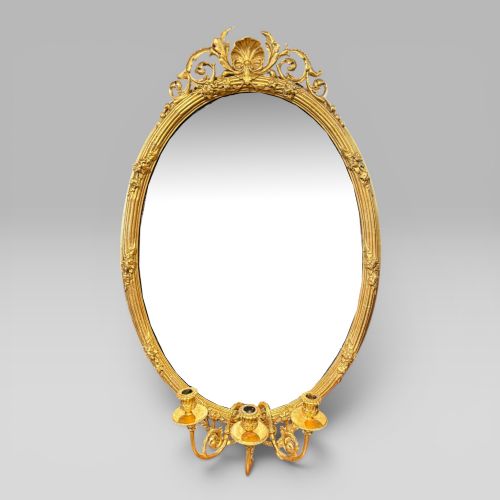
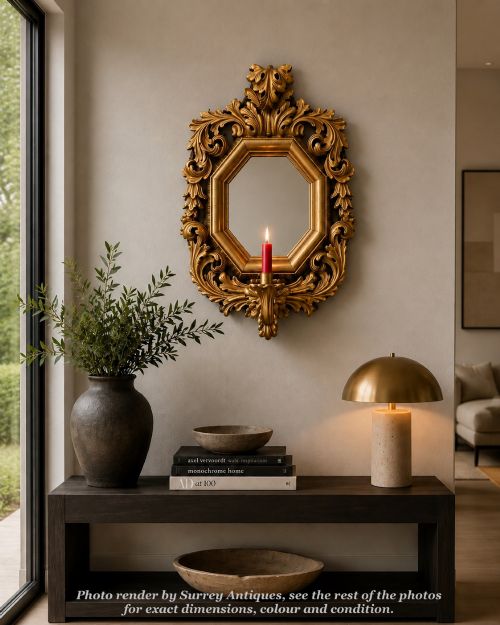

Giltwood Wall Girandole
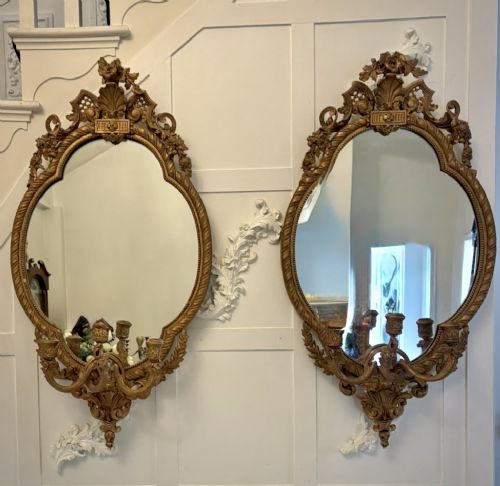
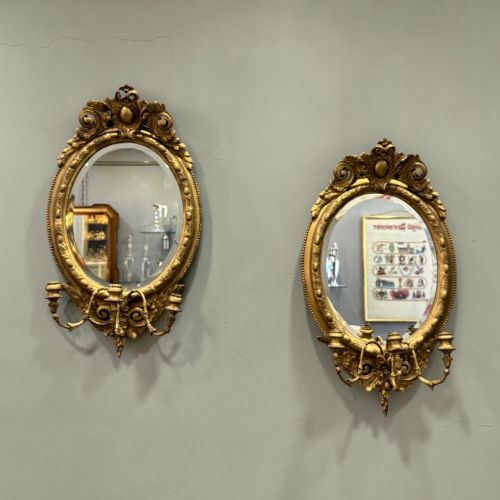
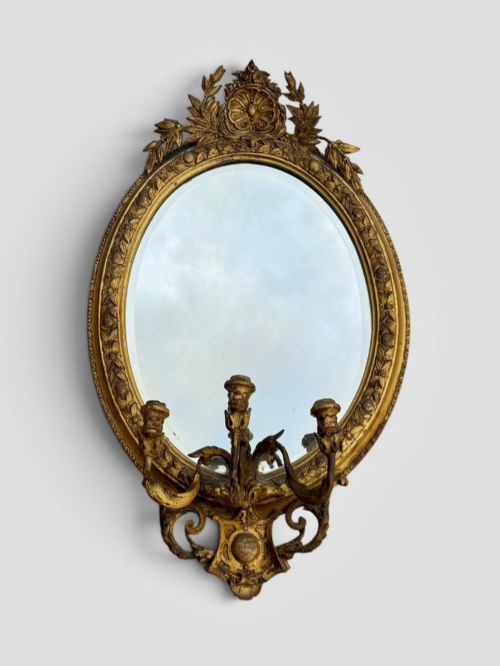
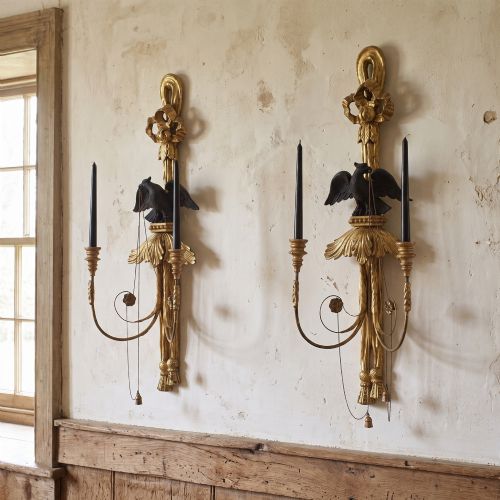
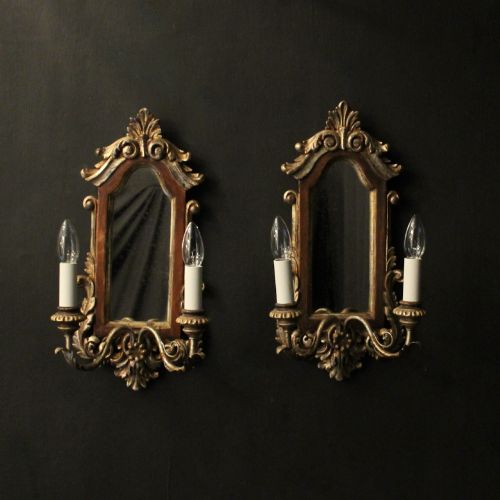
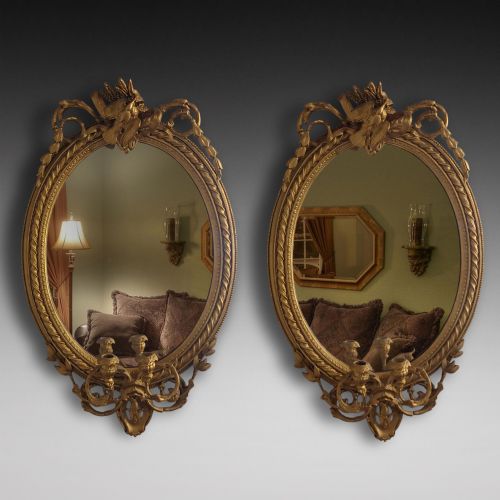
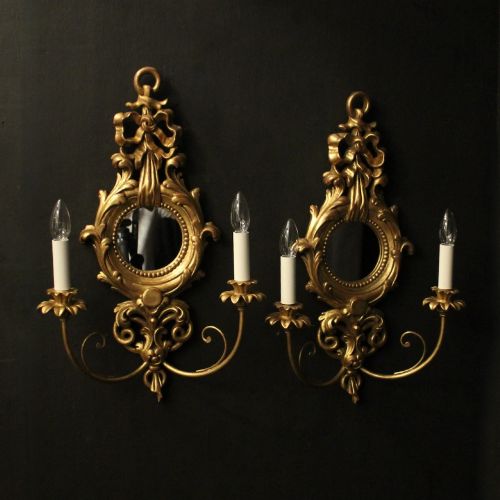
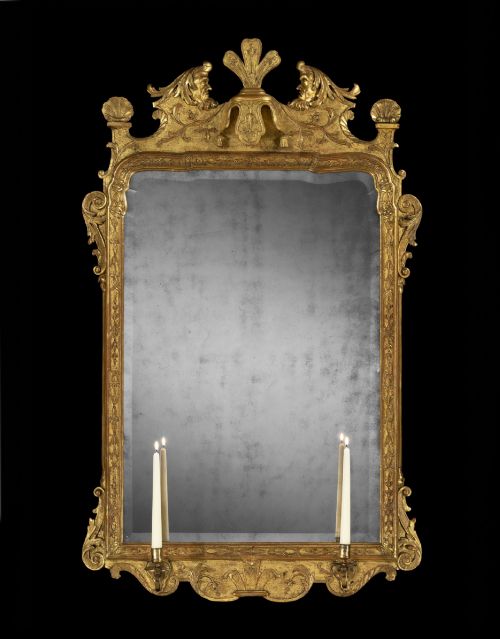
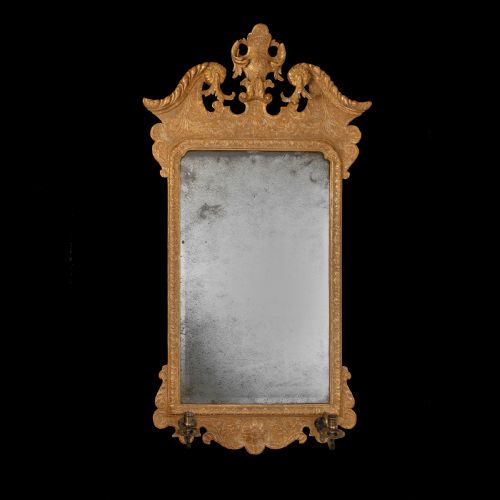
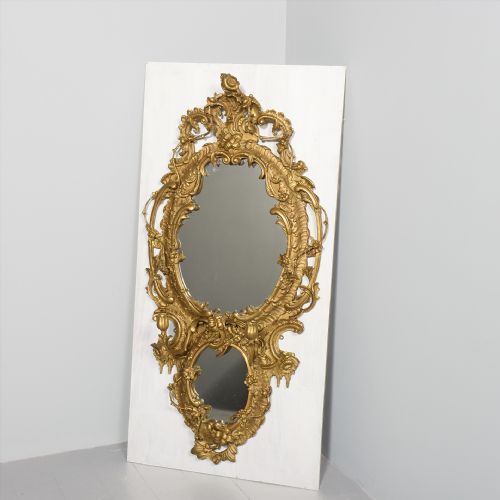
These giltwood wall girandole pieces combine reflective glass with candle arms, bringing functional illumination and decorative presence to a room.
Giltwood Wall Girandole
A giltwood wall girandole functions primarily as a wall-mounted mirror equipped with integrated candle sconces, designed to amplify light within a space. When searching for a giltwood wall girandole, buyers encounter various historical iterations spanning from the eighteenth century to the twentieth century.
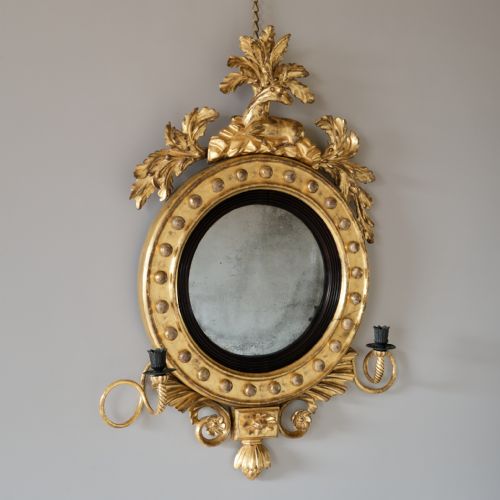
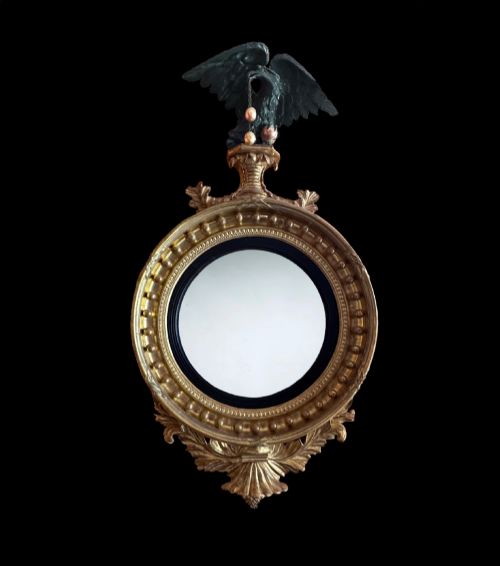
The selection frequently includes Regency convex mirrors alongside Victorian and later revivals. Many examples appear in pairs, showcasing carved wooden frames finished with gold leaf or paint.
Forms range from compact circular convex glasses to larger pier mirrors and twin-arm sconces originating from English, French, and Italian workshops.
How they were made
Craftsmen built the underlying structure using wood, frequently applying a layer of gesso to carve intricate surface details and relief motifs before gilding. Metal components often reinforce the candle arms and structural joints.
Mirrored glass panels, sometimes convex to provide a wide-angle reflection of the interior, are set securely within the gilded wooden rebated frames.
Giltwood Wall Girandole Retail Price Guide 2026
Typical asking prices for giltwood wall girandole among the pieces listed under this phrase on Sellingantiques today, from the lower quarter to the upper quarter. They describe what is for sale here now, not the wider market.
Listings feature materials including giltwood, gesso, brass, ebonised wood, and mirror glass across periods from the eighteenth century to the twentieth century.
What varies in quality
The depth, sharpness, and undercut precision of the hand-carved wooden ornament define the artistic merit of the piece. Crisp foliage, defined eagle crests, and well-proportioned girandole arms indicate superior craftsmanship.
The integrity of the original gilt surface and the preservation of the mirror plate, whether flat or convex, dictate the overall condition and visual impact.
Benjamin Goodison
The Giltwood Wall Girandole Glossary
- Giltwood
- Wood that has been coated with gold leaf or gold paint. This finish provides a bright, reflective surface characteristic of formal antique mirrors.
- Gesso
- A plaster-like mixture applied to wood frames. Artisans carve and mould this substance to create ornate decorative details before applying gilding.
- Girandole
- A branched wall sconce holding candles, typically incorporating a mirror. The reflective glass multiplies the candlelight within the room.
- Convex mirror
- A spherical mirror that curves outward, providing a distorted panoramic reflection of the surrounding space. These are common in Regency designs.
- Pier mirror
- A tall mirror designed to hang on the wall between windows. They often feature attached candle arms and lower consoles.
Giltwood Wall Girandole: Frequently Asked Questions
How do I hang a heavy girandole?
These pieces require secure wall anchor fixings suited to the weight of the carved wood and glass. Professional installation into structural studs or masonry is standard practice.
Position the mirror at eye level to ensure the integrated candle arms and reflective glass function correctly within the room layout.
Were the candle arms used for real candles?
The brass or wooden arms held lit wax candles to supplement room lighting. The reflection from the glass helped scatter the light.
Modern owners generally avoid burning candles on antique arms to prevent heat damage to the fragile gilt surface and old wood.
How do I date a convex mirror?
Stylistic details such as carved eagle crests, ball-stud borders, and ebonised bezels indicate specific periods like the Regency era. Frame construction and the composition of the gesso provide further clues.
Examining the backing boards and the silvering on the mirror glass helps confirm the age of the piece.
How do I clean a giltwood frame?
Dust the carved surfaces gently with a soft, dry brush or feather duster. Moisture and cleaning chemicals strip the delicate gold leaf.
Professional conservators handle repairs to damaged gesso or flaking gilding to preserve the historical surface of the piece.