

Giltwood Portrait Frames
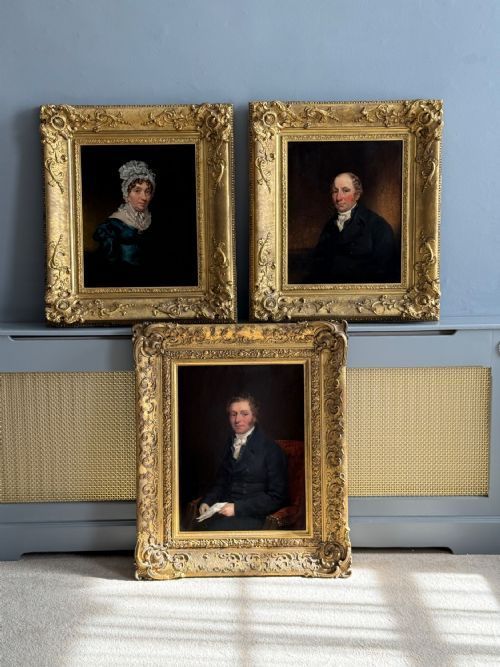
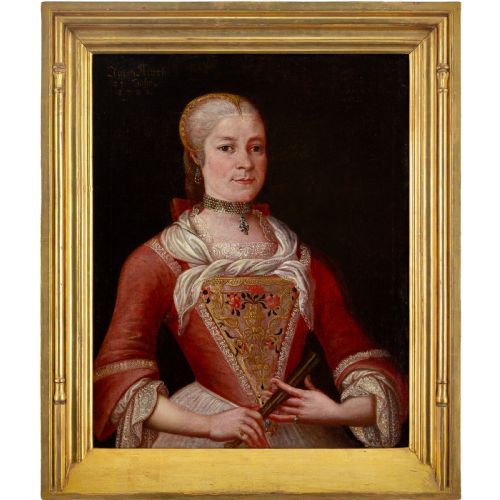
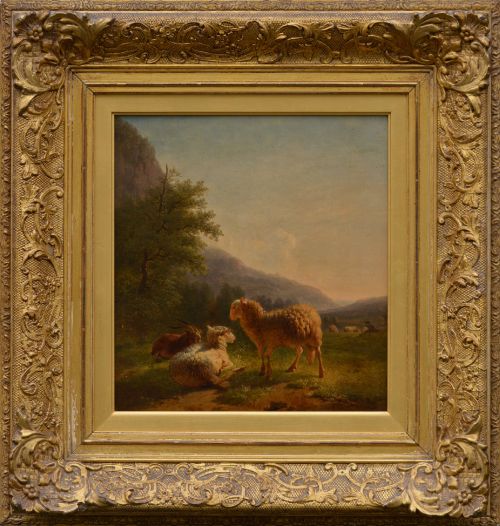
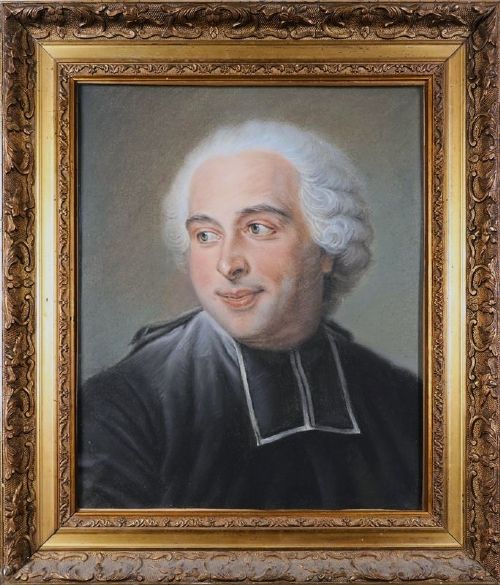
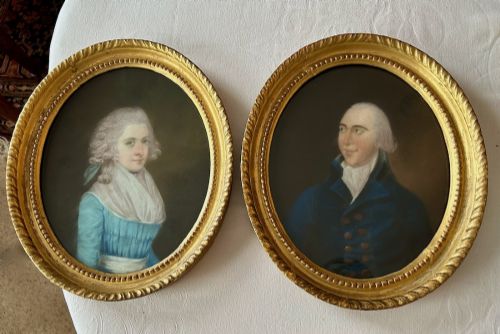
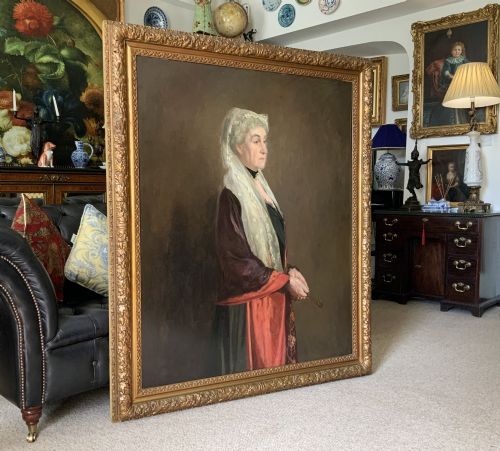
Giltwood portrait frames surround historical likenesses in gleaming carved gold leaf.
Giltwood Portrait Frames
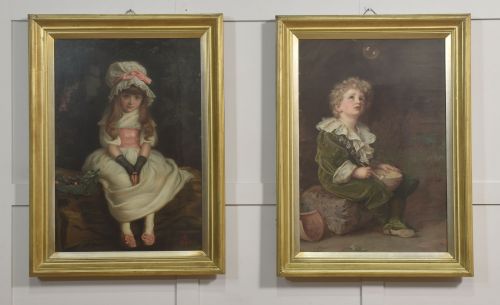
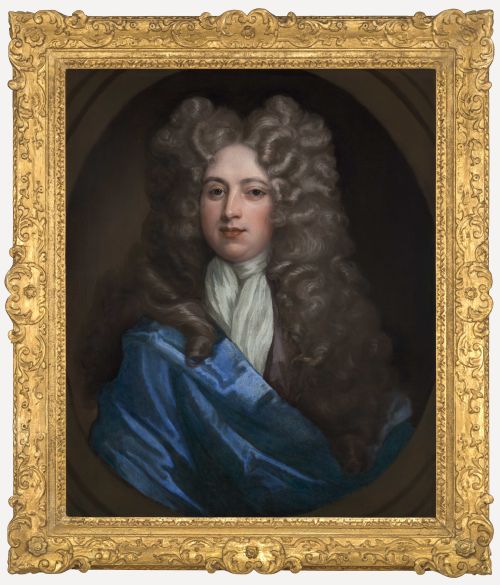
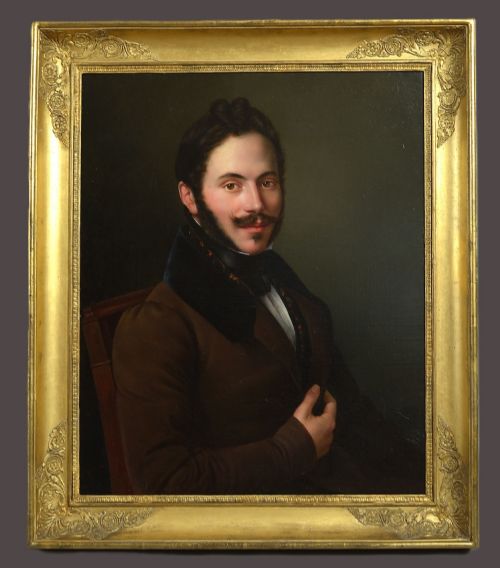
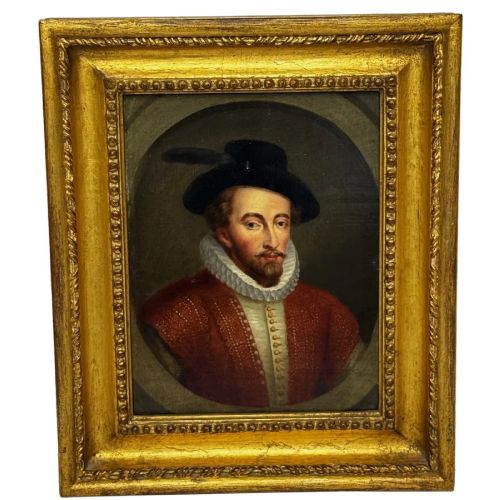
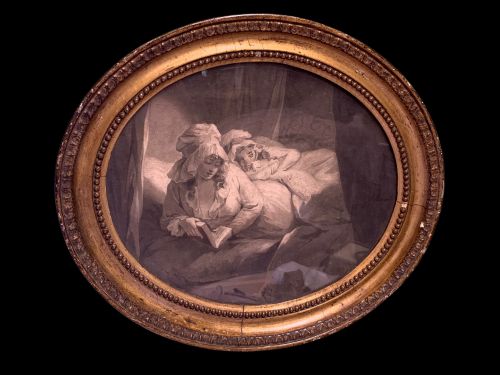
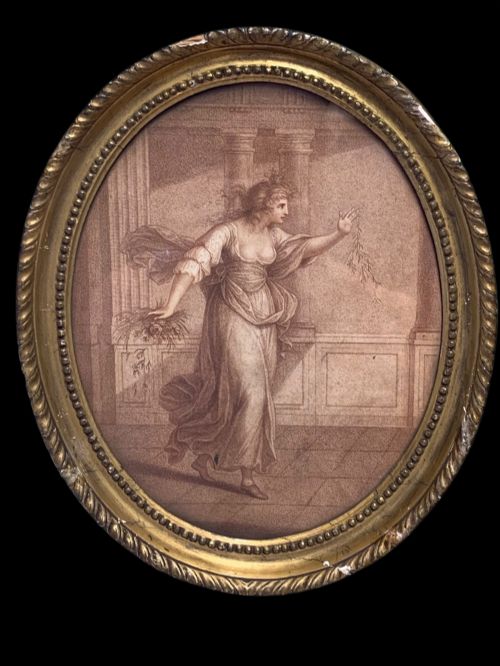
Giltwood portrait frames house historical oil paintings, pastels, and engravings across multiple centuries. Buyers encounter these decorative borders framing subjects ranging from 17th-century nobility to 19th-century figures.
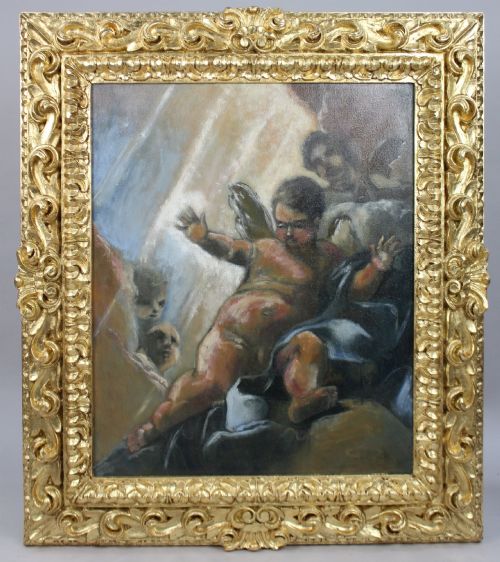
The selection includes pieces spanning the Georgian, Victorian, and Baroque eras. Many examples unite period portraiture directly with contemporary carved wooden surrounds.
Survivals on this page incorporate media such as oil on canvas, glass, and paper within ornate perimeters. These objects function simultaneously as housing for fine art and as standalone decorative wall pieces.
Materials and Craftsmanship
Carvers built these objects using wooden foundations shaped into linear or oval profiles. Artisans applied layers of gesso to the timber base to create a smooth preparatory ground for subsequent decoration.
Workers then gilded the prepared surfaces using thin sheets of gold leaf. This metallic layer provided the luminous finish characteristic of the style.
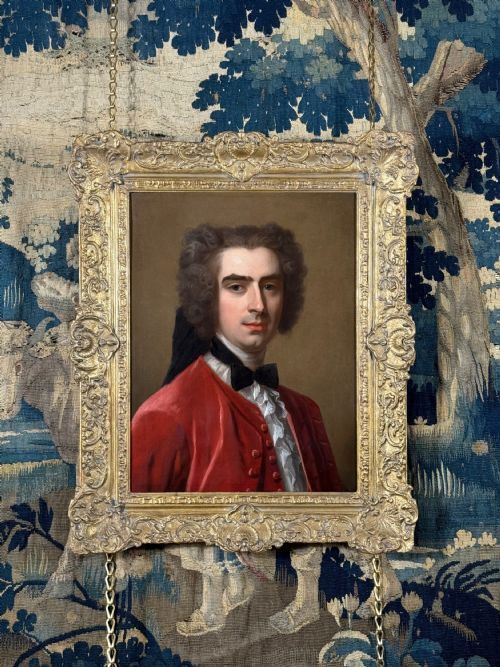
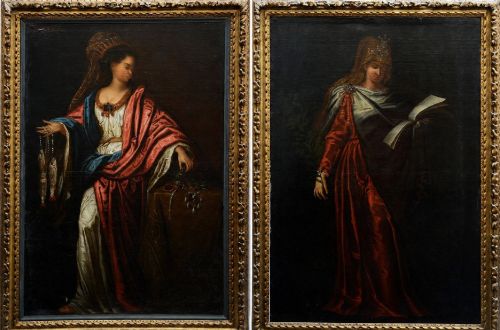
Periwigs and scarlet jackets peer out from these golden borders, watching modern rooms with stern seventeenth-century gaze.
Assessing Quality
Depth and crispness distinguish superior carving from simpler execution. Master carvers achieved intricate relief work in wood and gesso that retains sharp definition.
The integrity of the original gold leaf surface dictates the visual impact of the piece. Preservation of the primary gilding layer separates untouched examples from heavily restored counterparts.
Eugène Verboeckhoven·Jean-Baptiste van Loo·Thomas Murray·Edouard Pingret·Nicolaes Maes
The Giltwood Portrait Frames Glossary
- Giltwood
- Wood that has been coated with gold leaf or gold paint. This technique creates a brilliant reflective surface on decorative mouldings.
- Gesso
- A plaster mixture applied to wood frames to prepare the surface for gilding. It provides a smooth base for intricate carved details.
- Baroque
- An artistic style characterised by ornate detail and dramatic forms. Frames from this period often display exuberant, heavy ornamentation.
- Pastel
- A medium consisting of powdered pigment bound into a stick for drawing. Works created in this medium frequently require protective glass and specialised framing.
- Stipple engraving
- A printmaking technique using dots to create tonal gradations. These works often appear in period domestic interiors.
Giltwood Portrait Frames: Frequently Asked Questions
How do I hang a heavy antique frame safely?
Heavy carved surrounds require robust fixings attached directly to structural wall studs. Professional mirror and picture hangers use steel wire or heavy-duty brackets rated for the specific weight.
Securing the piece properly prevents accidental slipping from the wall. Ensure the hanging hardware on the frame itself remains firmly anchored into the wooden corners.
Can I replace the painting inside an antique frame?
Original artworks and their surrounds often form a unified historical package. Altering the contents can diminish the contextual integrity of the piece.
Collectors generally prefer keeping the original canvas or print together with its housing. Replacing elements requires careful measurement of the rebate depth.
How should I clean gilded wood surfaces?
Dust accumulation requires only a soft, dry artist brush or feathered duster. Moisture and chemical cleaners damage fragile gold leaf layers.
Aggressive rubbing strips the metallic application away from the gesso base. Professional conservators handle deep cleaning when oxidation occurs.
What indicates an 18th-century origin?
Eighteenth-century construction relies on hand-carved timber elements assembled with traditional joinery. The gesso beneath the gold leaf tends to show historical cracking patterns known as craquelure.
Backboards and fixings on genuine period examples display age-related patina. Machine-cut wood components usually point to later production dates.