




Giltwood Parcel Mirror
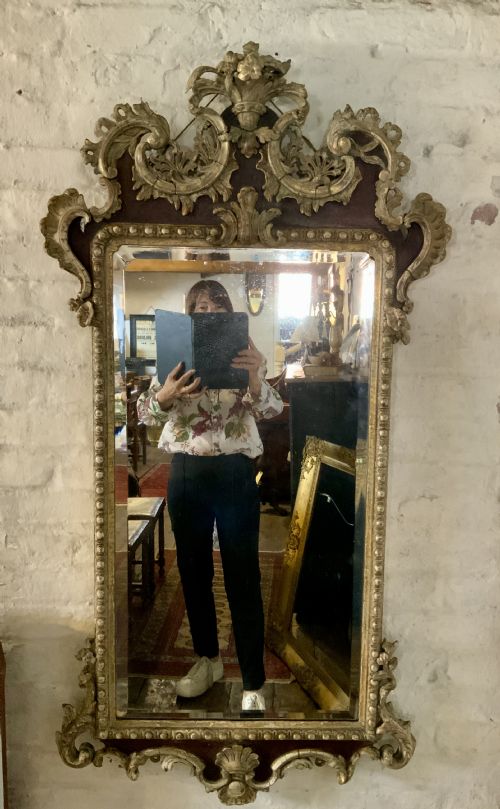
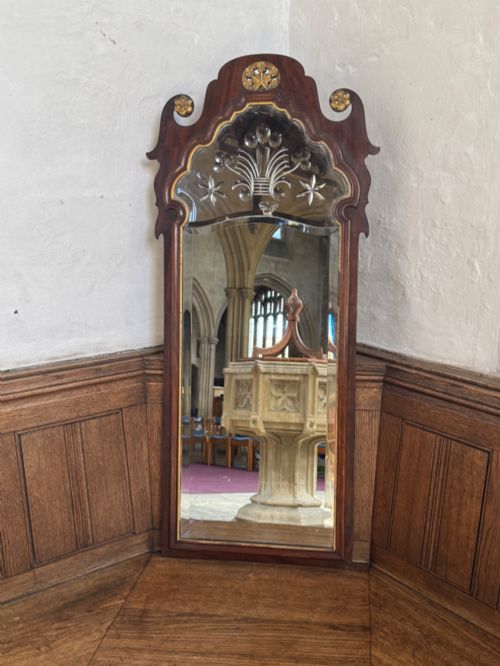
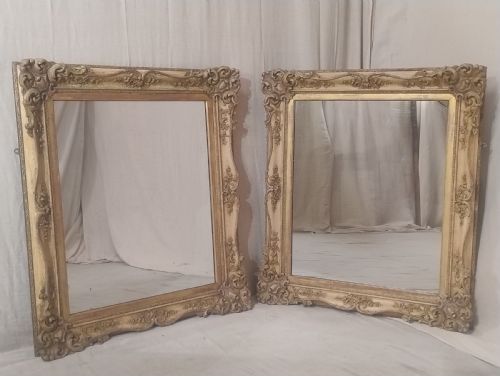
A giltwood parcel mirror brings warmth and reflective light to a room through gilded highlights set against wood.
Giltwood Parcel Mirror
When you search for a giltwood parcel mirror, you encounter wall-hung and pier glasses designed to catch and multiply the daylight in a formal interior. These pieces use partial gilding to accent specific carved details while leaving the primary timber grain visible beneath.
The most frequent examples on this page date from the eighteenth and nineteenth centuries, spanning Georgian and Victorian revivals. Walnut and mahogany form the primary wooden bodies, often shaped with fretwork frames or architectural pediments.
Forms range from compact dressing mirrors and narrow pier mirrors to large overmantel frames and console sets. Wall mirrors dominate the selection, offering substantial decorative presence for principal reception rooms.
How they were made
Maker's workshops built these frames using solid hardwoods like walnut, mahogany, and ebonised timber, sometimes applying burr veneers over pine or secondary woods. Carvers shaped the intricate outlines, fretwork scrolls, and mouldings directly into the timber.
Gesso layers provided a smooth foundation for the application of gold leaf to the highlighted portions of the carving. Silver and gold leaf finishes were burnished by hand to achieve the contrasting metallic sheen characteristic of parcel-gilt decoration.
One mirror carries the lasting marks of an eighteenth-century Welsh workshop, having survived centuries of room redecorating while keeping its original untouched surface.
What varies in quality
The depth and crispness of the hand-carving determine the sculptural distinction of the frame. Skilled carvers produced crisp foliage, scrolls, and fretwork that held sharp relief, whereas lesser examples rely on shallower profiling and simpler stamped composition ornament.
The preservation of the original gilt and wood surfaces dictates the integrity of the piece. Surviving surfaces retain the gentle tonal softening of age, while over-gilding or heavy restoration alters the original relationship between the exposed timber and the gold leaf.
The Giltwood Parcel Mirror Glossary
- Parcel gilt
- Woodwork decorated with gold leaf applied only to specific carved details rather than the entire surface. This technique allows the grain of walnut or mahogany to remain visible alongside the gilt accents.
- Pier glass
- A tall, narrow mirror traditionally hung on the expanse of wall between two windows. These pieces often sat above low console tables or pier tables to maximise light distribution.
- Fretwork
- Openwork patterns cut into thin boards of wood using a saw, commonly seen along the scrolling borders of Georgian mirrors. The technique creates lightweight yet intricate decorative silhouettes.
- Gesso
- A mixture of chalk, gypsum, and size applied to wood to create a smooth base for gilding. It fills microscopic pores in the timber so the gold leaf adheres evenly.
- Trumeau
- A decorative wall mirror combined with a painted panel or carved artwork above the glass. Originating in France, these pieces served as permanent architectural fittings within panelled rooms.
Giltwood Parcel Mirror: Frequently Asked Questions
Where should I hang a pier mirror?
A pier mirror traditionally hangs in the narrow wall space between two windows to reflect natural light back into the centre of the room. Placing it above a console table creates a balanced focal point in an entrance hall or drawing room.
Ensure the wall fixings are secured directly into masonry or studs to support the substantial weight of the timber and glass frame safely.
How can I tell a Georgian mirror from a Victorian revival?
Georgian mirrors typically display the lighter timber constructions and hand-cut fretwork characteristic of eighteenth-century joinery. The timber backing boards and hand-beveled glass plates provide physical clues to their period of origin.
Victorian revival pieces often feature heavier proportions, machine-cut elements, or denser secondary woods beneath the gilt and ebonised finishes. Examining the construction joints and nail types helps clarify the exact date of manufacture.
What is an overmantel mirror used for?
An overmantel mirror is designed specifically to hang on the wall directly above a fireplace mantelpiece. Its horizontal proportions reflect the warmth of the hearth and brighten the main living space.
These pieces often coordinate with the architectural scale of chimney breasts and high ceilings in period properties.