



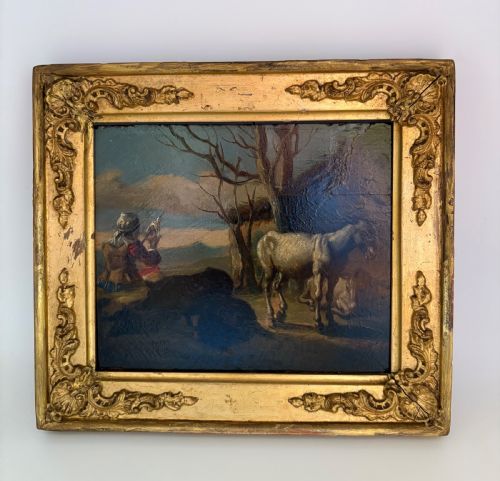
Giltwood Painted Panels
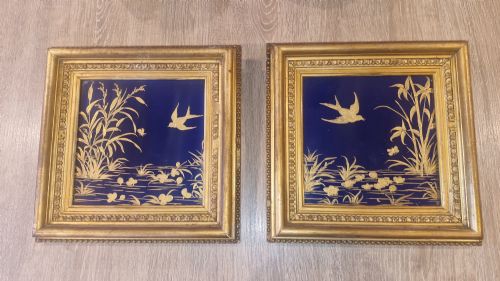
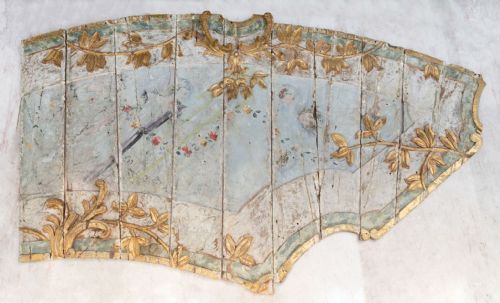
Giltwood painted panels combine carved, gilded timber with figurative oil painting or verre églomisé, bringing classical richness and architectural presence to a room.
Giltwood Painted Panels
When you search for giltwood painted panels, you encounter a mix of wall mirrors, trumeau mirrors, architectural fragments, and oil paintings on panel framed in giltwood. These pieces emerge primarily from the seventeenth, eighteenth, and nineteenth centuries.
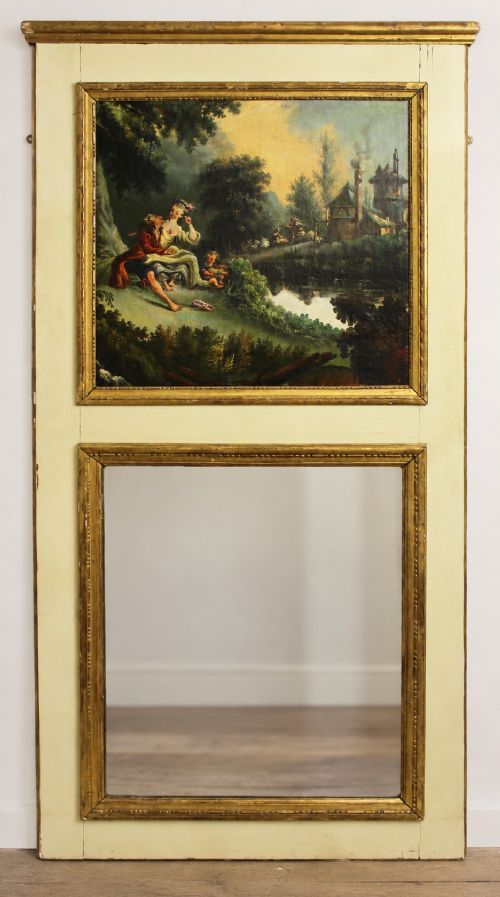
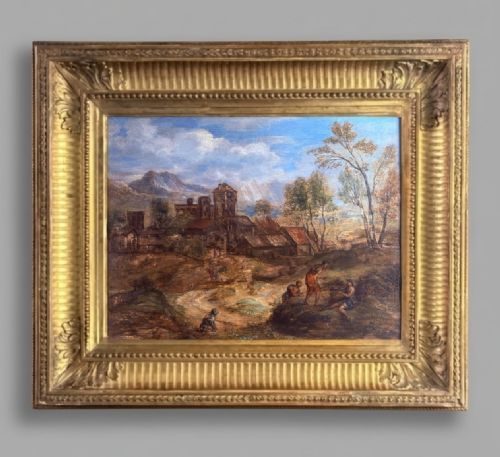
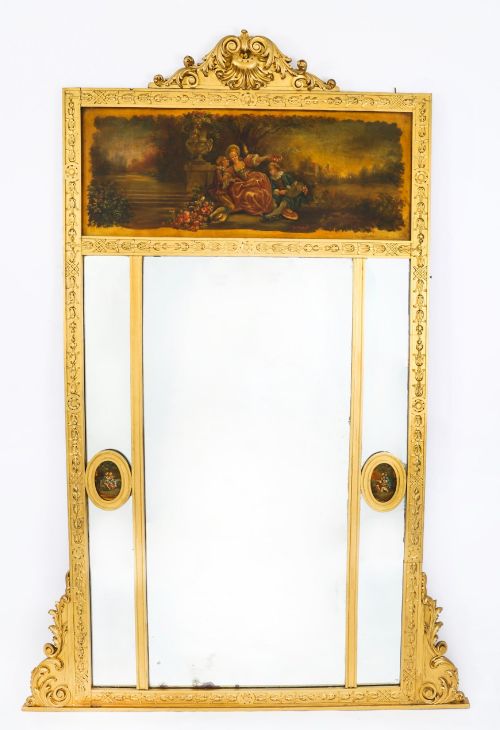
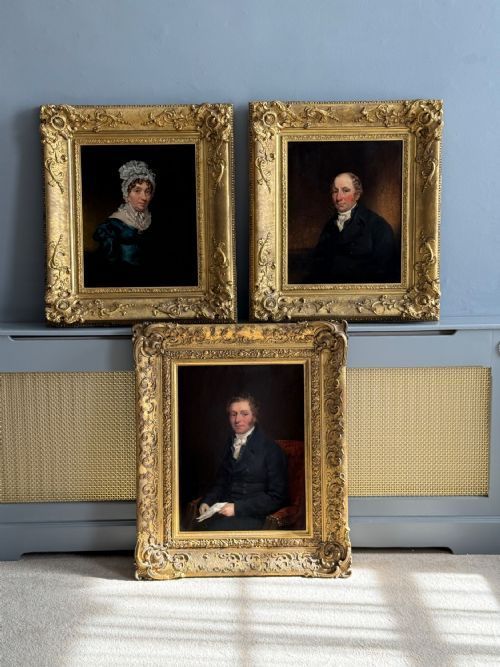
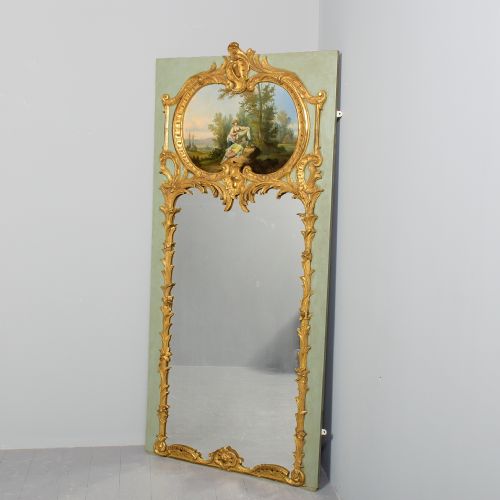
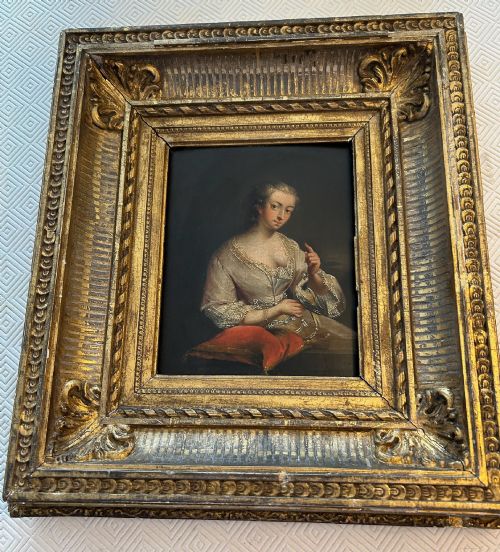
The most common form on this page is the French trumeau mirror, which pairs a looking glass with an oil painting set into the carved wooden surround. Alongside these are standalone oil paintings on panel and canvas housed in deep gilt frames.
Geographic origins span British, French, and Italian workshops, reflecting styles such as Regency, French Empire, Italian Baroque, and French Rococo. Buyers select these items to anchor a room with period texture and classical proportion.
Materials and Construction
The primary structure relies on wood, oak, or canvas, serving as the support for oil paint, verre églomisé, or gesso. Artisans built up decorative relief motifs in gesso upon wooden foundations before applying gold leaf.
Giltwood elements combine applied gold leaf with carved timber, creating reflective surfaces that frame the painted panels. Oil paint and reverse-painted glass, known as verre églomisé, provide the pictorial details within the architectural surrounds.
Giltwood Painted Panels Retail Price Guide 2026
Typical asking prices for giltwood painted panels among the pieces listed under this phrase on Sellingantiques today, from the lower quarter to the upper quarter. They describe what is for sale here now, not the wider market.
Listings feature oil paintings on wood panel and canvas alongside carved giltwood mirrors spanning the seventeenth to the twentieth centuries.
Judging Quality
Quality rests upon the crispness of the carved giltwood and gesso relief work, alongside the fineness of the brushwork in the associated oil painting or eglomise panel. Finer examples display harmonious integration between the frame and the pictorial art.
Condition of the gold leaf and the stability of the wood panel determine the integrity of the piece. Superior items retain their original gilding and primary painted surface without extensive intervention.
Joseph Clover RA·Pieter Cornelis Dommersen·Philipp Peter Roos·Paul Sormani·Balthasar Denner
The Giltwood Painted Panels Glossary
- Trumeau
- A decorative wall panel or pier glass featuring an integrated painting or mirror plate. It typically occupies the space between windows or above a fireplace.
- Verre églomisé
- A process of cold painting and gilding on the reverse side of glass. This technique produces a reflective, metallic sheen used in decorative mirror panels.
- Gesso
- A plaster-like mixture applied to wood frames to create a smooth surface for gilding. It allows carvers to form crisp, three-dimensional relief details.
- Giltwood
- Timber coated with gold leaf or metallic powder. It provides a bright, reflective finish characteristic of formal period furniture and frames.
Giltwood Painted Panels: Frequently Asked Questions
What is a trumeau mirror?
A trumeau mirror combines a vertical glass mirror plate with a decorative painted panel or carving set into a wooden frame. They were designed to hang on piers between windows or over mantelpieces.
These pieces served both a decorative and practical purpose in period interiors, reflecting light while introducing classical artwork into wall panelling.
How do I care for giltwood frames?
Giltwood requires careful handling because gold leaf is thin and sensitive to moisture and abrasion. Dusting should be done gently with a dry, soft brush.
Avoid using liquid cleaners or chemical polishes, as these can strip the gold leaf or damage the underlying gesso preparation.
What is verre églomisé?
Verre églomisé is a technique where artists paint and gild on the reverse side of a glass panel. This protects the medium from damage while creating a deep, reflective surface.
It appears frequently in Regency pier glasses and trumeau panels to frame the upper section above the mirror glass.
Where were these panels hung?
These pieces hung in formal reception rooms, salons, and parlours of grand houses. They were proportioned to fit specific architectural wall spaces.
Over-door panels and trumeau mirrors brought symmetry and a sense of expanded space to period interiors.