




Giltwood Framed Needlepoint
These giltwood framed needlepoint pieces combine tactile textile art with gilded frames, offering a refined wall display for traditional interiors.
Giltwood Framed Needlepoint
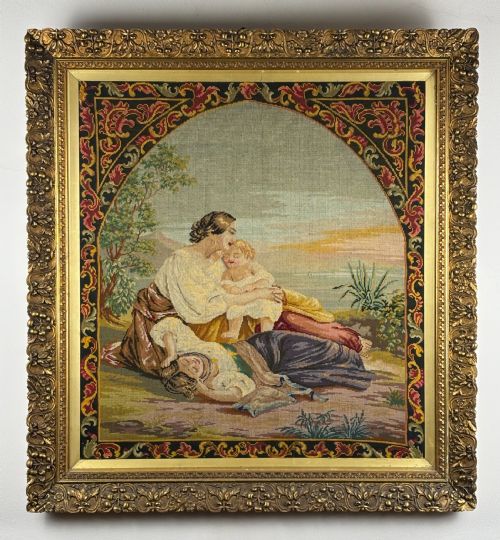
A giltwood framed needlepoint brings together intricate stitched panels and ornate wooden surrounds. These wall art pieces range from large Victorian Berlin needlepoints and Regency silk work to Italian portrait panels and tapestries.
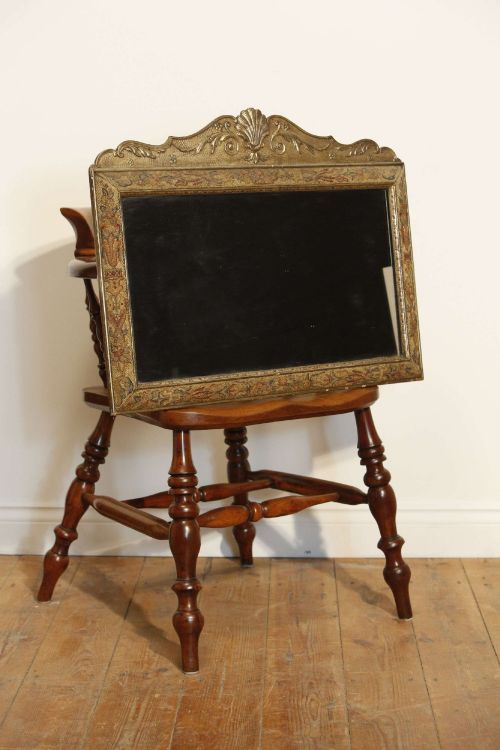
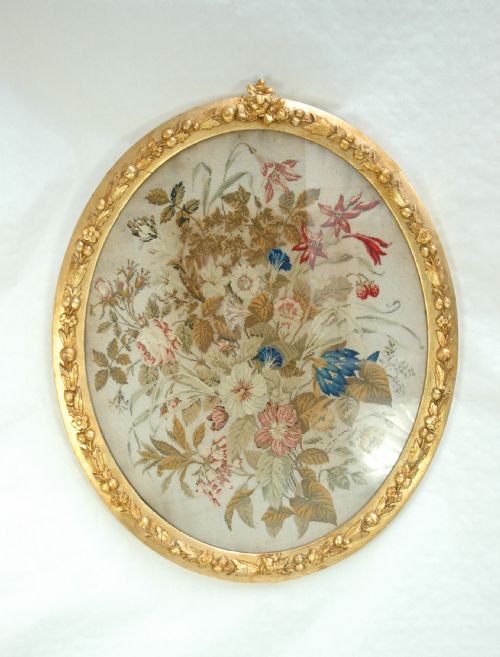
The assortment includes diverse forms such as long stitch silk pictures, framed tapestries, oval tapestry pictures, and even a tapestry combined with a wall mirror. Continental examples and Georgian pieces sit alongside Victorian and Regency items, reflecting various historical periods.
Buyers exploring giltwood framed needlepoint will encounter items spanning the eighteenth, nineteenth, and late nineteenth centuries, housed in octagonal, rectangular, or original gilded wood frames.
How They Were Made
These works rely on textile techniques executed on canvas, utilising silk, wool, and tapestry threads to build up pictorial and patterned designs. Stitches such as long stitch and Berlin needlepoint form the textured surface of the artwork.
The supporting frames are constructed from wood and finished with a gilt surface or gilding, sometimes paired with black glass elements to enhance the visual presentation of the framed embroidery.
Giltwood Framed Needlepoint Retail Price Guide 2026
Typical asking prices for giltwood framed needlepoint among the pieces listed under this phrase on Sellingantiques today, from the lower quarter to the upper quarter. They describe what is for sale here now, not the wider market.
Listings feature periods spanning the 18th century, Georgian, Regency, Victorian, and 1880, utilising silk, wool, canvas, and glass.
What Varies in Quality
The distinction between standard and superior examples often rests on the finesse of the needlework and the preservation of the silk or wool threads. Finely worked portraits and detailed silk embroideries display greater precision in stitch placement.
Frame craftsmanship also dictates standing, with original gilt wood frames retaining their intended gilding and structural integrity showing higher fidelity to the period compared to later replacements.
The Giltwood Framed Needlepoint Glossary
- Giltwood
- Wood that has been coated with gold leaf or gilt. This finish provides a bright, reflective surface suitable for formal frames.
- Long stitch
- An embroidery technique where stitches span a greater distance across the canvas. It creates smooth blocks of colour and texture in historical needlework.
- Silk work
- Embroidery executed primarily using silk threads. These pieces often showcase a glossy finish and delicate tonal shading.
- Tapestry
- A form of textile art traditionally woven on a loom or worked by hand on canvas. It depicts figurative scenes, portraits, or decorative motifs.
Giltwood Framed Needlepoint: Frequently Asked Questions
What periods do these pieces come from?
The selection spans several centuries, including Georgian, Regency, and Victorian eras, alongside specific dates from the eighteenth and nineteenth centuries.
Each period brings distinct stylistic characteristics to both the needlework technique and the accompanying giltwood frame.
How were these framed artworks used?
These pieces served primarily as wall art and decorative wall mirrors within formal rooms of historic homes. Their elaborate frames made them focal points for interior display.
They were hung in parlours, drawing rooms, and studies to showcase domestic skill and artistic taste.
What materials make up the frames?
The frames consist of wood finished with a gilt layer, often referred to as giltwood or gilded wood. Some examples incorporate glass or black glass panels.
These materials were chosen to complement the richness of the silk and wool embroideries they enclose.