



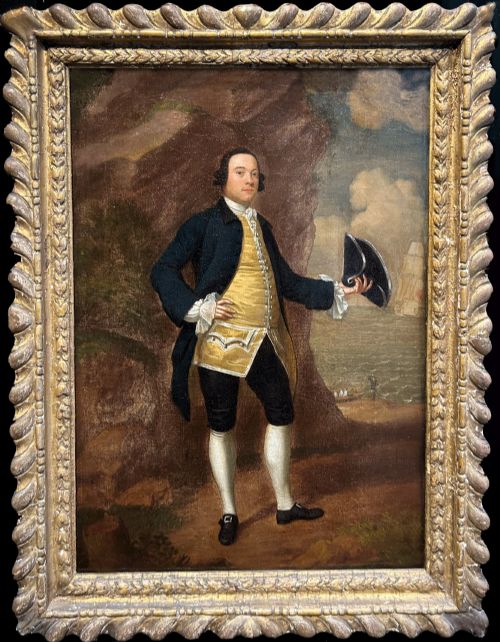
Giltwood Framed Fine Art
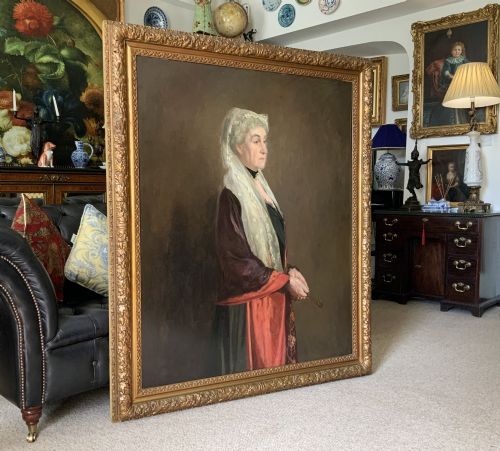
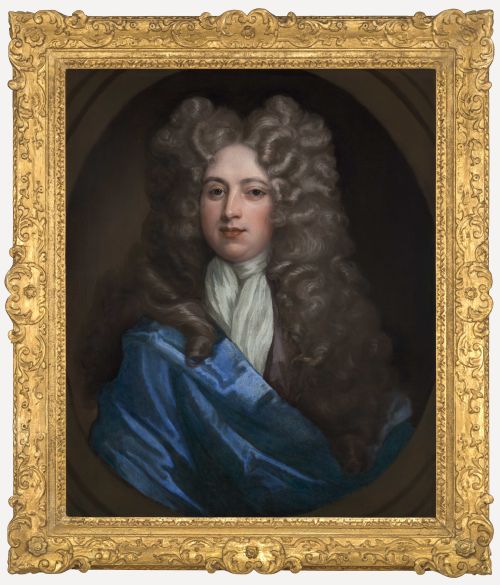
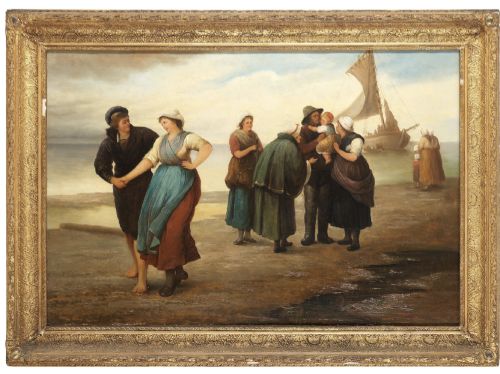
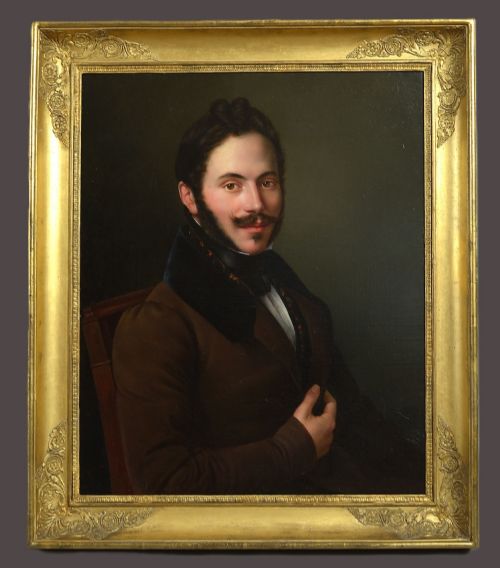
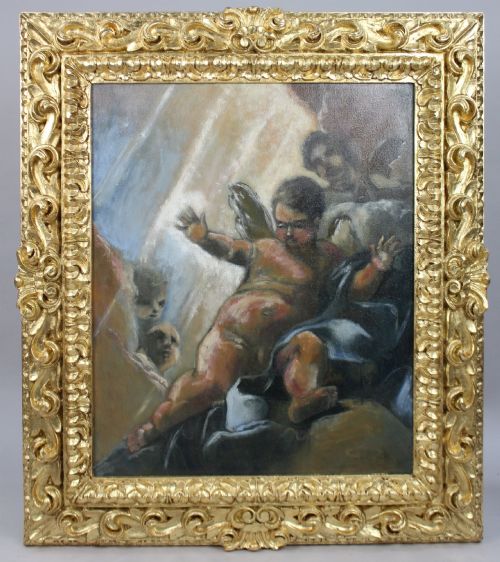
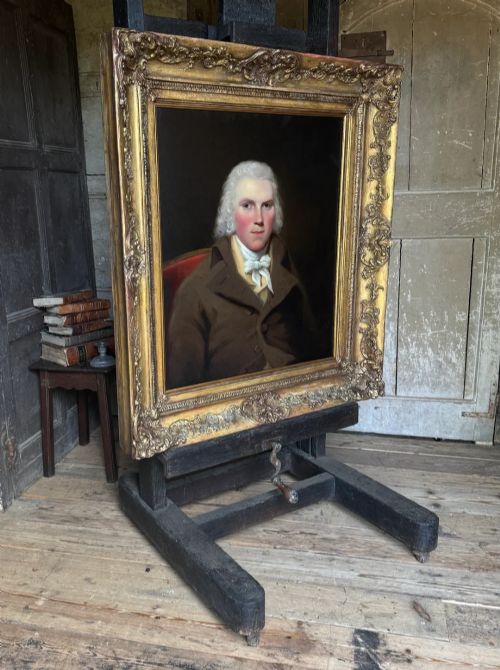
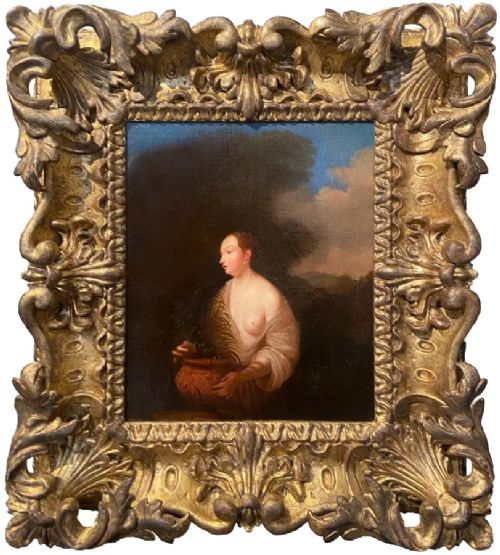
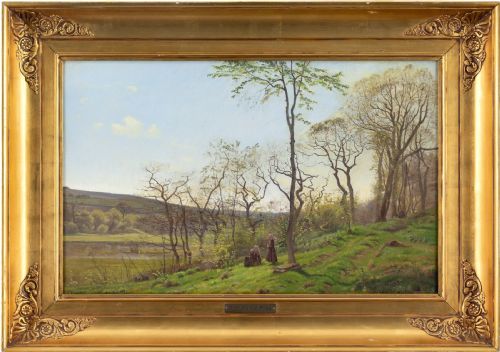
Giltwood framed fine art brings together centuries of painted oil canvases and portraits enclosed within luminous, gilded wooden surrounds.
Giltwood Framed Fine Art
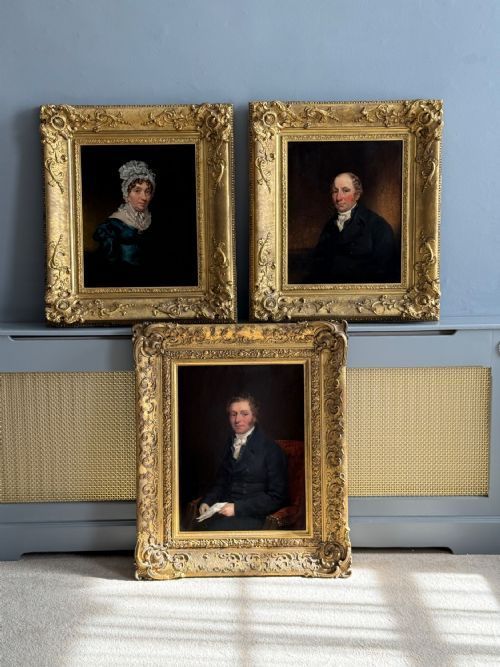
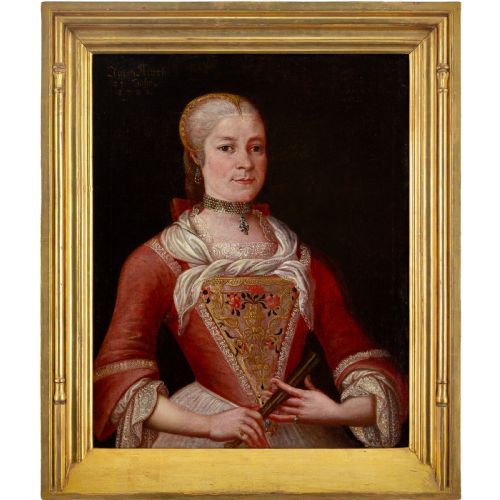
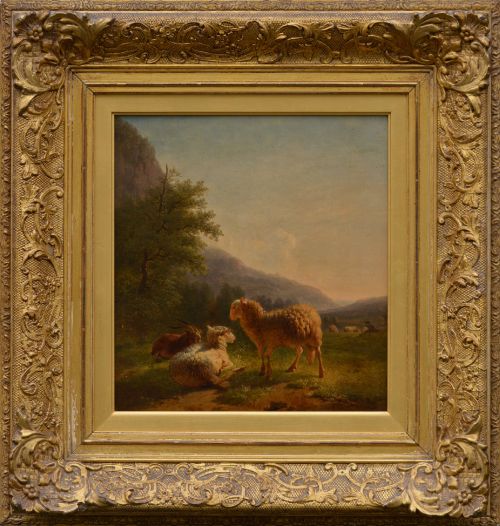
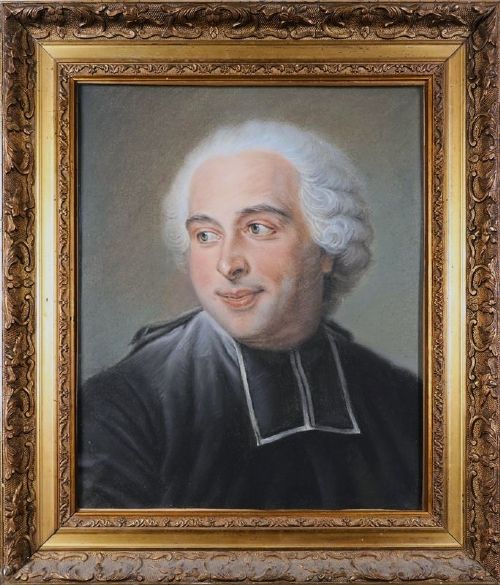
When searching for giltwood framed fine art, collectors encounter oil paintings, panel works and pastels dating from the seventeenth century through to the Edwardian period, alongside Victorian and Regency examples. These items encompass portraits of nobility and officers, pastoral landscapes, tavern interiors and still lifes created by British, French, Dutch and Bavarian schools.
The pieces presented range from large monumental canvases to intimate panel portraits, all retaining their period frames. Buyers often find works attributed to named historical artists alongside pieces from regional European schools.
How they were made
The artworks themselves rely on oil paint applied to woven canvas or wooden panel substrates, sometimes executed in pastel or gouache on canvas. Pigments capture the subtle drapery of silk dresses, suits of armour and natural light across pastoral landscapes.
The frames are constructed from wood finished with layers of gesso before being applied with gold leaf or metallic gilding, often featuring carved decorative mouldings that complement the period of the painting.
Listings span from the 17th century through the Edwardian era, featuring oil paintings, pastels, and carved gesso frames.
What varies in quality
Quality in these works rests upon the precision of the brushwork, particularly in the rendering of facial expressions, textiles and hands within portraiture. Finer examples display confident draughtsmanship and depth that separate master compositions from routine studio output.
The preservation of the original gilded surface on the frame and the stability of the canvas or panel determine the integrity of the piece. Surviving frames with crisp carved detail matching the age of the artwork elevate the overall standard of the object.
Joseph Clover RA·Eugène Verboeckhoven·Jean-Baptiste Van Loo·Sir Anthony van Dyck·Thomas Murray·Edouard Pingret·Sir Peter Lely·Francis Hayman·Henry Pickering·Thomas Kent Pelham·Nicolaes Maes·Thomas Sidney Cooper·Pieter Cornelis Dommersen·Sir Joshua Reynolds RA·John Hamilton Mortimer
The Giltwood Framed Fine Art Glossary
- Giltwood
- Wood that has been coated with gold leaf or a metallic substitute. This finish provides the bright, reflective border characteristic of period art frames.
- Gesso
- A plaster mixture applied to wooden frames as a smooth base before gilding. It allows craftsmen to carve intricate relief patterns.
- Oil on canvas
- Pigments mixed with drying oils applied to a stretched fabric support. This combination offers durability and rich colour blending.
- Panel
- A flat wooden board used as a painting surface prior to the widespread adoption of canvas. Panels provide a rigid ground for detailed early works.
Giltwood Framed Fine Art: Frequently Asked Questions
How do I identify the period of the frame?
Frame periods are identified by the complexity of the wood carving, the profile of the moulding, and the application method of the gesso and gold leaf. Earlier frames often feature hand-carved wooden details, while later Victorian versions utilise moulded composition ornaments.
Examining the reverse of the frame reveals construction joinery and timber ageing that help corroborate the era of the artwork it encloses.
Are these paintings original or copies?
The selection includes original hand-painted works from various centuries, as well as historical period copies after masters such as Sir Anthony van Dyck or Sir Peter Lely. Contemporary studio copies and after-works were common practice in previous centuries for study and collection.
Signatures, stylistic execution, and pigment analysis assist in distinguishing primary creations from later period copies.
How should I care for giltwood frames?
Giltwood frames require stable indoor humidity and protection from direct sunlight to prevent the gesso and gold leaf from cracking or flaking. Dusting should be performed gently with a dry, soft brush without applying liquid cleaners.
Avoiding abrasive materials preserves the delicate metallic surface and the underlying wooden structure.
What subjects are most common?
Portraiture dominates the earlier centuries, featuring aristocrats, officers, and gentlemen in periwigs or armour. Landscapes, still lifes, and domestic genre scenes become more prominent in nineteenth-century and Edwardian examples.
These subjects reflect the shifting domestic tastes and decorative commissions of each successive period.