





Giltwood Framed Art
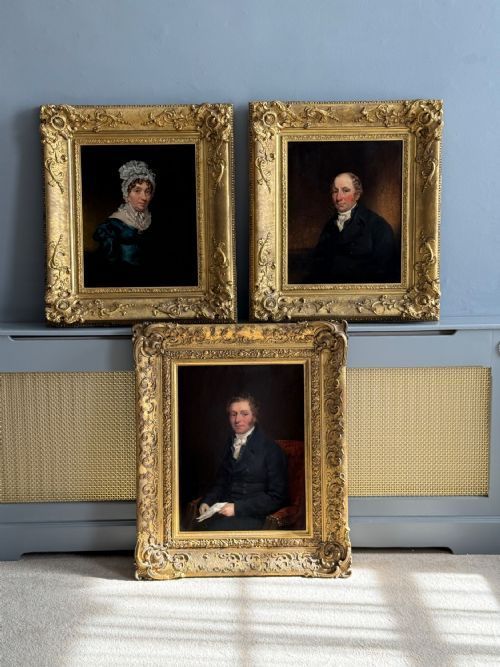
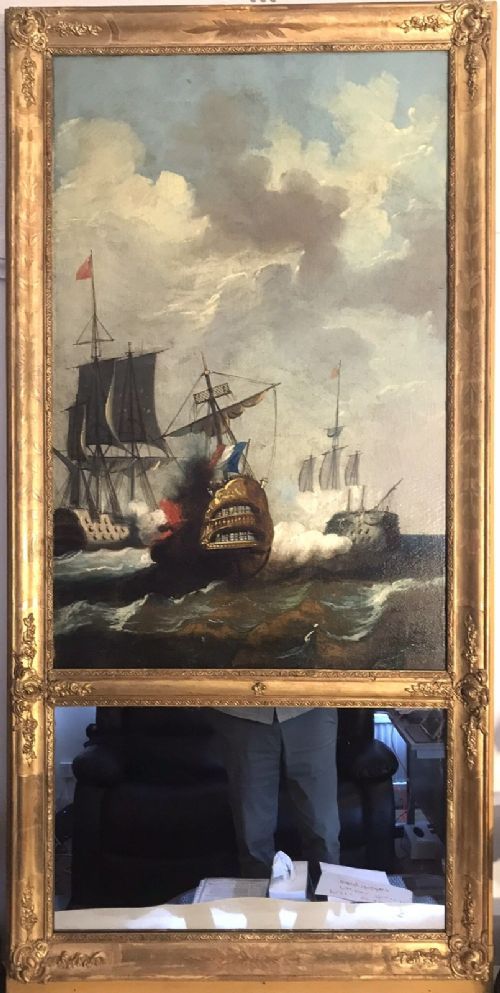
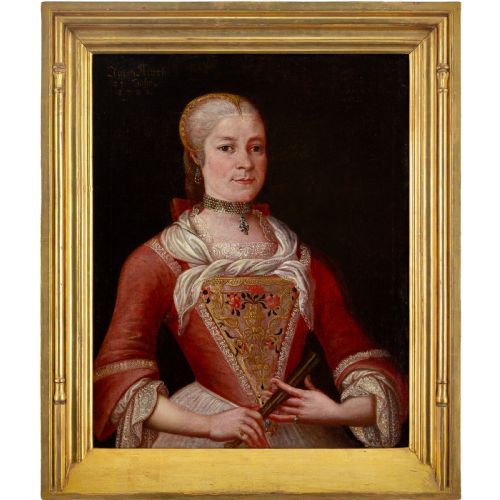
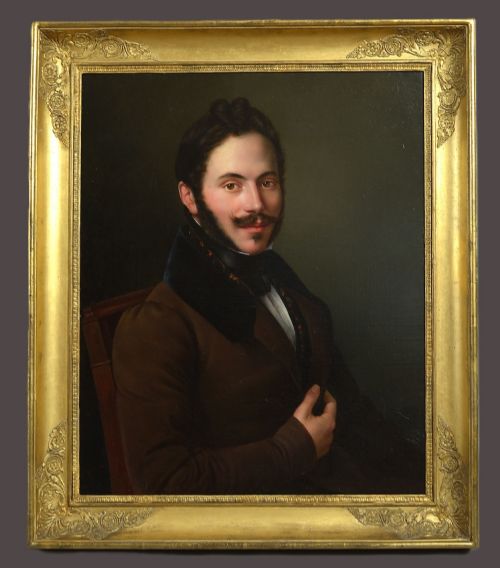
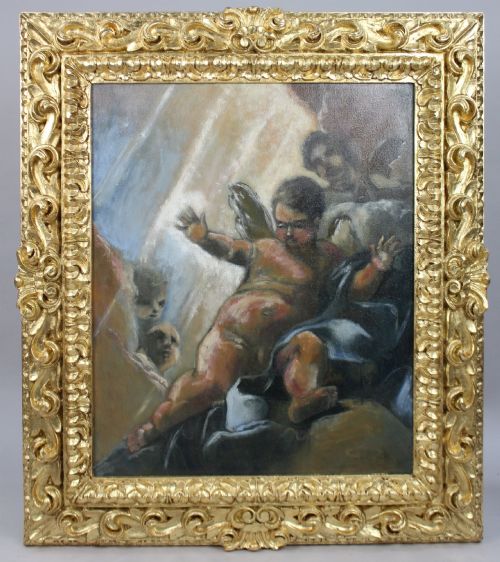
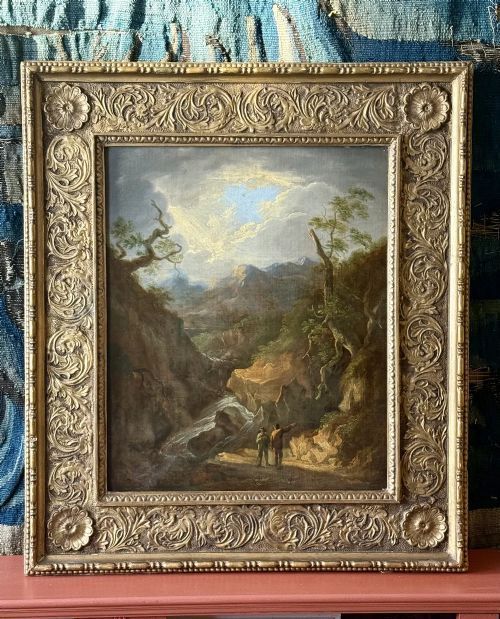
Giltwood framed art brings together historic oil paintings, pastels and prints enclosed within ornate, light-reflecting carved wooden surrounds.
Giltwood Framed Art
Giltwood framed art encompasses centuries of visual culture, stretching from seventeenth-century portraiture through eighteenth-century Rococo compositions to nineteenth-century romantic landscapes. The works themselves take the form of oil paintings on canvas, pastel portraits on paper, engravings and framed prints.
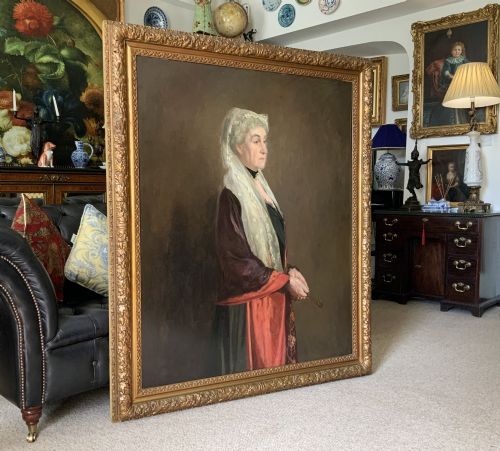
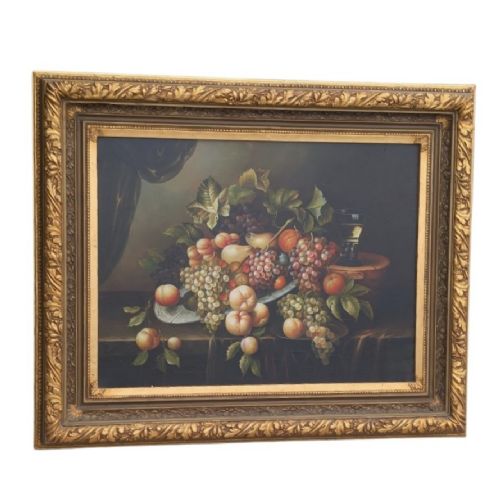
Buyers encountering this selection will frequently find oil paintings and portraits originating from the seventeenth, eighteenth and nineteenth centuries. These pieces combine historic painted surfaces with their original or period-matching gilded timber surrounds.
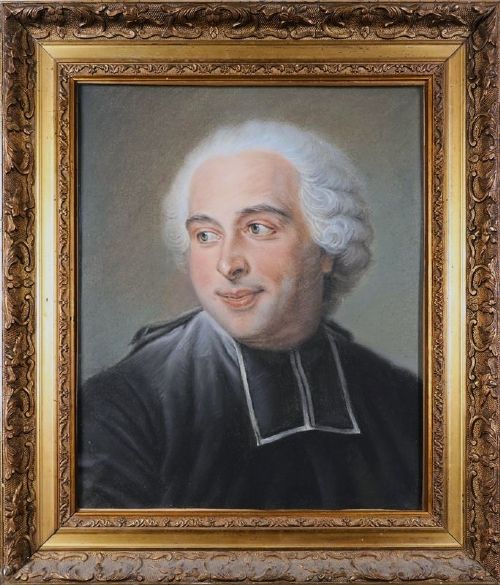
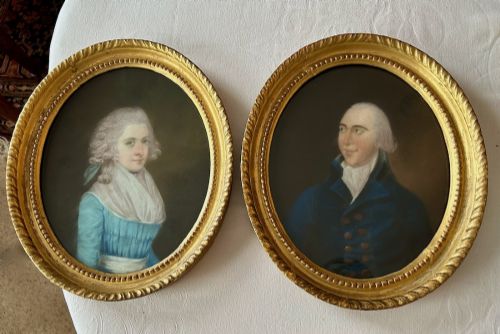
Beyond grand oil paintings, the category includes delicate pastel portraits, framed engravings and advertising prints from the early twentieth century. Each item relies on the interaction between the artwork and the reflective, metallic quality of the frame to hold visual weight on a wall.
How these pieces were constructed
The frames are formed from carved wood, typically coated in a thin layer of gesso before receiving application of gold leaf or metallic size to create the characteristic gilt finish. Carvers worked timber substrates by hand to produce scrollwork, acanthus leaves and classical moulding profiles.
The pictorial works housed within utilise oil on canvas, hand-ground pigments, pastel on paper or traditional printing techniques such as stipple engraving and etching. Canvases are stretched over wooden frames, while works on paper require glass glazing for protection against environmental degradation.
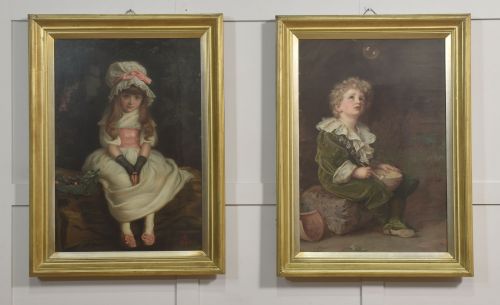
Among the historical faces looking out from these walls are an eighteenth-century abbe, a privateer captain, and a pair of soap advertising prints from nineteen-ten.
What separates examples
Quality in these objects rests upon the depth of hand-carving within the timber frame and the intactness of the original gilding surface. Frames retaining their initial preparation layers and crisp undercut moulding stand apart from those subjected to later heavy regilding or smoothing.
On the pictorial side, the skill of the artist dictates the standing of the piece, visible in the handling of facial anatomy, fabric folds and atmospheric perspective. Original pairing of canvas and frame from the period of creation adds considerable integrity compared to later marriages of convenience.
Eugène Verboeckhoven·Jean-Baptiste Van Loo·Thomas Murray·Edouard Pingret·Benjamin Barker of Bath·Walter Heath Williams·Thomas Sidney Cooper·Henry H. Parker·Edgar Hunt
The Giltwood Framed Art Glossary
- Giltwood
- Timber carved and coated with gold leaf or metallic powder to produce a luminous, reflective surface. This finish defines the aesthetic of classical European framing traditions.
- Gesso
- A plaster-like mixture applied to wood frames to provide a smooth, absorbent base for gilding. Skilled artisans sanded this layer meticulously before laying gold leaf.
- Pastel
- A dry medium composed of powdered pigment and a binder, worked onto paper to create portraits and landscapes. Works in this medium require careful glazing to prevent pigment loss.
- Stipple engraving
- A printmaking technique using dots of varying density to render tonal gradations and shadows. It gained popularity during the eighteenth century for reproducing fine portraits.
- Provenance
- The documented history of ownership attached to an artwork or artefact. Clear records help establish authenticity and date of creation.
Giltwood Framed Art: Frequently Asked Questions
Are these frames original to the paintings?
Many historic artworks retain their original or period-correct frames, which were often selected by the artist, patron or contemporary framer to complement the composition. Over the centuries, however, frames and paintings were frequently separated and rematched based on aesthetic taste or size.
Clues to originality include matching patination wood shrinkage, and rebates that fit the canvas without unnecessary spacers. An experienced eye looks at the corners, nail types and general wear patterns to judge whether frame and artwork share a long history together.
How should I hang heavy giltwood art?
The weight of carved timber frames and stretched canvas requires robust hardware secured directly into wall studs or masonry rather than standard plasterboard fixings. Using heavy-duty picture wire, D-rings screwed firmly into the wooden stretcher or frame rails, and appropriate wall anchors ensures safety.
Placement should avoid direct sunlight, heat sources and damp walls to protect both the gesso ground of the frame and the pigments of the oil or pastel artwork from degradation.
What is the difference between an oil painting and a pastel portrait?
Oil paintings utilise pigments suspended in a drying oil such as linseed, applied to stretched canvas or wooden panels in layers that allow for rich colour depth and durability. Pastels consist of compressed pigment sticks applied dry to paper, offering a velvety texture and immediate, luminous colour transitions.
Because pastels lack a protective fluid binder, they are inherently fragile and must remain permanently sealed behind glass to prevent the chalky particles from disturbing over time.