


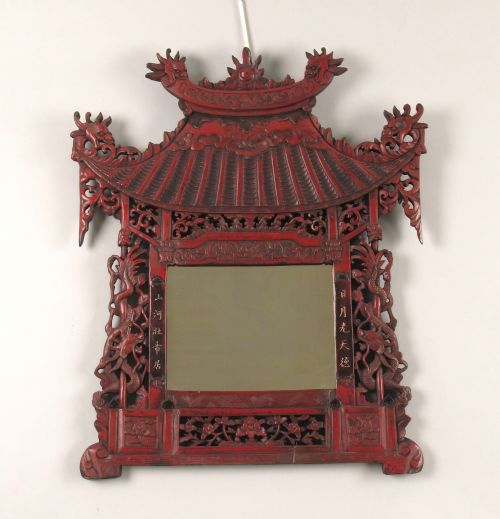


Gilt Wood Vanity
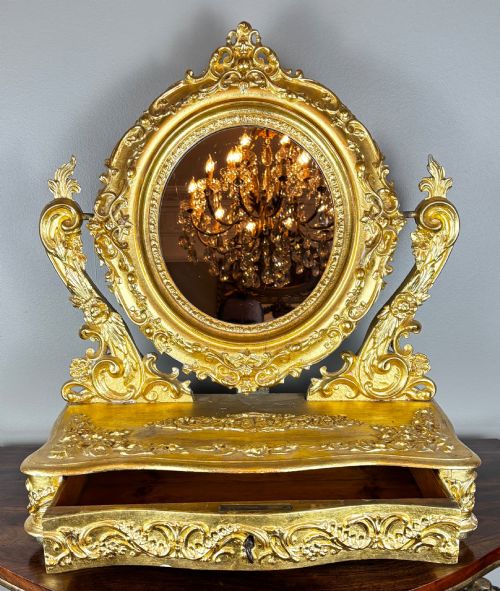
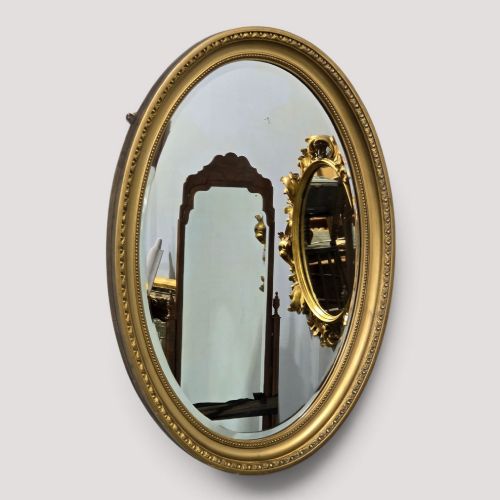
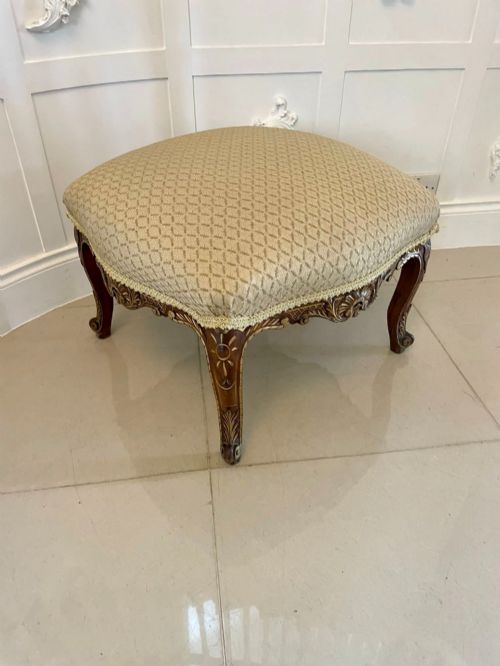
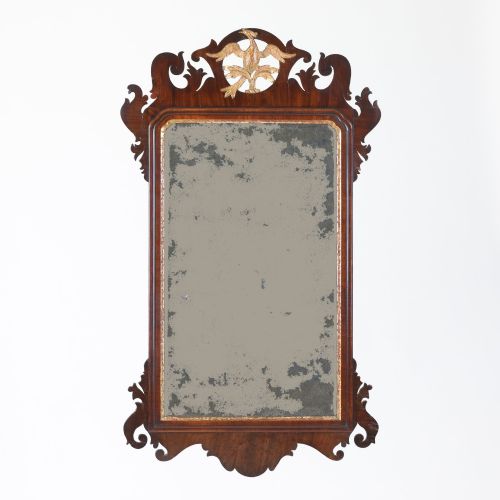
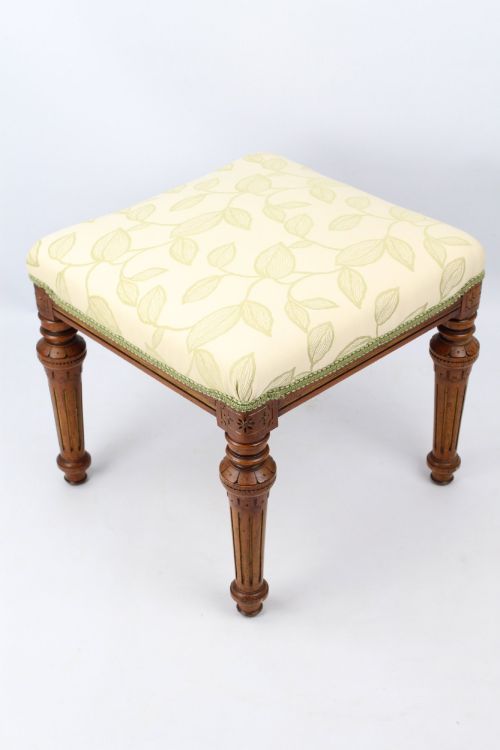
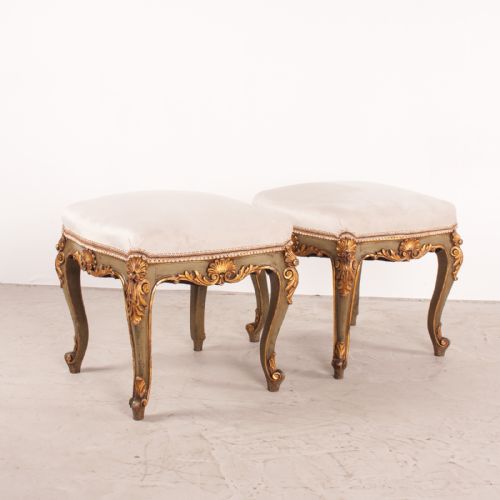
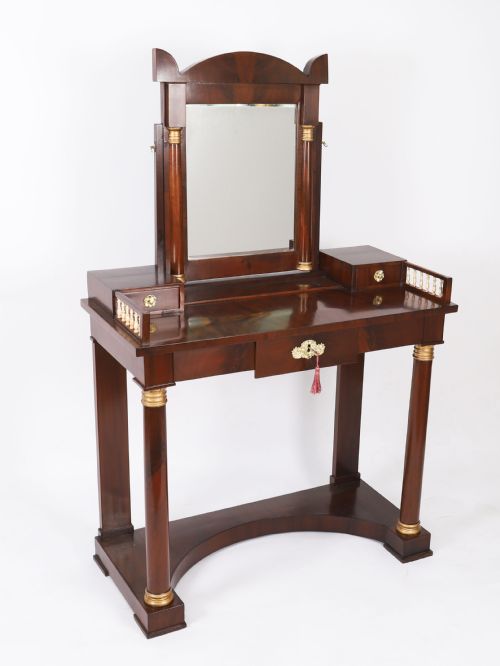
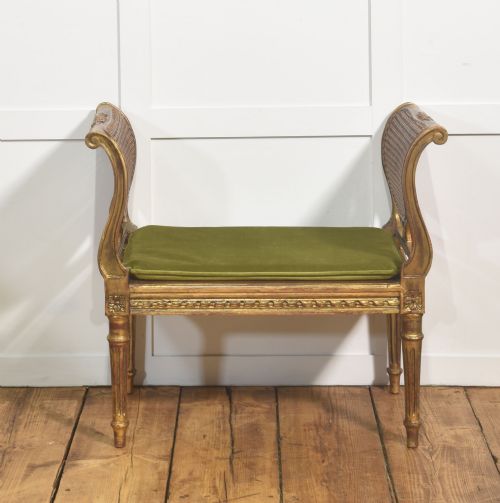
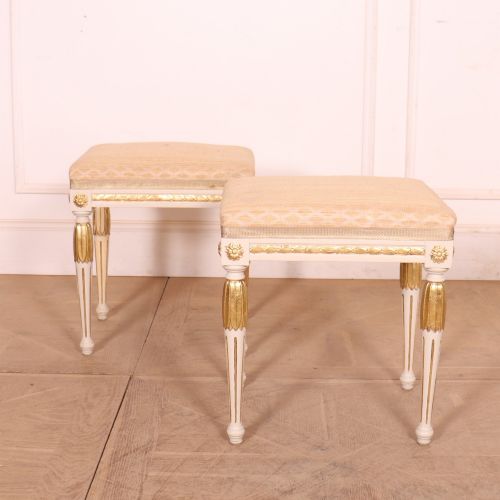
These gilt wood vanity pieces bring warmth and reflection to a room, ranging from mirrors to seating shaped by 18th and 19th century hands.
Gilt Wood Vanity
A gilt wood vanity grouping typically comprises mirrors, dressing tables, and accompanying stools designed for personal grooming and bedroom enhancement. When buyers search for gilt wood vanity items, they encounter a mix of functional furnishings and decorative accents created across multiple European and British traditions.
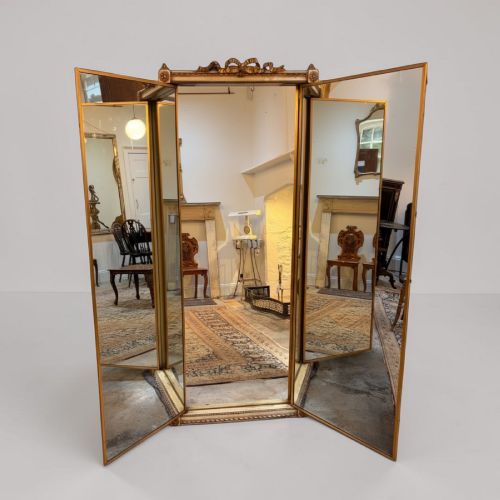
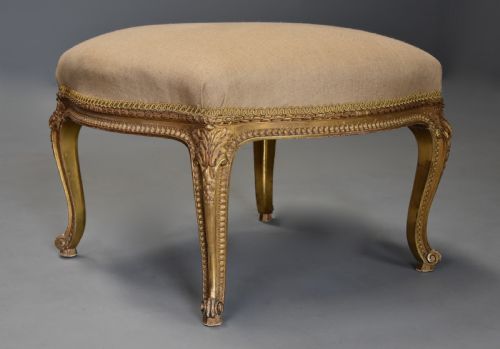
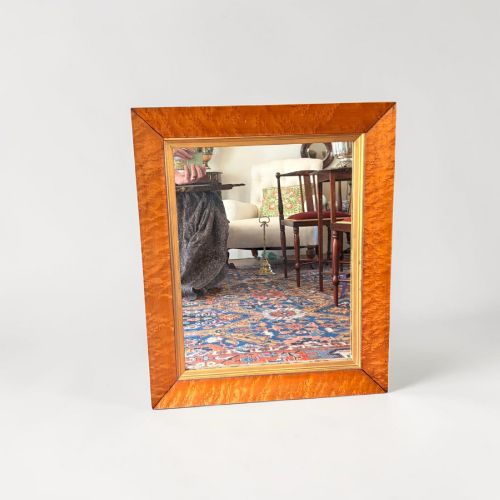
Mirrors form a large part of the selection, spanning simple rectangular wall glasses to ornate triptychs and overmantle designs. Seating options range from low stools and footstools to occasional chairs and window benches, often upholstered in fabric or cane to match the dressing furniture.
Pieces frequently originate from French, Italian, English, and Swedish workshops, displaying regional interpretations from the 18th century onward. The surviving inventory reflects a steady presence of Victorian and Georgian designs alongside continental revival styles.
Materials and construction methods
Carved wood provides the structural base for these items, utilising timber species such as oak, walnut, and mahogany beneath decorative finishes. Gesso is frequently applied over the wood base to create a smooth, responsive surface for subsequent gilding.
Giltwood and gold leaf finishes dominate the appearance, requiring skilled application of thin metal sheets over prepared grounds. Additional materials like brass, glass, and occasional fabric upholstery complete the construction of tables, mirrors, and stools.
Gilt Wood Vanity Retail Price Guide 2026
Typical asking prices for gilt wood vanity among the pieces listed under this phrase on Sellingantiques today, from the lower quarter to the upper quarter. They describe what is for sale here now, not the wider market.
Several mirrors include clever folding wings and hidden compartments designed for concealing tiny Victorian secrets.
Assessing quality and craftsmanship
The depth and precision of the wood carving distinguish higher grade pieces from simpler production items. Crisp relief work on gesso and gilt surfaces indicates superior artisan skill during the manufacturing process.
Originality of the gilding and glass elements significantly impacts the character of a mirror or frame. Retained maker stamps or documented workshop attributions add distinct historical weight to surviving tables and seating.
LOIDRAULT FRERES PARIS·Lamb of Manchester
The Gilt Wood Vanity Glossary
- Giltwood
- Wood that has been coated with gold leaf or powder. This finish gives frames and furniture a bright, metallic sheen.
- Gesso
- A plaster mixture applied to wood surfaces before gilding. It provides a smooth base that holds crisp carved details.
- Curule stool
- An ancient Roman stool shape with X-shaped legs. 19th-century makers revived this form for elegant seating.
- Poudreuse
- A French dressing table equipped with folding mirrors and compartments. It was designed for powdering wigs and cosmetics.
- Parcel gilt
- A finishing method where only specific carved details are gilded while the underlying wood grain remains visible elsewhere.
Gilt Wood Vanity: Frequently Asked Questions
How do I date a gilt mirror?
Examine the backboards, assembly methods, and the quality of the glass plate for signs of age. Frame styles often mirror the prevailing aesthetic of periods like the Georgian or Victorian eras.
Look closely at the gesso and gilding application, as older pieces exhibit natural wear patterns and hand-carved nuances that later reproductions struggle to replicate.
Where should I place a dressing stool?
These low seats fit naturally in front of a dressing table, vanity, or console mirror in a bedroom. They also function well as occasional seating in hallways or living spaces.
Ensure the height matches your surface and that any delicate gilt frame is kept clear of heavy foot traffic to prevent accidental knocks.
How do I care for gilt wood?
Dust surfaces gently with a soft, dry microfibre cloth to prevent the accumulation of dirt. Avoid using chemical sprays, abrasive cleaners, or excess water near the gilding.
Keep pieces away from direct sunlight and moisture to protect the delicate gesso and gold leaf layers from cracking or flaking over time.