

Gilt Wall Hanging
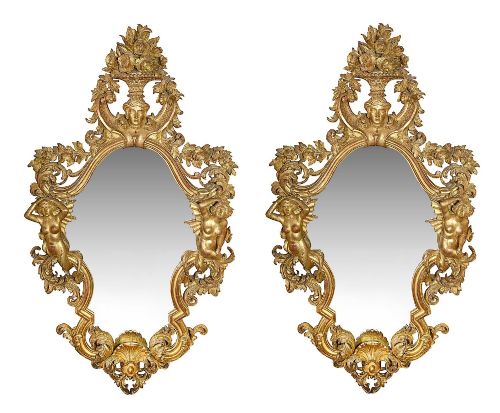
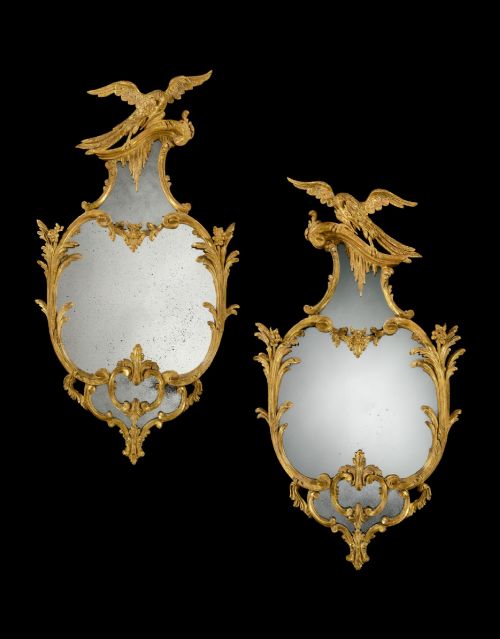
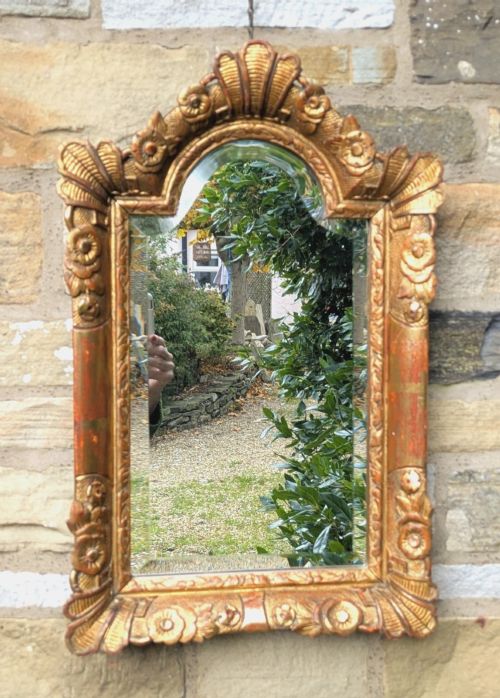
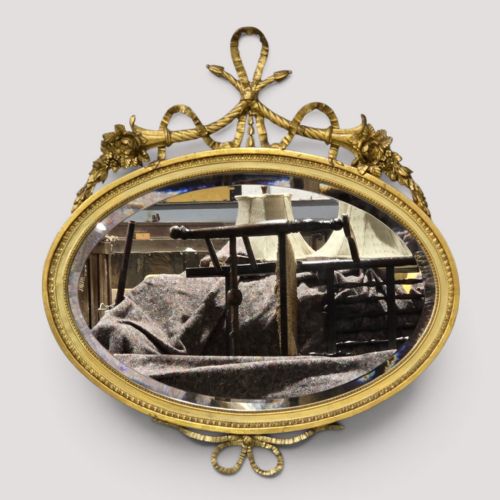
These gilt wall hanging pieces bring surface brilliance and reflection to a room, spanning carved mirrors, textile art, and wooden shelves.
Gilt Wall Hanging
A gilt wall hanging encompasses a diverse group of objects designed to be mounted above furniture or along corridors, bringing functional reflection and decorative depth into domestic spaces. The selection ranges widely across centuries, incorporating mirrors, shelves, clocks, paintings, and embroidered panels.
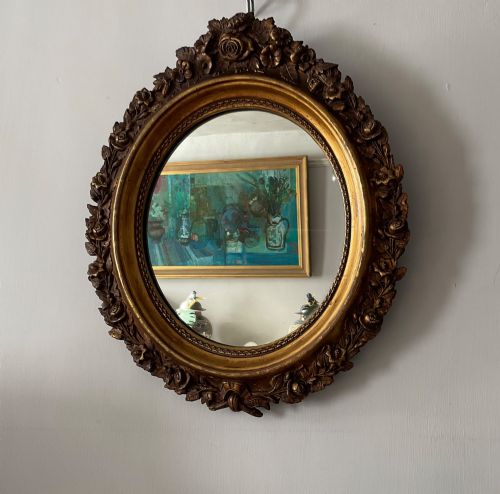
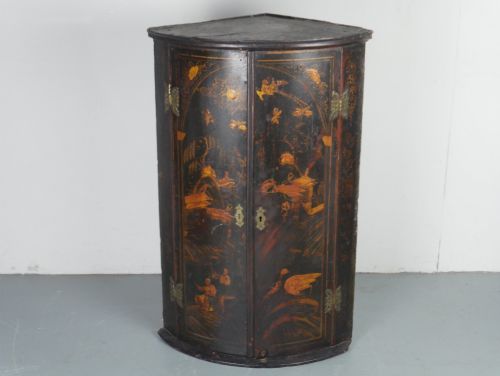
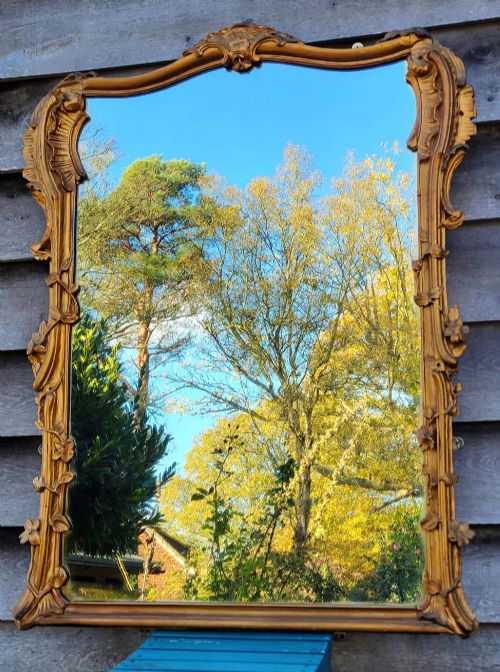
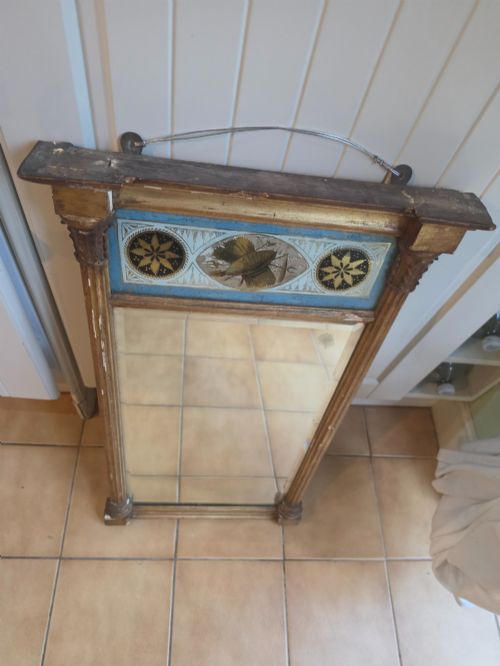
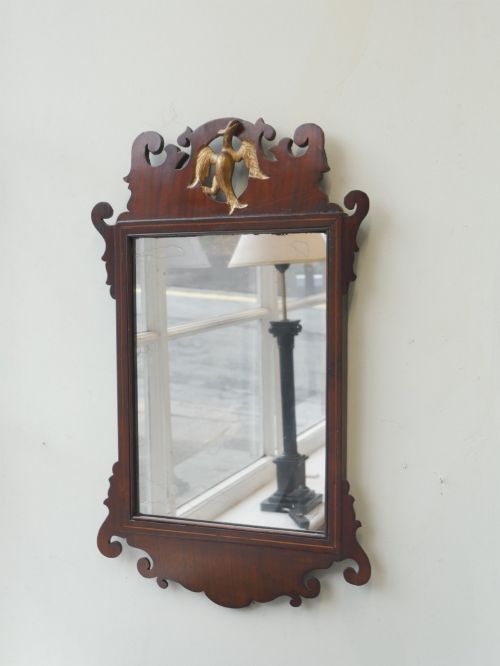
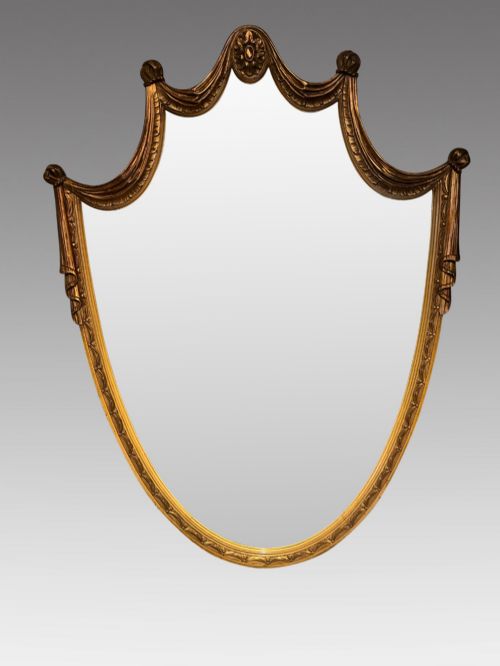
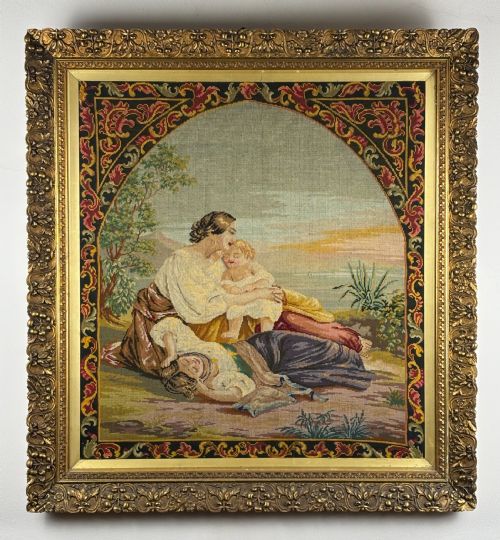
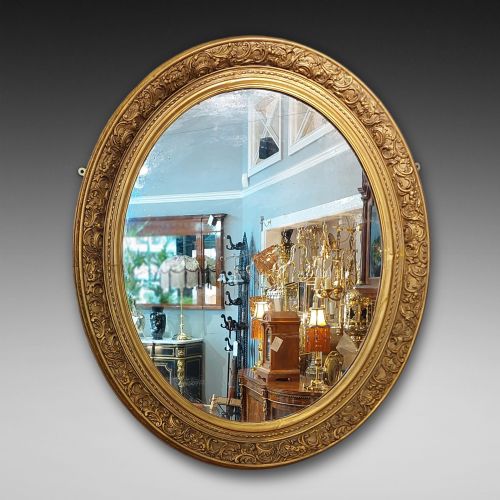
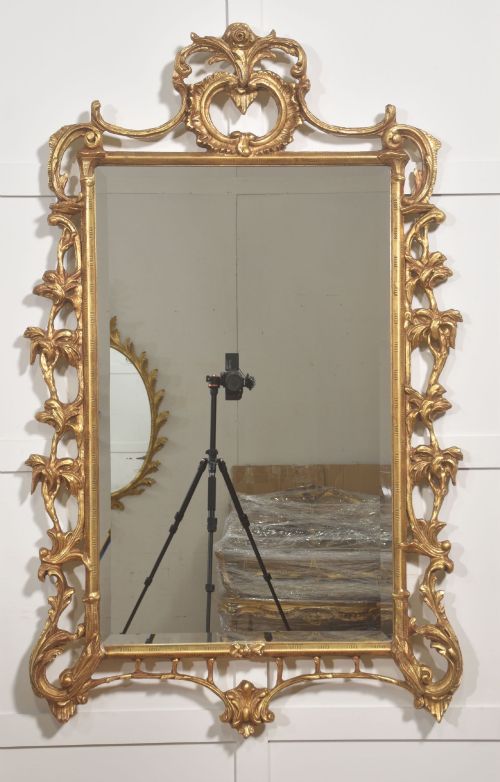
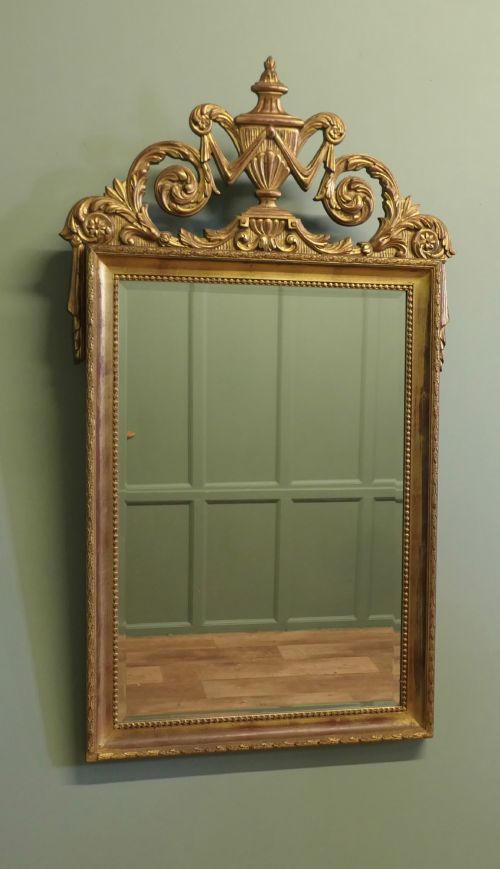
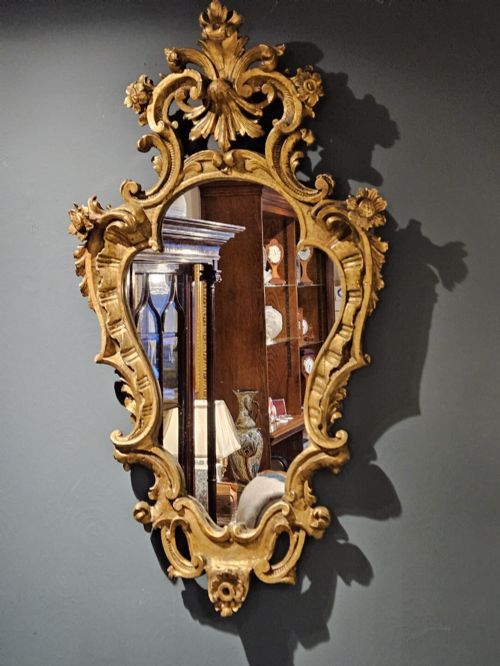
Mirrors dominate the offerings, constructed in oval, rectangular, and trapezoidal formats from the 18th, 19th, and early 20th centuries. Alongside these reflective plates, buyers encounter smaller numbers of hanging shelves, textile panels, and wall clocks sharing similar surface gilding.
Design influences shift across the periods, moving from Georgian and Regency forms toward Victorian revivals and French styles like Louis XVI and Rococo. These variations ensure that pieces suit both formal period interiors and eclectic modern rooms.
Materials and Construction
Makers built the structural carcases of these pieces using timbers such as mahogany, burr walnut, maple, and general wood substrates. Carved ornamentation often relied on gesso applied over wood, allowing artisans to shape intricate floral, vine, and classical motifs.
Gilding techniques included water gilding and oil gilding with gold leaf, creating lustrous metallic surfaces that catch ambient light. Many examples integrate antique mirror glass plates, sometimes paired with silver-gilt accents or hand-painted details.
Gilt Wall Hanging Retail Price Guide 2026
Typical asking prices for gilt wall hanging among the pieces listed under this phrase on Sellingantiques today, from the lower quarter to the upper quarter. They describe what is for sale here now, not the wider market.
Materials across these listings include glass, giltwood, gesso, gold leaf, mahogany, and composition.
Distinctions in Quality
The sophistication of the carved detail sets apart finer examples, particularly where floral carvings, masks, or fretwork exhibit sharp, deep relief rather than shallow moulding. Hand-carved giltwood and gesso pieces demonstrate superior craftsmanship compared to simpler plaster casts.
The integrity of the original surface finish and the character of the mirror plate itself dictate the tier of a piece. Original gilt surfaces showing honest wear and period mirror glass with natural foxing hold greater distinction than modern replacements.
Arsène Rochette·Nanninga Uitterdyke
The Gilt Wall Hanging Glossary
- Giltwood
- Wood that has been coated with gold leaf or powder. This finish provides the characteristic metallic sheen seen across many period frames and panels.
- Gesso
- A plaster mixture applied to wood substrates to create a smooth surface for carving or gilding. It enables intricate relief work on frames and mirrors.
- Water Gilding
- A traditional technique applying gold leaf over wet Armenian bole. It produces a brilliant shine that can be burnished to a high gloss.
- Parcel-Gilt
- Woodwork where only specific decorative elements are highlighted with gold leaf while the underlying wood grain remains visible elsewhere.
- Fretwork
- Ornamental design created by cutting patterns through wood. This technique appears frequently on Georgian style wall mirror frames.
Gilt Wall Hanging: Frequently Asked Questions
How do I hang a heavy gilt mirror safely?
Wall hanging pieces require secure fixings anchored directly into masonry or substantial wall studs to support the combined weight of wood and glass.
Using professional mirror plates or weight-tested wire rated well above the object's mass ensures stability over time.
What period do most gilt wall items belong to?
The majority of pieces date from the 19th century, encompassing Victorian, Regency, and various revival styles.
Earlier examples from the 18th century and later ones from the early 20th century also appear within the selection.
How should I clean a giltwood frame?
Dusting gently with a soft, dry brush prevents the accumulation of dirt without disturbing the fragile gold leaf or gesso layers.
Water and chemical cleaning agents should be avoided entirely to protect the historic surface finishes from degradation.
Are all the mirror plates original?
Survival rates vary, meaning some pieces retain their early mirror glass while others feature later replacements.
Examining the glass for subtle imperfections, distortion, and age-related oxidation helps determine its period authenticity.