

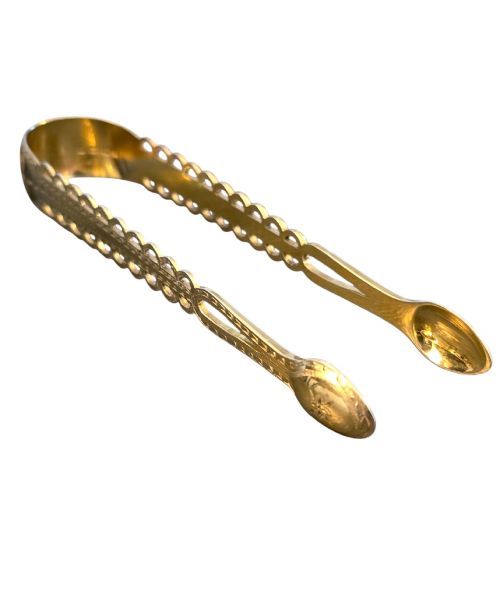


Gilt Silver Service
These gilt silver service pieces bring brilliant warmth to the table, combining precious metals with fine Georgian and Victorian craftsmanship.
Gilt Silver Service
A gilt silver service encompasses refined dining and tea items, ranging from individual cream jugs and sugar bowls to complete four piece tea and coffee services. When searching for a gilt silver service, buyers encounter various forms designed for social hospitality, including matched sets and cased presentation pieces.
The selections span several distinct eras, with George III, William IV, and Victorian examples appearing frequently alongside Edwardian and Sheffield plated alternatives. These vessels served practical domestic roles during formal tea and breakfast gatherings in affluent households.
Alongside conventional teaware, the category includes specialised tableware such as sugar tongs, sifter spoons, communion sets, and lady's dressing sets. Each piece reflects the social rituals of nineteenth century British life through durable precious metal construction.
What varies in quality
Quality depends upon the precision of the silversmith's workmanship and the preservation of the original gold gilt surface. Maker attribution plays a significant role, with documented workshops demonstrating superior finesse in handling handles, spouts, and decorative chasing.
The completeness of a set and the inclusion of original fitted presentation cases distinguish exceptional gatherings from isolated vessels. Heavier gauge metal and crisp hallmarks indicate higher production standards during the Georgian and Victorian periods.
Gilt Silver Service Retail Price Guide 2026
Typical asking prices for gilt silver service among the pieces listed under this phrase on Sellingantiques today, from the lower quarter to the upper quarter. They describe what is for sale here now, not the wider market.
Current listings feature sterling silver, silver-gilt, and Sheffield plate across Georgian and Victorian periods.
George William Adams·Chawner And Co·Joseph Craddock·Elkington Mason
The Gilt Silver Service Glossary
- Silver-gilt
- Sterling silver that has been coated with a thin layer of gold on its surface. This technique protects the underlying silver from tarnishing while offering a luxurious golden appearance.
- Sheffield plate
- An early form of composite metal made by fusing a sheet of silver to a thicker copper base. It was widely utilised for tableware before the invention of electroplating.
- Hallmark
- An official stamp applied by an assay office to indicate the purity of the metal, the maker, and the year of production. These marks provide definitive historical evidence for British silver.
- Chasing
- A metalworking technique where a silversmith depresses the front of the metal with a hammer and punches to create raised decorative designs without removing material.
Gilt Silver Service: Frequently Asked Questions
How do I care for gilt silver?
Gilt silver requires gentle maintenance to preserve the delicate gold layer applied over the base metal. Cleaning should involve mild soap, warm water, and a soft cloth rather than harsh abrasive polishes.
Avoiding chemical dips prevents the permanent stripping of the exterior gold wash, ensuring the rich surface coloration endures safely over time.
What is the difference between sterling and plate?
Sterling silver consists of solid precious metal conforming to a strict legal standard of purity throughout the entire object. It maintains intrinsic material value and exceptional longevity.
Silver plate involves a thin layer of silver bonded to a base metal such as copper or Britannia metal. Plated items offered a more affordable alternative for larger household services.
How are Victorian pieces dated?
Victorian items are dated using the specific date letters stamped within the official assay office hallmarks. Each year corresponded to a distinct alphabetical character defined by the governing guild.
Stylistic cues such as heavy floral chasing and ornate handles also point toward the distinct manufacturing preferences of the nineteenth century.