


Gilt Porcelain Sugar Bowl
A gilt porcelain sugar bowl brings tactile elegance to the table, combining refined ceramic bodies with rich metallic detailing.
What They Are
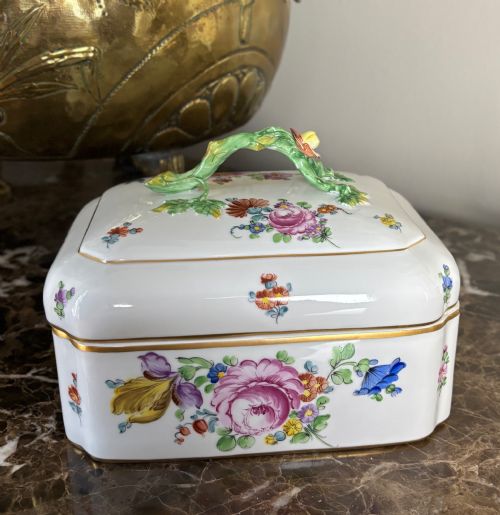
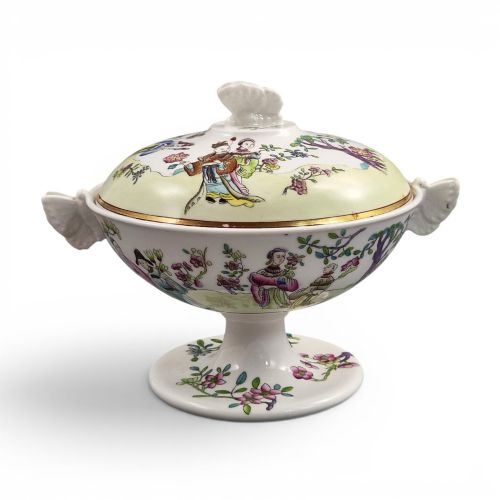
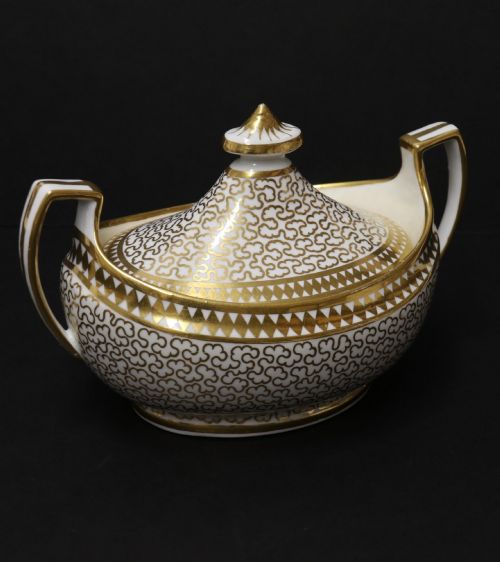
A gilt porcelain sugar bowl represents a refined intersection of decorative arts and domestic utility, designed to hold sugar for tea service. When searching for a gilt porcelain sugar bowl, buyers encounter pieces spanning the nineteenth century up to nineteen-twenty.
The selection includes specific forms such as covered sucrieres and paired cream jugs with sugar bowls. English makers dominate these examples, reflecting traditional manufacturing practices of their respective eras.
Surviving pieces range from Regency period designs to early twentieth-century painted fruit motifs. Each sugar bowl demonstrates the enduring appeal of gilt embellishment on fine ceramic bodies.
How They Were Made
These vessels are constructed from porcelain, providing a smooth white ceramic base for subsequent decoration. Artisans applied enamel paints and metallic finishes to create detailed surface designs.
Some nineteenth-century sugar bowls include cameo patterns, offering tiny classical portraits alongside their gold gilding.
What Varies in Quality
Quality in these vessels rests on the precision of the hand-painted decoration and the richness of the gilding. Superior examples feature intricate artistry, such as detailed fruit studies, applied by skilled hands.
The finesse of the porcelain body and the crispness of moulded forms also separate standard wares from exceptional pieces. Preservation of the original gold leaf finish remains a key marker of distinction.
Royal Worcester·Worcester Barr Flight and Barr·Coalport
The Gilt Porcelain Sugar Bowl Glossary
- Sucriere
- A sugar basin or bowl with a cover, commonly used during the eighteenth and nineteenth centuries for tea service. It forms the primary vessel for granulated or lump sugar.
- Gilt
- Covered thinly with gold leaf or gold paint to give a metallic sheen. This technique elevates plain ceramic surfaces.
- Porcelain
- A white vitrified translucent ceramic material fired at high temperatures. It provides the durable and refined foundation for these decorative bowls.
- Enamel
- Opaque or semi-opaque glassy substance fused to ceramic surfaces through firing. It adds vibrant permanent colour to painted motifs.
- Regency
- An English design period spanning the early nineteenth century known for classical elegance. Pieces from this era often feature restrained, sophisticated ornamentation.
Frequently Asked Questions
What is a sucriere?
A sucriere is simply the French term for a sugar bowl, frequently used in British pottery catalogues for covered vessels from the nineteenth century.
These pieces were central to formal tea service, designed to match matching teacups and cream jugs.
How do I date a sugar bowl?
Dating relies on maker marks, ceramic bodies, and stylistic indicators such as Regency forms or early twentieth-century painted fruit designs.
Comparing the paste and glaze characteristics with known factory output helps narrow the period of manufacture.
Were these bowls used daily?
Many nineteenth-century sugar bowls formed part of larger tea services reserved for formal entertaining and polite society.
Over time, surviving pieces transitioned from active domestic service into collectible cabinet displays.