
Gilt Porcelain Floral Dish
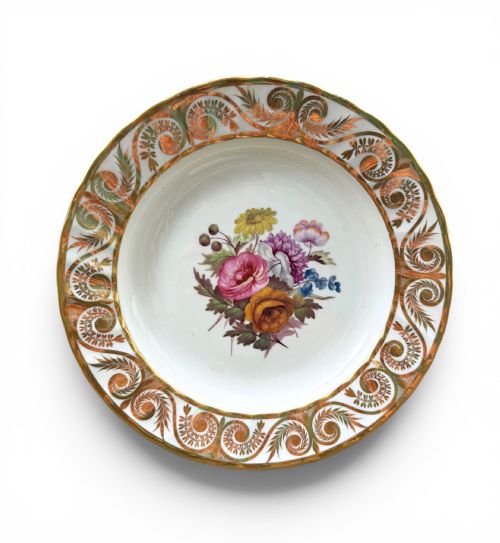
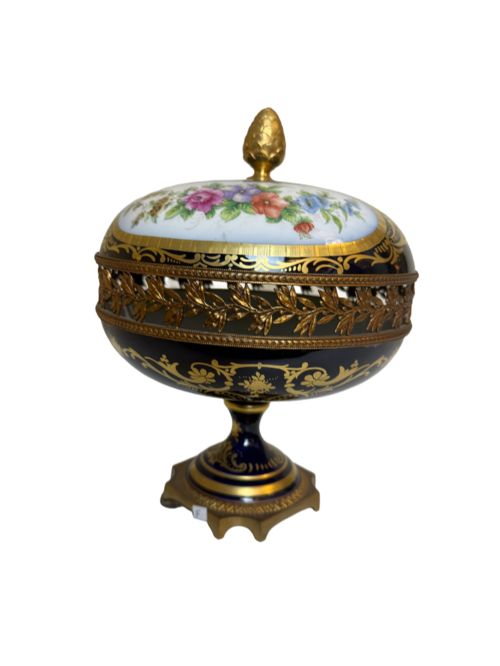
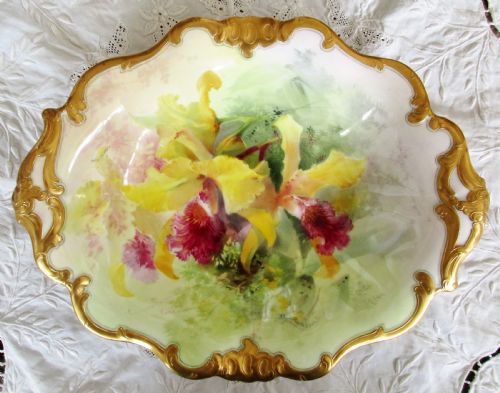
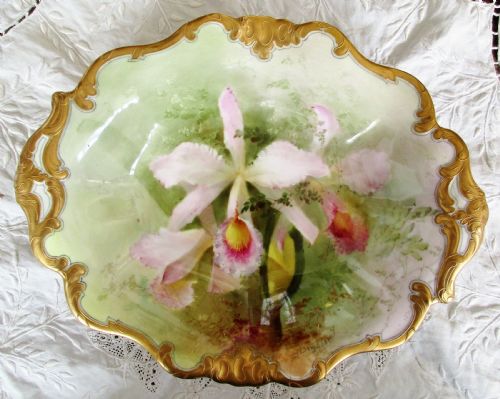
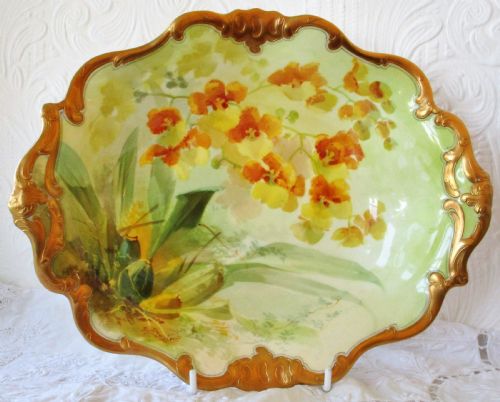
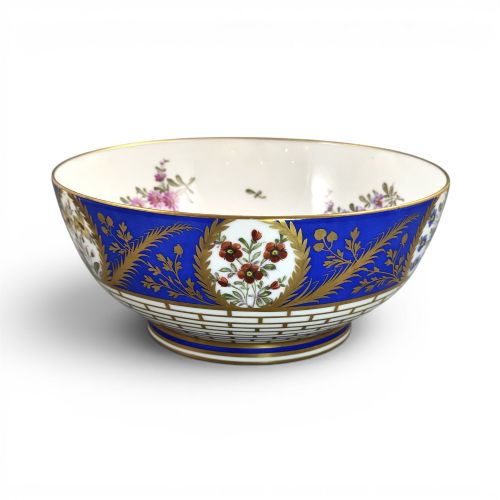
A gilt porcelain floral dish brings the warmth of handpainted petals and gleaming gold leaf to a table or cabinet.
Gilt Porcelain Floral Dish
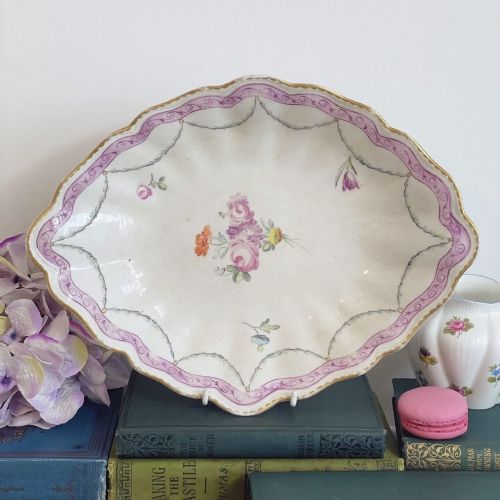
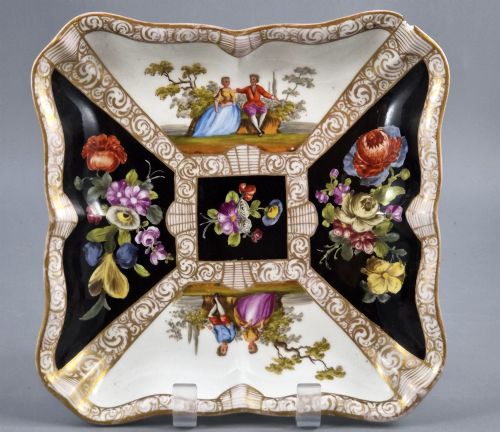
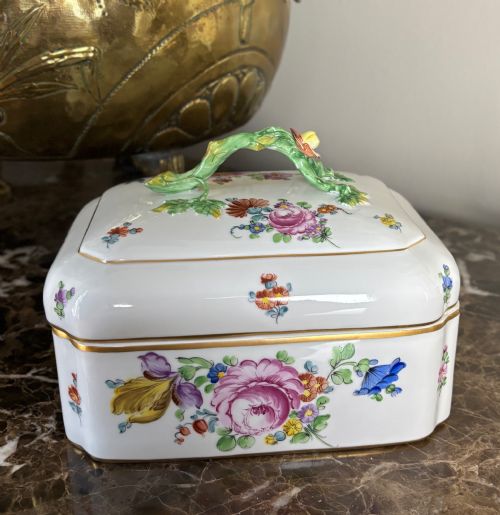
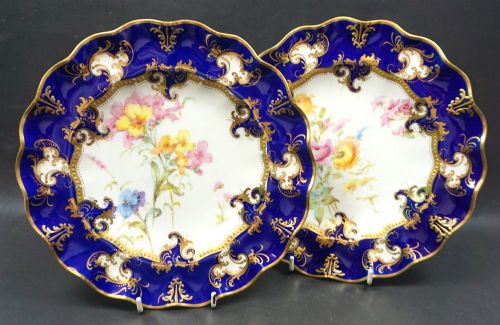
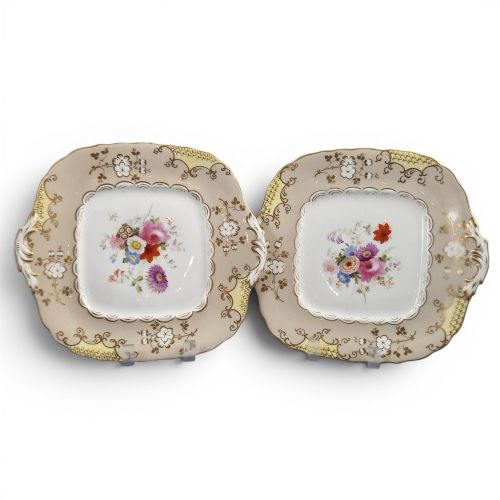
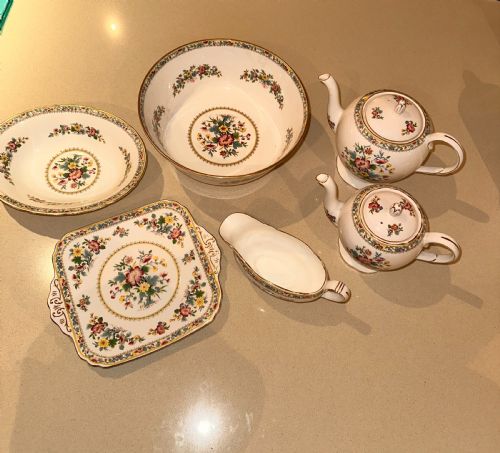
A gilt porcelain floral dish combines painted botanical motifs with gilded edges or accents, taking forms such as cabinet plates, serving trays, footed bowls, and potpourri lidded vessels. These pieces emerge from major European and Asian centres of ceramic production across the eighteenth, nineteenth, and early twentieth centuries, spanning periods from the Georgian era through to the Edwardian years.
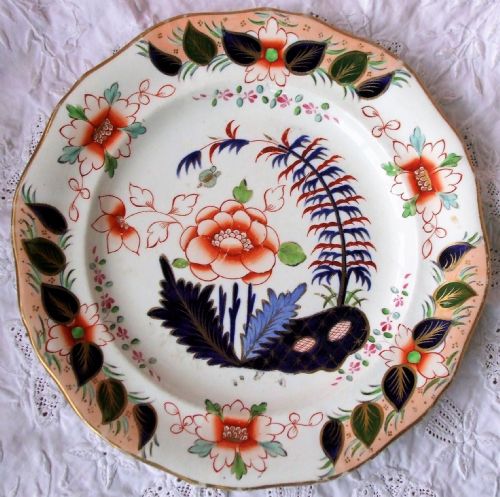
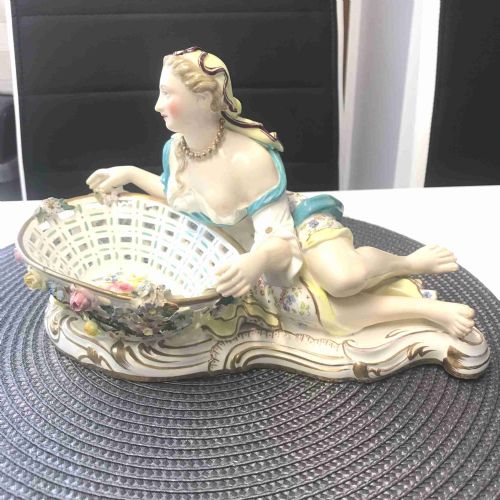
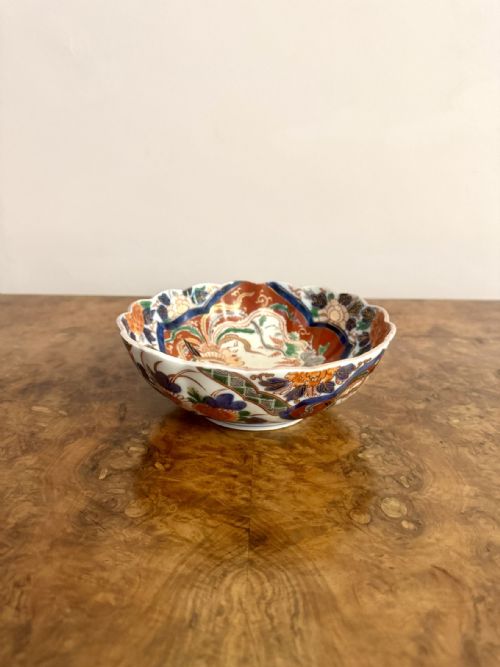
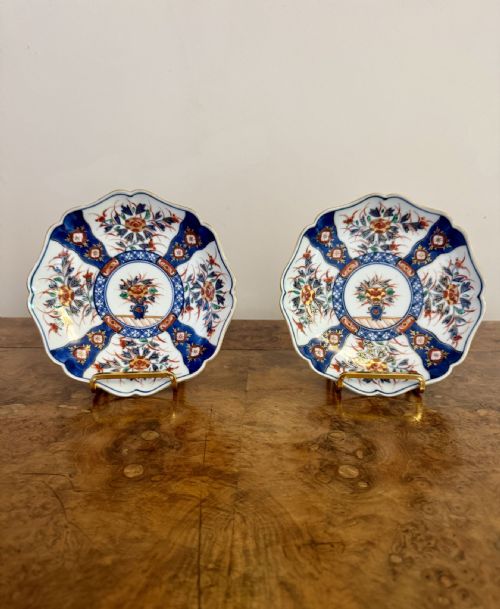
The versions most commonly met on this page include nineteenth-century English porcelain plates and bowls adorned with botanical studies, alongside continental European porcelain and Japanese Imari or Satsuma wares. Makers and decorators applied floral sprays, Watteau scenes, and handpainted roses to earthenware, hard-paste porcelain, and ironstone, often framing the imagery with rich gilding.
Buyers seek out a gilt porcelain floral dish for its decorative versatility and the distinct craftsmanship of periods like the Victorian, Regency, and Rococo Revival. Whether displayed on a wall, housed in a cabinet, or utilised on a dining table, each piece demonstrates the specific aesthetic priorities of its decade of origin.
How they were made
The foundation of these items rests on ceramic bodies such as hard-paste porcelain, soft-paste porcelain, and ironstone, shaped into plates, trays, and bowls through moulding or throwing. Artisans then applied enamel colours by hand, painting botanical sprays, garden flowers, and figural scenes directly onto the glazed surface before a secondary firing fixed the pigments.
Gold leaf, liquid gold, and heavier gilding were applied to the rims, handles, and borders to provide contrast against the painted polychrome floral designs. This gilding required careful burnishing to achieve a bright finish that complemented the delicate brushwork of the underlying ceramic body.
Several eighteenth-century dishes manage to smuggle cheerful putti and plump cherubs into serious floral arrangements.
What varies in quality
The distinction between standard production wares and superior pieces lies in the execution of the handpainted decoration and the weight of the ceramic body. Pieces featuring named botanical subjects, signed artist work, or intricate brushwork by skilled porcelain painters command greater attention than factory-stamped transfer prints.
The application and preservation of the gold leaf or gilding also dictate the calibre of a dish. Rich, thick gilding that retains its original burnished lustre indicates careful firing and high-grade materials, whereas thin or worn gilding reflects heavier use or simpler manufacture.
Meissen·Royal Crown Derby·Royal Doulton·John Davenport of Longport·Coalport·Samson Paris·Doe and Rogers·Joseph Gaspard Robert·Rockingham Pottery·Pucher Deroche·Minton·Carlton Ware·Paul Muller Selb·Royal Worcester·Copeland·Schierholz·Nikko
The Gilt Porcelain Floral Dish Glossary
- Cabinet plate
- A decorative plate intended for display in a cabinet or on a wall rather than for everyday dining use.
- Hard-paste porcelain
- A durable ceramic material composed of kaolin and petuntse, fired at high temperatures to produce a dense, vitrified body.
- Gilding
- The application of gold leaf or gold powder to the surface of ceramics to create metallic borders and accents.
- Polychrome
- A style of decoration utilising multiple distinct colours in the painted design, often seen in floral and figural compositions.
- Imari
- A style of Japanese export porcelain characterised by underglaze blue, iron red, and gilt decoration.
Gilt Porcelain Floral Dish: Frequently Asked Questions
How were these dishes used originally?
These pieces served practical and decorative functions in dining rooms and drawing rooms throughout the eighteenth, nineteenth, and early twentieth centuries. Serving dishes and trays held fruit or sweetmeats, while cabinet plates were displayed on walls or within glass-fronted furniture.
Over time, many of these items transitioned purely into decorative objects, prized for their artistic handpainted floral motifs and gilded borders rather than dining utility.
How do I identify the period of a dish?
Dating relies on factory marks stamped or painted on the underside, stylistic indicators like Rococo Revival curves or Victorian floral sprays, and the specific composition of the ceramic body. Examining the handpainting technique and any attributed artist signatures provides further clues to the decade of manufacture.
Comparing pieces against known registry dates and manufacturer timelines helps narrow down the era, from eighteenth-century soft-paste works to early twentieth-century Edwardian pieces.
What is the difference between porcelain and ironstone?
Porcelain is a vitrified ceramic made from kaolin, fired at high temperatures to create a hard, non-porous body that often exhibits translucency when held to the light. Ironstone is a heavy earthenware developed in the nineteenth century for increased durability during daily use.
Both materials provided a smooth white ground suitable for the application of polychrome flowers and gold leaf, though porcelain generally appears finer and lighter.