





Gilt Painted Nightstand
These gilt painted nightstand options bring classical European elegance and practical bedside surface space to any bedroom scheme.
Gilt Painted Nightstand
A gilt painted nightstand search brings up compact bedside storage and display surfaces ornamented with metallic leaf and decorative paintwork. These items range from bedside chests of drawers to side cabinets and lamp tables designed for domestic use.
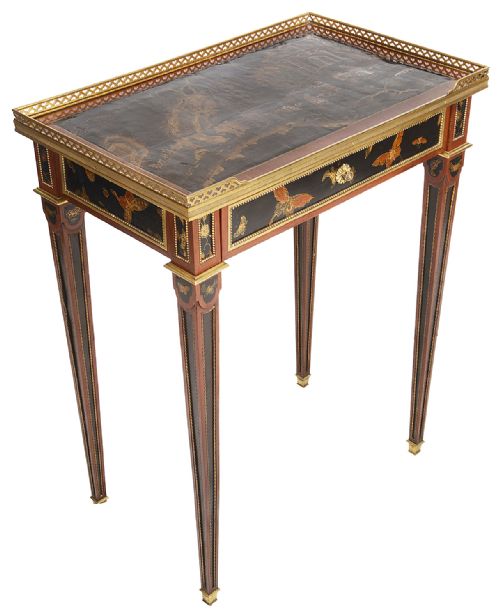
You are most likely to encounter twentieth-century interpretations, particularly pieces from nineteen twenty with French Louis revival or Chinoiserie decorative schemes. Nineteenth-century examples also appear, offering older painted surfaces and distinct regional European craftsmanship.
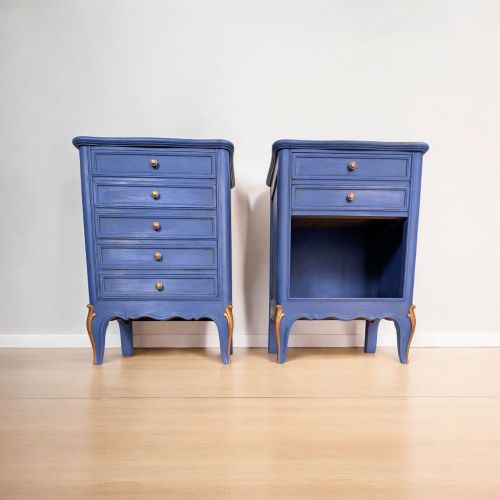
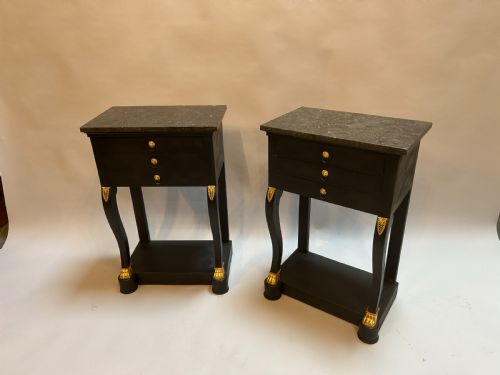
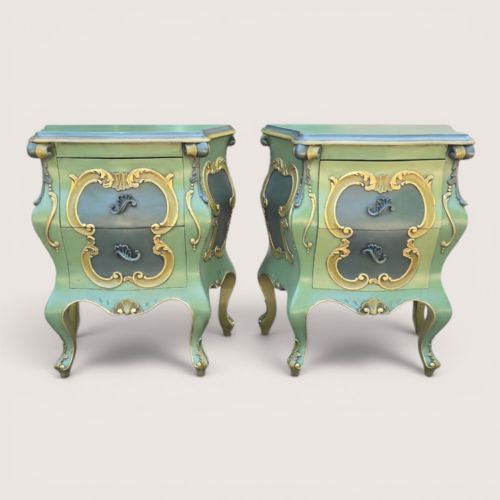
The selection includes matched pairs as well as individual occasional tables, side cupboards, and three-tier stands. Each piece serves primarily as a decorative bedside table or small cabinet that combines surface utility with historical style.
How they were made
Construction relies primarily on wood and painted wood, forming the structural carcasses of these small cabinets and chests. Artisans applied layers of paint to the timber surfaces before adding decorative gilding in gold leaf or gilt metal accents.
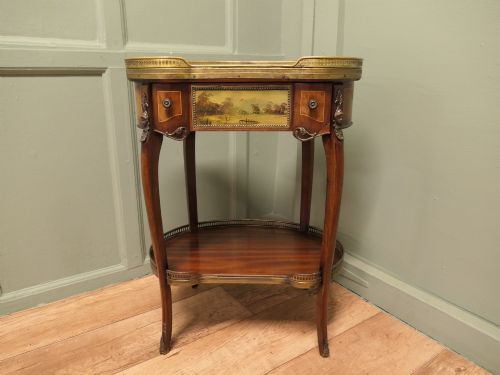
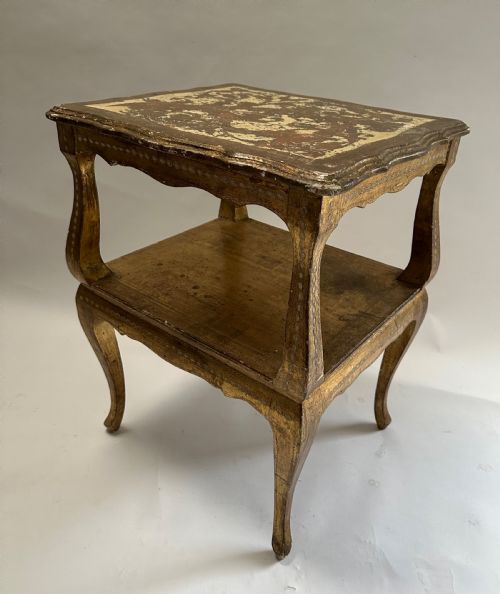
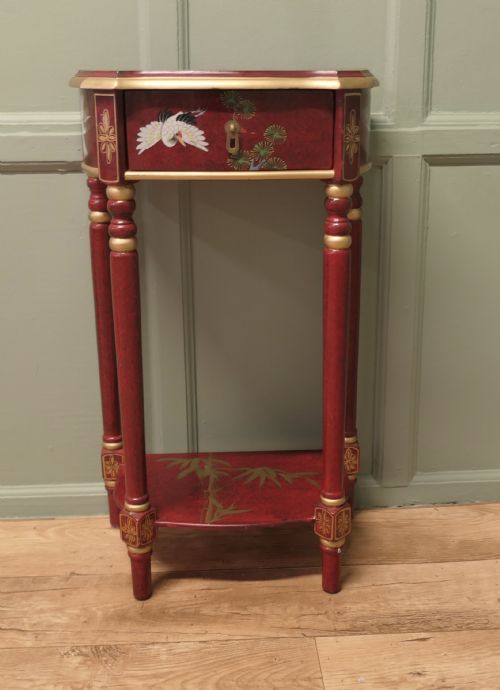
Surface ornamentation defines the group, utilising Chinoiserie lacquer techniques, Italian Rococo motifs, and French Empire design vocabulary. Additional materials such as marble tops and brass hardware occasionally appear to complete the classical aesthetic.
Gilt Painted Nightstand Retail Price Guide 2026
Typical asking prices for gilt painted nightstand among the pieces listed under this phrase on Sellingantiques today, from the lower quarter to the upper quarter. They describe what is for sale here now, not the wider market.
Listings span four distinct periods from the early nineteenth century through the nineteen thirties, featuring wood, marble, and brass.
What varies in quality
Quality differences lie in the finesse of the painted decoration and the crispness of the gilt detailing applied to the wooden structures. Pieces executed with hand-painted Chinoiserie motifs or intricate Florentine carving display a higher level of artisan skill than simpler commercial versions.
The integrity of the timber construction and the application of decorative surfaces separate standard production from finer examples. Selection of materials, such as the inclusion of inset marble or quality brass fittings, marks the distinction between everyday furniture and superior decorative pieces.
The Gilt Painted Nightstand Glossary
- Chinoiserie
- European decorative style inspired by Chinese art and design, featuring painted lacquer scenes and motifs. It became particularly popular in eighteenth-century furniture and was revived in later periods.
- Giltwood
- Timber that has been coated with a thin layer of gold leaf or gilt powder. This technique provides a luminous metallic finish often found on decorative mouldings and frames.
- Louis XV Revival
- Nineteenth and twentieth-century design style emulating the curved lines, asymmetrical cartouches, and floral ornamentation of the French mid-eighteenth century. It often incorporates painted and gilt finishes on small tables and cabinets.
- French Empire
- Neoclassical design movement from the early nineteenth century characterised by classical motifs, symmetry, and restrained grandeur. Pieces from this tradition often feature architectural forms and contrasting metallic details.
Gilt Painted Nightstand: Frequently Asked Questions
What is a gilt painted nightstand?
A gilt painted nightstand is a small bedside table or cabinet finished with decorative paintwork and metallic gilding. These pieces function as functional bedside storage while adding a distinct historical design element to a bedroom.
They originate from various European traditions and time periods, ranging from nineteenth-century occasional tables to twentieth-century revival chests.
How were these tables used originally?
These pieces served as bedside cabinets, lamp tables, or small side cupboards in domestic bedrooms and sitting rooms. They provided a convenient surface for lighting, reading materials, and personal items close to the bed.
Enclosed cupboards and drawer chests also offered discreet storage for nighttime essentials.
How do I identify a revival piece?
Revival pieces often date from the early twentieth century, mimicking older styles like Louis XV or French Empire. They combine historical decorative motifs such as gilding and painted lacquer with construction methods typical of that later era.
Examining the timber, interior construction, and wear patterns helps determine whether an item is nineteenth-century or a later revival.
Are these pieces sold as pairs?
Many listings feature matched pairs of bedside chests or lamp tables designed to sit symmetrically on either side of a bed. Single occasional tables and side cabinets also appear frequently for individual placement.
Pairs are particularly common among twentieth-century bedroom furniture sets.
What styles are common in these tables?
The selection encompasses several distinct European design movements including Chinoiserie, Italian Rococo, and French Empire. Each style brings specific decorative characteristics, from Asian-inspired lacquer work to classical European giltwood carvings.
These varied aesthetic influences reflect the diverse origins of the painted furniture.