

Gilt Ormolu Cabinet
When you search for a gilt ormolu cabinet, you find pieces defined by cast bronze mounts and rich timber surfaces designed to catch the candlelight.
Gilt Ormolu Cabinet
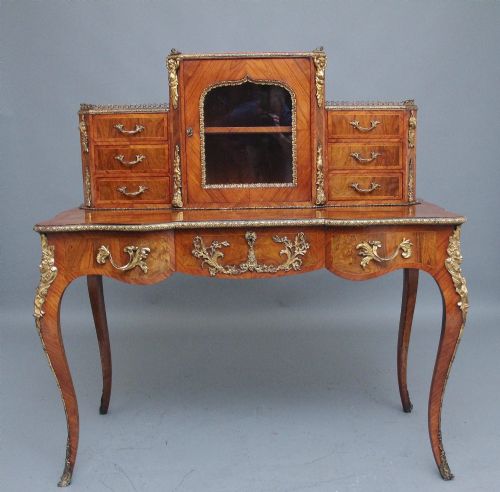
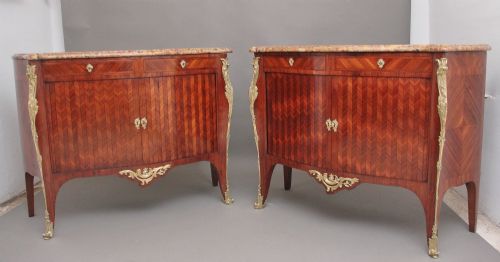
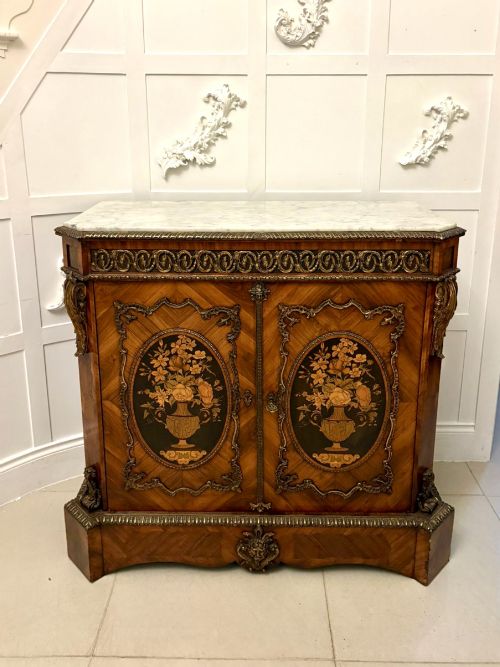
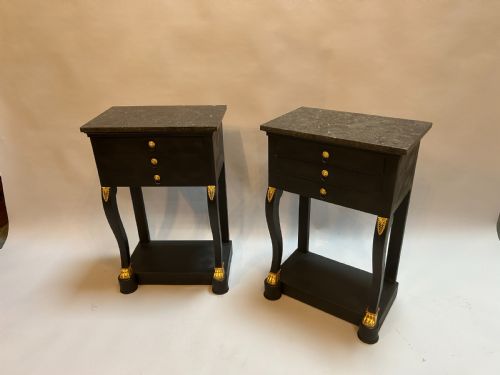
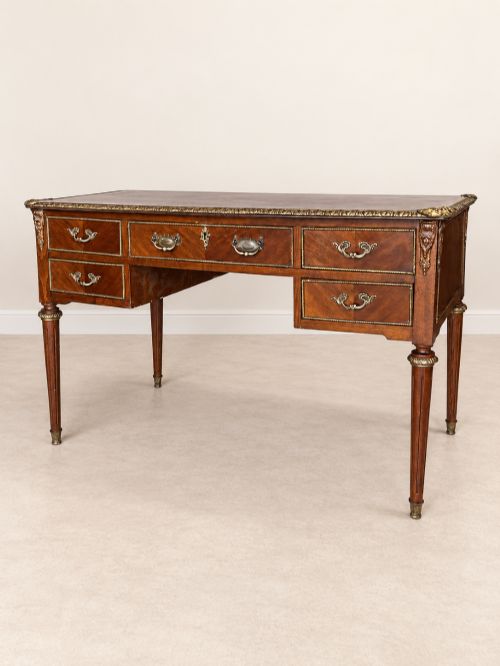
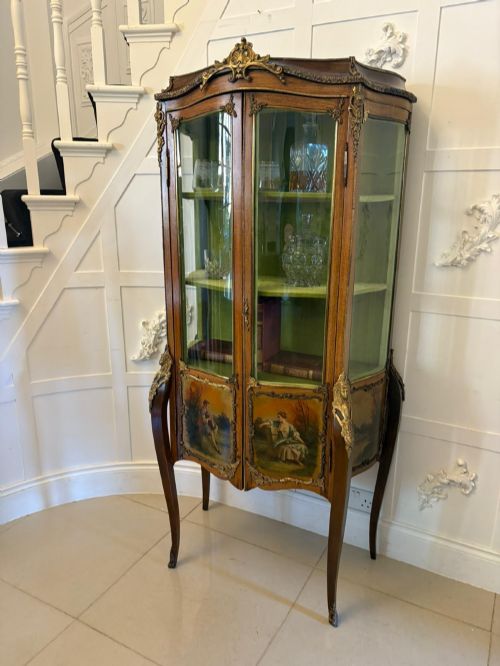
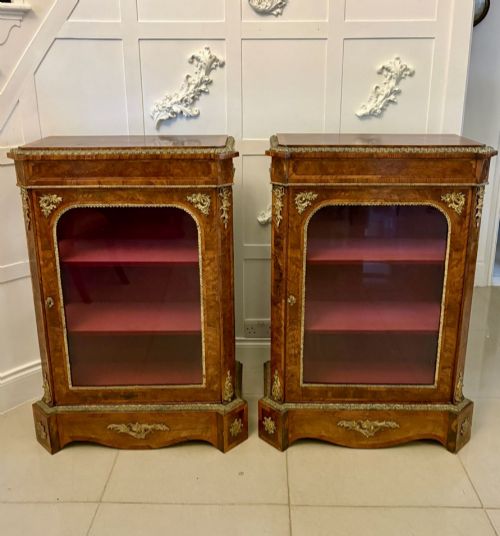
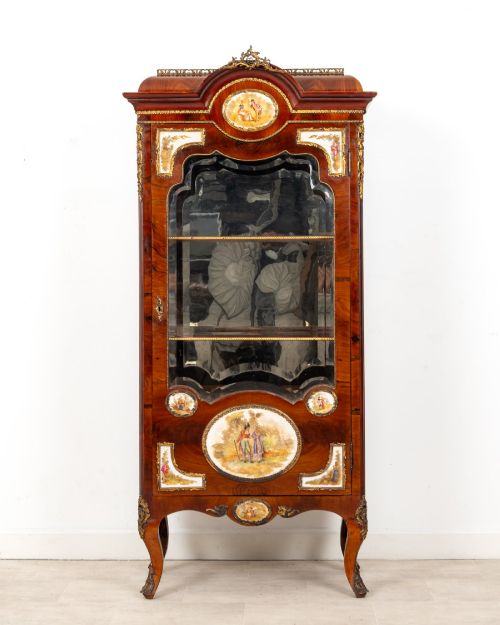
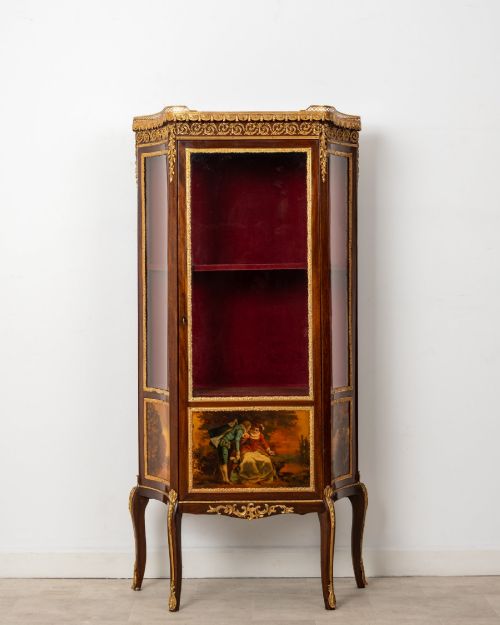
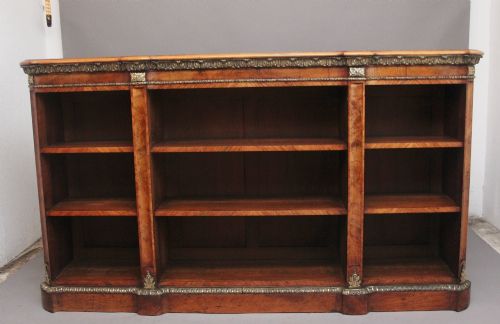
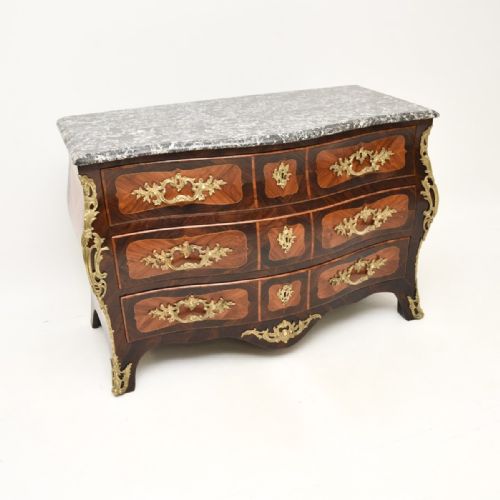
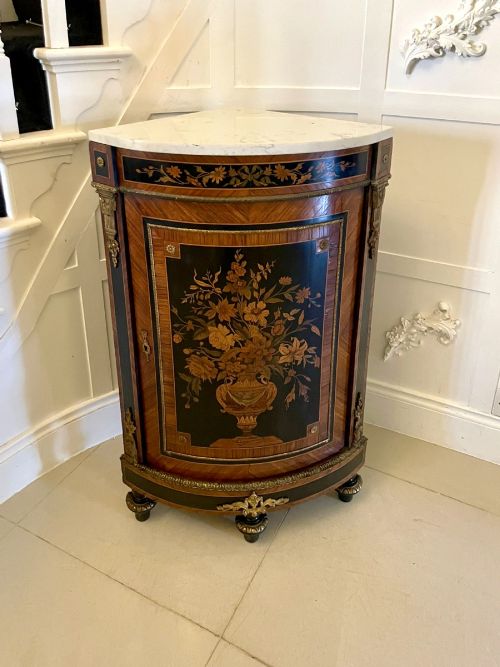
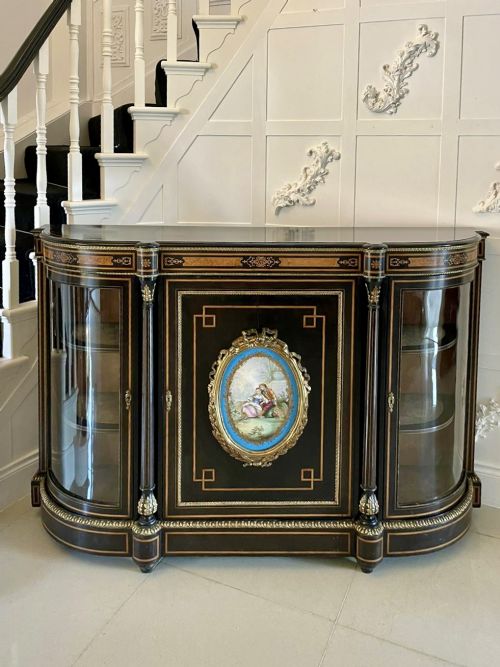
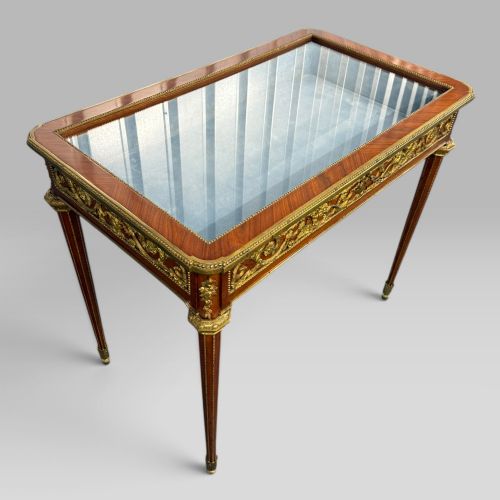
A gilt ormolu cabinet typically appears in forms such as credenzas, vitrines, commodes, and display cabinets originating from the nineteenth century and revival periods. These pieces serve to store valuables while displaying decorative mounts along the frieze and corners.
The selection leans heavily towards French and Victorian workshop production, incorporating marble tops, glazed doors, and marquetry panels. Buyers encounter pieces ranging from serpentine fronted credenzas to tall vitrines and corner cabinets.
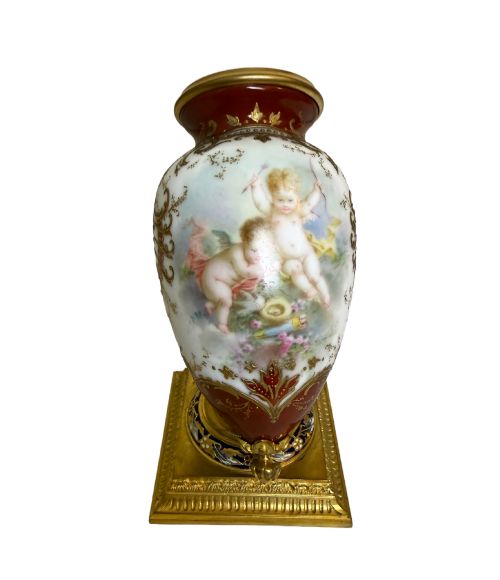
Vernis Martin finishes and porcelain plaques frequently accompany the ormolu mounts on these cabinets, pointing directly to continental tastes of the eighteen-eighties and nineteen-hundreds. Each form carries specific proportions intended for formal reception rooms.
Materials and Technique
Cabinetmakers built carcasses from hardwoods like walnut, mahogany, and kingwood, often applying intricate floral marquetry or parquetry veneers across the exterior surfaces. Marble slabs fitted to the upper surfaces provided durable, polished countertops for these display pieces.
Mounts of gilt bronze or ormolu were cast, chased, and fire-gilded before being secured to the timber frames with screws or pins. Glazing, mirrored backs, and hand-painted Vernis Martin panels completed the construction of the finer display vitrines.
Many a Victorian parlour once kept its prized ceramic knick-knacks safely locked behind these very glass doors.
Evaluating Craftsmanship
Quality rests primarily in the crispness of the bronze chasing and the depth of the fire-gilding on the ormolu mounts, which separates standard production from master workshop output. Sharper details in the acanthus leaves and scrolling frames indicate superior hand finishing.
The underlying cabinetwork demonstrates distinction through the alignment of timber veneers, the weight of the marble tops, and the integration of internal mahogany shelving. Cabinets bearing maker stamps from renowned ateliers command attention through their balanced proportions.
Johnstone and Jeanes·Jacques Bircklé·François Linke·Henry Dasson·Gillows·Edward Holmes Baldock·Maison Gagneau·E. Kahn
The Gilt Ormolu Cabinet Glossary
- Ormolu
- Gilt bronze mounts applied to furniture surfaces. The technique involves a mercury amalgam applied to cast bronze and heated to bond the gold.
- Vernis Martin
- A simulated Japanese lacquer developed in France during the eighteenth century. Artisans applied multiple resin coats to create translucent decorative panels.
- Marquetry
- Decorative patterns formed by fitting together thin slices of wood veneer. Craftsmen use contrasting timbers to create floral and geometric designs.
- Credenza
- A low dining or reception room cabinet enclosed by doors. These pieces often feature central mirrored sections and extensive bronze mounts.
- Vitrine
- A glass-fronted display cabinet intended for porcelain and small objects. The design maximises light penetration across internal shelves.
Gilt Ormolu Cabinet: Frequently Asked Questions
What rooms suit a gilt ormolu cabinet?
These cabinets suit formal drawing rooms, dining spaces, or entrance halls where their polished wood and metallic mounts catch the ambient light. They function well as focal points against neutral walls.
Placing them away from direct sunlight protects the delicate veneers and varnished panels from fading over time.
How do I clean ormolu mounts safely?
Maintenance requires only a soft, dry cloth to remove dust from the recessed areas of the cast bronze. Avoid abrasive polishes that strip the original gilding.
Professional conservation is recommended if tarnishing obscures the detail of the chased metalwork.
Are marble tops removable?
Marble slabs rest upon the wooden frames of these cabinets, held in place by their own weight or secured with plaster and wooden blocks underneath. They can usually be lifted off during transport.
Lifting requires multiple people to prevent chipping the polished edges against the cabinet structure.
How do I identify French revival pieces?
French revival cabinets display Louis XV or Louis XVI stylistic traits such as cabriole legs, geometric parquetry, and symmetrical ormolu swags. These pieces often date from the nineteenth century rather than the original royal periods.
Examining the internal construction timber and screw types helps confirm the actual manufacturing era.