



Gilt Metal Pedestal Table
These gilt metal pedestal table pieces bring French decorative classicism and polished metalwork into a room, offering both display space and sculptural presence.
Gilt Metal Pedestal Table
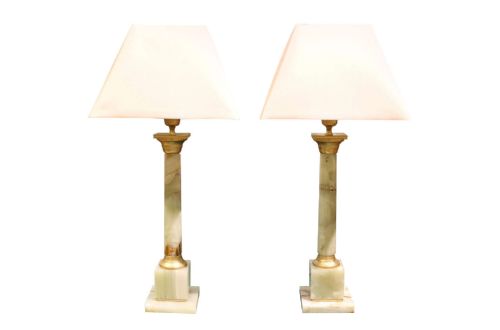
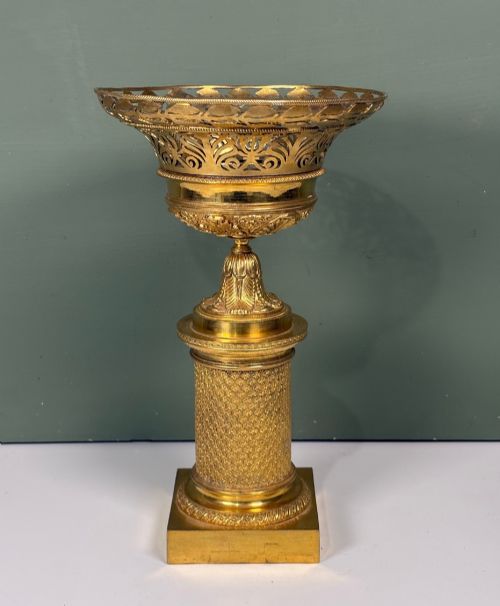
When you search for a gilt metal pedestal table, you are looking at small occasional furniture, bedside chests, and centre tables that use polished gilt bronze or ormolu mounts to elevate a simple wooden or marble structure. These pieces draw heavily on French neoclassical, Louis XVI, and empire designs, incorporating classic proportions and substantial cast metal detailing.
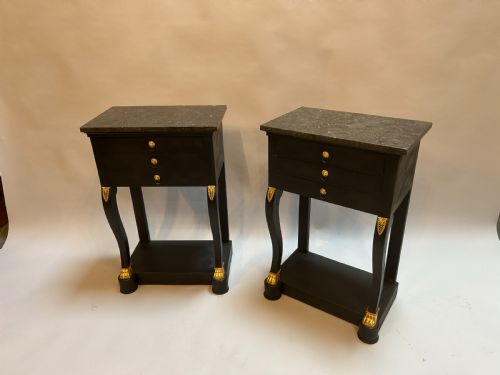
The versions you are most likely to meet on this page date from the nineteenth century through the early twentieth century, spanning Victorian interpretations and French revival styles. They appear frequently as small side tables with inset marble tops, or as compact bedside cabinets mounted with gilt metal enrichments.
Materials and construction
The construction relies on a combination of dense timbers such as mahogany, walnut, or ebonised wood paired with polished marble surfaces and cast metal mounts. Metalwork elements are rendered in ormolu, gilt bronze, or standard gilt metal, secured to the primary frame to accent corners, aprons, and legs.
Marble tops, often white or veined, sit within wooden frames or directly atop stone pillars, requiring careful stone-cutting and levelling. Woodworking techniques involve solid frames and turned pedestals, designed to support the heavy weight of inset stone and metal fittings.
Gilt Metal Pedestal Table Retail Price Guide 2026
Typical asking prices for gilt metal pedestal table among the pieces listed under this phrase on Sellingantiques today, from the lower quarter to the upper quarter. They describe what is for sale here now, not the wider market.
Design influences appearing across these pieces include French Empire, Louis XVI style, and the Aesthetic Movement.
Judgements of quality
Quality in these pieces depends heavily on the crispness and weight of the cast metal mounts rather than mere surface shine. Finer examples display deeply chased ormolu or gilt bronze with sharp relief work, whereas simpler pieces use stamped or lightly finished gilt metal.
The integration of the marble top and the density of the underlying timber also mark the distinction between standard production and higher workshop standards. Better examples show seamless joints, substantial stone slabs with natural figuring, and carefully turned wooden or bronze pedestals that remain stable under load.
The Gilt Metal Pedestal Table Glossary
- Ormolu
- Finely ground high-carat gold applied to a bronze base using a mercury amalgamation technique, or cast bronze finished to a golden appearance. It provides durable lustre on furniture mounts.
- Gueridon
- A small French round table supported by a central pillar or a set of legs. These pieces frequently feature marble tops and gilt metal mounts.
- Tazza
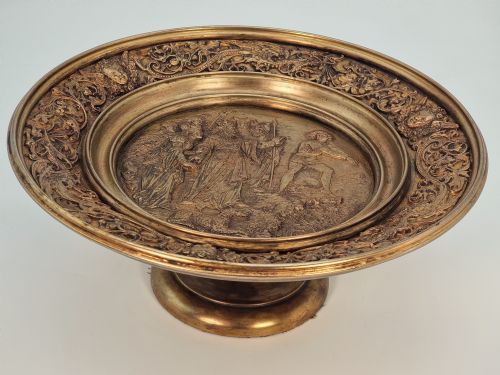
- A shallow ornamental vase or cup mounted on a stem and foot, often used as a centrepiece. These items incorporate decorative metalwork and sometimes enamel plaques.
- Ebonised wood
- Timber treated to resemble ebony through staining or finishing. It creates a dark contrast against bright gilt metal mounts.
Gilt Metal Pedestal Table: Frequently Asked Questions
What rooms suit a gilt metal pedestal table?
These pieces fit well beside seating in a drawing room or function as bedside surfaces in a bedroom, where their reflective metal mounts catch natural light.
Their compact footprints allow them to sit easily in corners or tight spaces without dominating the floor plan.
How do I clean the gilt metal mounts?
Dust the metal gently with a soft, dry brush to prevent the accumulation of grit in recessed cast details. Avoid harsh chemical polishes that can strip away the original gilding.
For the marble surfaces, use a damp cloth with mild soap and dry immediately to protect the stone from staining.
Are these tables sturdy enough for daily use?
Most examples are structurally sound for holding small lamps, books, or decorative objects, though their heavy marble tops require care during relocation.
Avoid dragging them across uneven flooring, as stress on the central pillar or leg joints can weaken the frame over time.
How do I distinguish nineteenth-century pieces?
Nineteenth-century examples often display hand-chased bronze work, natural timber shrinkage in the framing, and heavy stone tops rather than modern composite substitutes.
Examine the mounting screws and the depth of the casting to understand the period manufacturing methods used.