

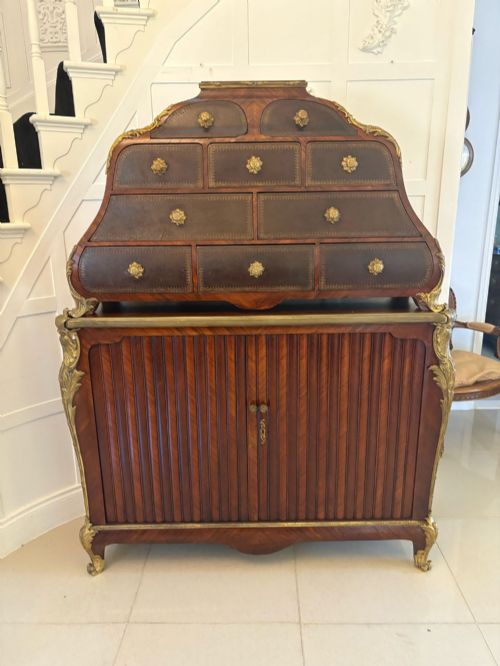
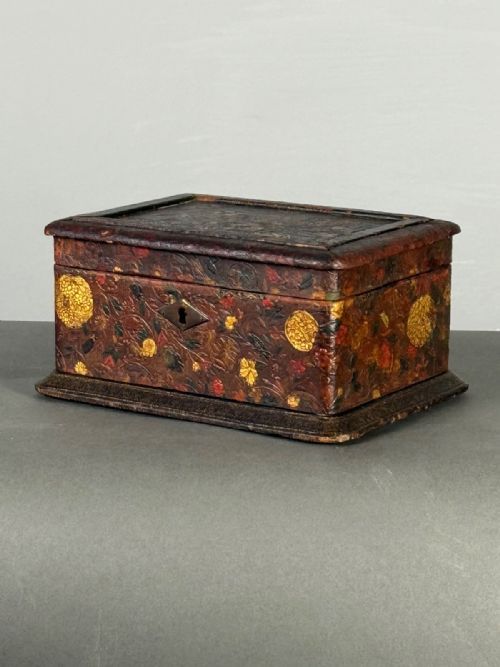
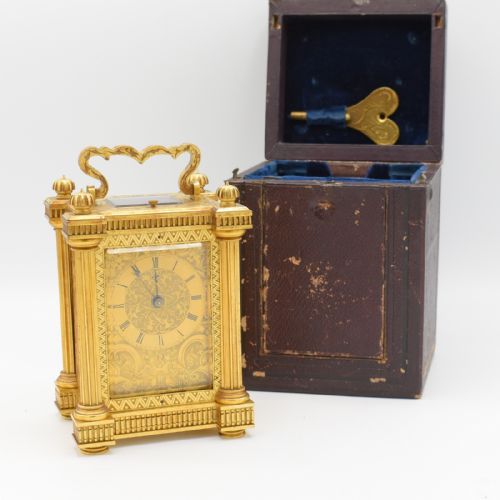
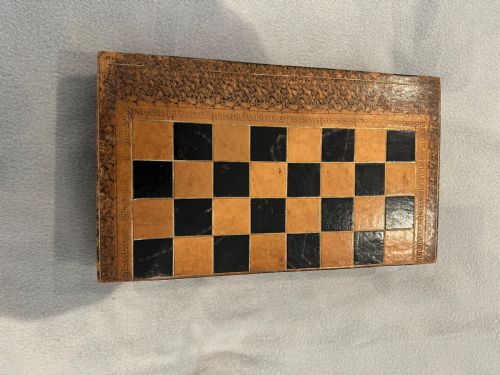


Gilt Leather Box
A gilt leather box brings tactile warmth and gold-tooled elegance to a desk, holding everything from games boards to scent bottles.
Gilt Leather Box
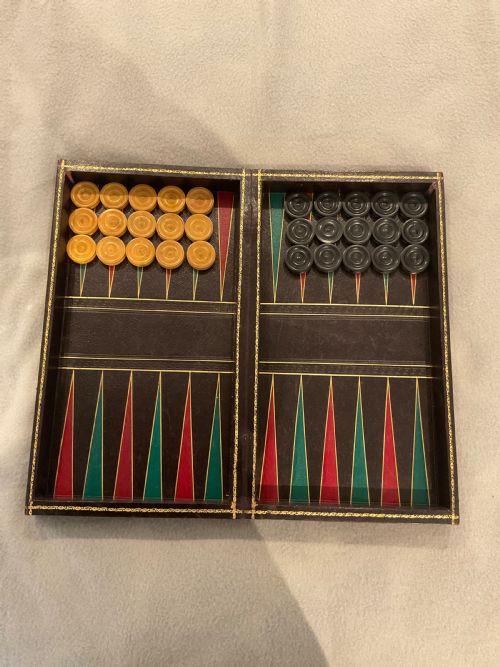
A gilt leather box is typically formed of a rigid wooden core encased in leather, then embellished with gold leaf tooling. When you search for a gilt leather box, you encounter pieces designed to serve specific domestic or travel functions, ranging from small trinket containers to substantial writing slopes and games boards.
Victorian and nineteenth-century examples dominate the selections, alongside Edwardian and Regency pieces. These items often take the form of faux books, caskets, or fitted dressing cases lined with velvet or silk.
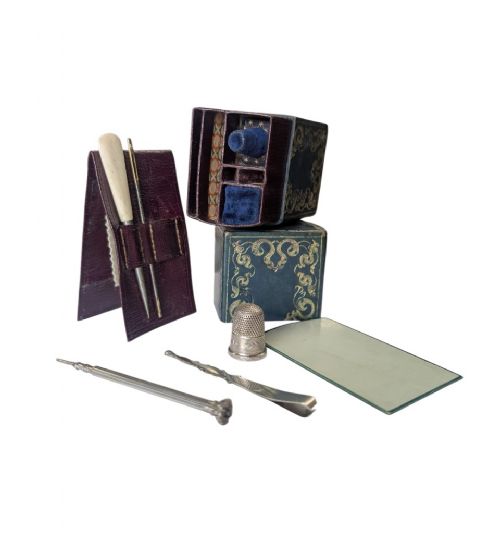
Origins span traditional English workshops and French studios, including pieces stamped by known makers and retailers. The functional variety is wide, taking in sewing boxes, stamp cabinets, and miniature work-boxes.
How they were made
Makers built the foundational structure using timber, cardboard, or reinforced cartoner, then wrapped the exterior in skins such as Moroccan or Russia leather. Surfaces were decorated using heated brass tools and gold leaf to press intricate gilt tooling into the hide.
Mounts, locks, and hinges of brass, ormolu, or gilt bronze were fitted to secure the lids and drawers. Interiors were frequently lined with glass, velvet, or silk, sometimes accommodating fitted glass scent bottles or silver-gilt implements.
Gilt Leather Box Retail Price Guide 2026
Typical asking prices for gilt leather box among the pieces listed under this phrase on Sellingantiques today, from the lower quarter to the upper quarter. They describe what is for sale here now, not the wider market.
Object forms range from miniature work-boxes and carriage clock cases to faux book games boards.
What varies in quality
The crispness and depth of the gold tooling separate ordinary boxes from superior examples. Finely executed hand-tooling retains sharp edges and brilliant metallic lustre, whereas worn or rubbed gilding diminishes visual appeal.
The quality of the underlying construction, from the choice of timber to the presence of functioning Bramah locks and original velvet linings, defines the grade of the piece. Maker signatures and stamped retailer names on the leather or brass hardware elevate the standing of a box.
Nathaniel Mills·P and F Shafer·Victor Raulin·Howell and James·Susse Freres·Fitzmaurice West
The Gilt Leather Box Glossary
- Gilt tooling
- The technique of impressing heated metal stamps into leather with gold leaf or powder. This process creates the decorative metallic patterns seen on bindings and boxes.
- Faux book
- An object constructed to resemble a volume of literature but functioning as a container. These were popular in the nineteenth century for concealing games boards or spirits.
- Ormolu
- Gilt bronze mounted onto furniture and boxes for decorative effect. The technique involves applying a mercury and gold amalgam to bronze.
- Cartonnier
- A decorative cabinet or case fitted with drawers or compartments for papers. These were often covered in tooled leather to resemble stacked volumes.
- Vinaigrette
- A small ornamental box featuring a pierced internal grille containing a sponge soaked in aromatic vinegar. They were frequently housed in protective leather cases.
Gilt Leather Box: Frequently Asked Questions
What were gilt leather boxes used for originally?
These boxes served practical and decorative roles in nineteenth-century homes, containing writing materials, sewing implements, or gaming counters.
Many were tailored for travel, housing scent bottles, shaving gear, or jewellery to accompany the owner on journeys.
How do I distinguish a Regency box from a Victorian one?
Regency pieces often display specific hide treatments like red Russia leather and restrained neoclassical proportions.
Victorian examples frequently embrace revival styles, heavier brass mounts, or elaborate faux book designs intended for the library shelf.
Are the locks on these boxes usually functional?
Many retain their original brass locks, sometimes bearing maker stamps like Bramah, which were noted for security.
Keys are occasionally absent, so checking individual listings confirms whether a key is present and operating.
How should I clean the leather and gold tooling?
Leather surfaces require minimal intervention, benefiting mainly from gentle dusting and occasional specialist wax conditioning.
Gold leaf tooling is fragile and must be kept away from moisture and abrasive cleaners to preserve the metallic shine.