





Gilt Gesso Framed Art
These gilt gesso framed art pieces combine oil paint, canvas and timber, offering period portraits and landscapes ready to hang.
Gilt Gesso Framed Art
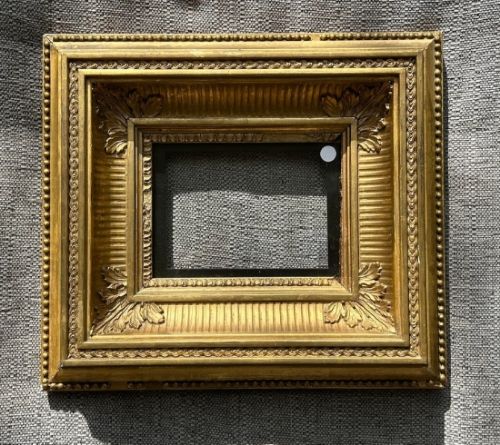
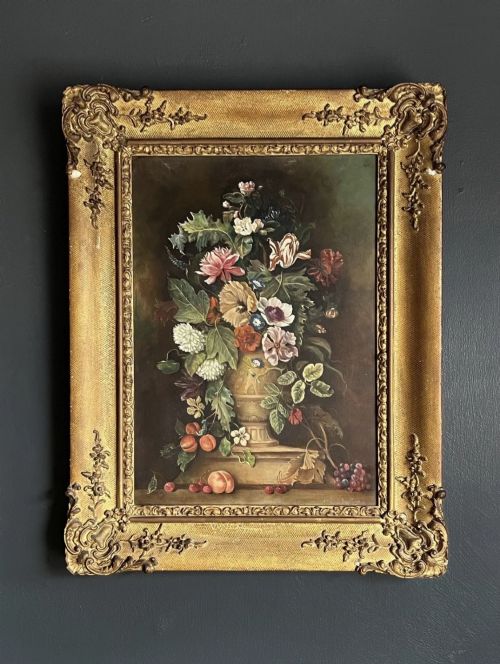
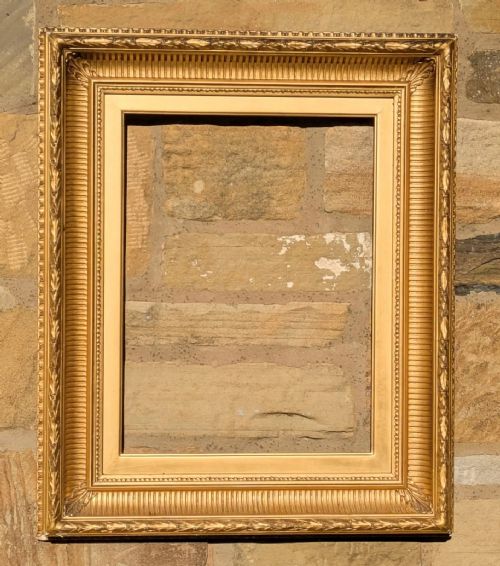
When you search for gilt gesso framed art, you encounter a selection of framed oil paintings, portraits and empty picture frames dating from the nineteenth century into the early twentieth century. These works range from Dutch Golden Age style flower compositions and landscape scenes to formal gentleman and lady portraits.
You are most likely to meet nineteenth century Victorian pieces on this page, including swept picture frames, square landscape settings, and oval glazed mirror frames. The selection balances decorative wall art with standalone frames designed to house oil on board or canvas works.
How they were made
Makers built these pieces using timber and carved pine as a foundation, applying layers of gesso to sculpt detailed surface ornamentation before applying gold leaf or silver gilt. This build method allowed artisans to create high relief mouldings, swept curves and rococo revival motifs.
Artists painted oil on canvas or oil on board to create the visual subjects, securing the completed works inside the moulded and gilded wooden surrounds. Glass elements appear in specific mirror frames and glazed picture settings.
Gilt Gesso Framed Art Retail Price Guide 2026
Typical asking prices for gilt gesso framed art among the pieces listed under this phrase on Sellingantiques today, from the lower quarter to the upper quarter. They describe what is for sale here now, not the wider market.
A bearded Victorian gentleman stares out alongside a threatening storm landscape, proving that nineteenth century weather was just as moody indoors.
What varies in quality
The standard of these pieces depends upon the crispness of the gesso moulding and the preservation of the original gold leaf or gilt surface. Superior examples retain deep relief details without heavy overpainting, while simpler items show softer contours.
The artistry of the oil painting itself defines the upper tier of the range, separating decorative empty frames from signed original canvases and finely executed Victorian portraiture.
The Gilt Gesso Framed Art Glossary
- Gesso
- A plaster mixture applied to wood surfaces to create a smooth base for gilding and carving. It takes fine detail well.
- Giltwood
- Timber that has been coated with gold leaf or a gold coloured finish. It provides a luminous border for paintings.
- Swept frame
- A picture frame featuring curving, undulating mouldings that typically swell at the corners and centres. This style gained popularity during the nineteenth century.
- Oil on board
- A painting executed on a stiff cardboard or panel support rather than stretched fabric. It offers a stable surface for detailed brushwork.
Gilt Gesso Framed Art: Frequently Asked Questions
How do I date a gilt gesso frame?
Examine the timber construction, the style of the gesso mouldings, and the materials used at the back of the frame. Nineteenth century pieces often show hand carved elements and period fixings.
Compare the framing style with known Victorian or art nouveau design patterns represented in the listings.
Can I replace the painting inside the frame?
Many antique frames can accommodate alternative canvas or board sizes if the internal dimensions match your artwork. Ensure you check the rebate measurements carefully before fitting a new piece.
Retaining original paintings alongside their period frames keeps the historical pairing intact.
How should I clean a gilded gesso frame?
Dust the surface gently with a soft, dry brush to remove settled particles without disturbing the delicate gold leaf. Avoid liquid cleaners or chemical agents that can strip the gilt finish.
Professional conservators handle deeper cleaning if the gesso shows signs of instability.
What is the difference between gesso and giltwood?
Gesso acts as the preparatory plaster layer applied to wood to form sculpted decorative relief. Giltwood refers to the finished timber object covered in gold leaf.
Many frames utilise both materials by building ornament in gesso before applying the final gilt layer.