

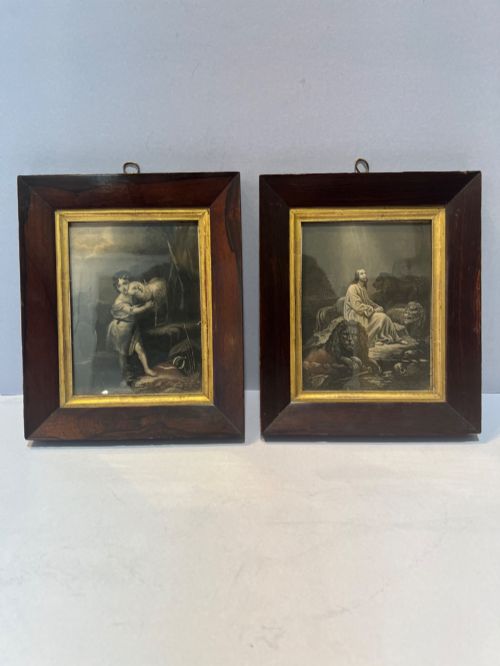
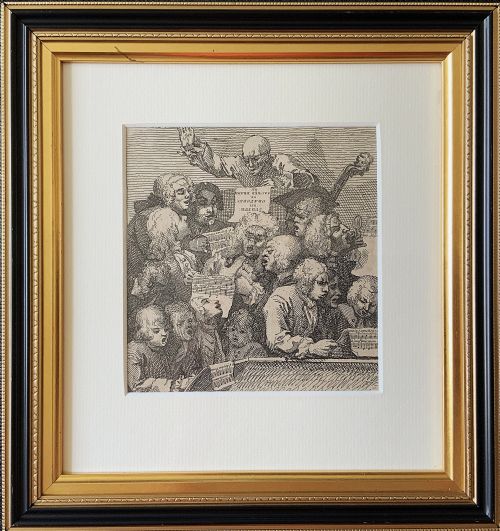

Gilt Framed Etching
A gilt framed etching combines fine ink work on paper with the warm, reflective border of a gilded moulding to anchor a room.
Gilt Framed Etching
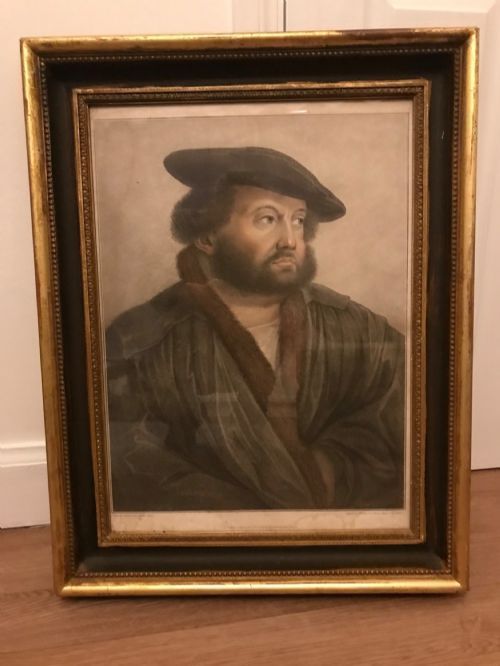
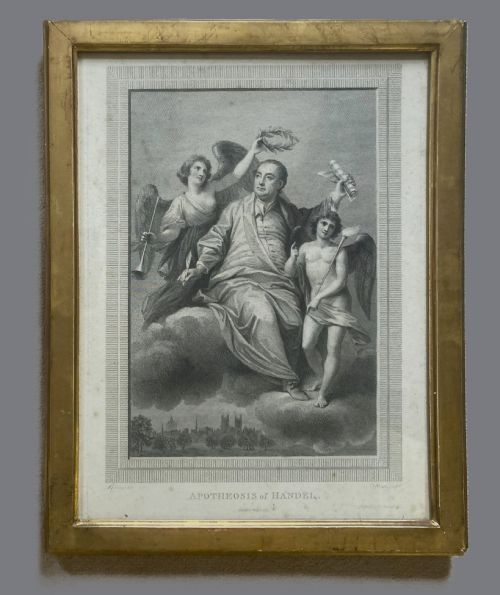
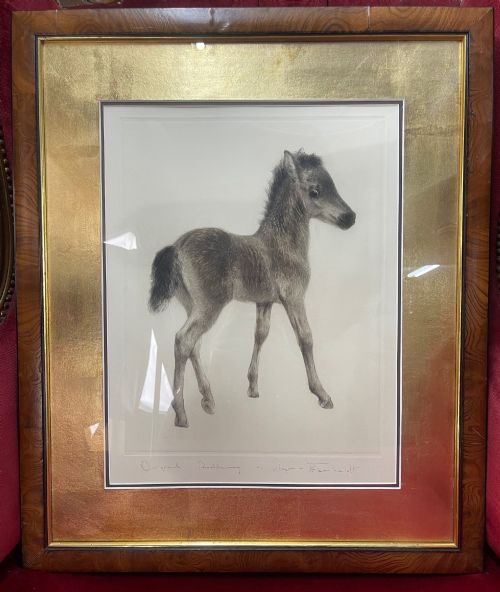
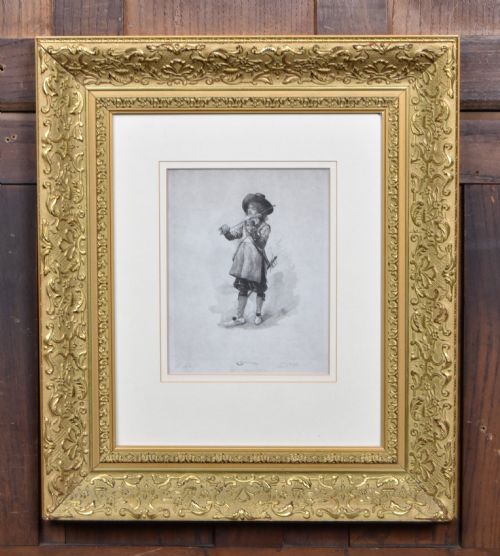
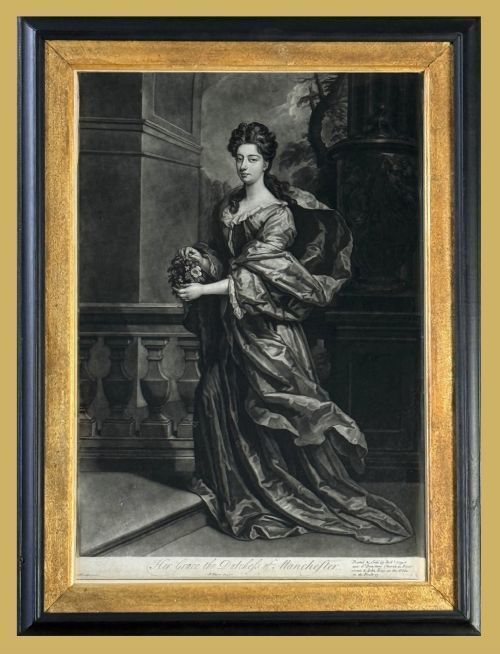
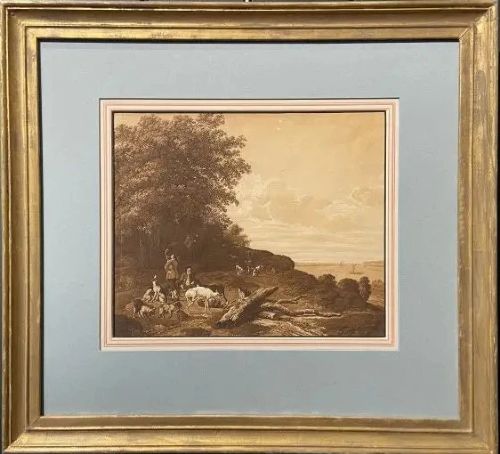
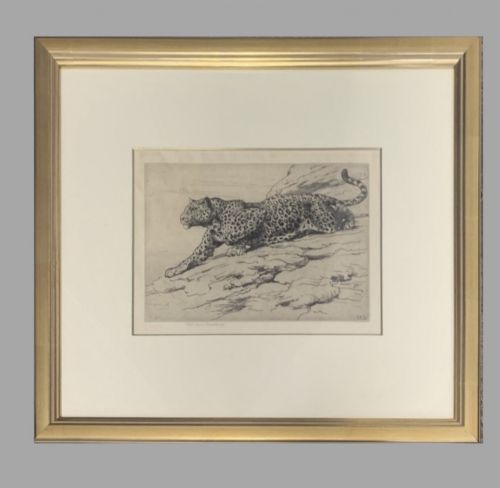
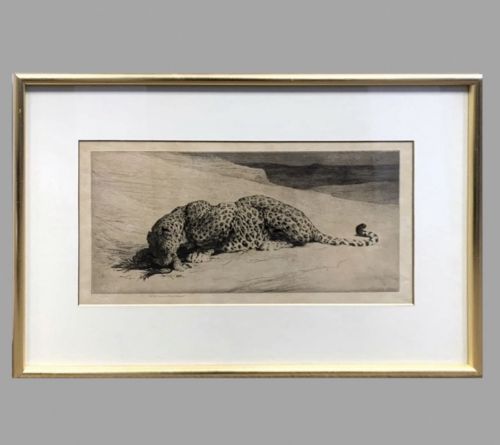
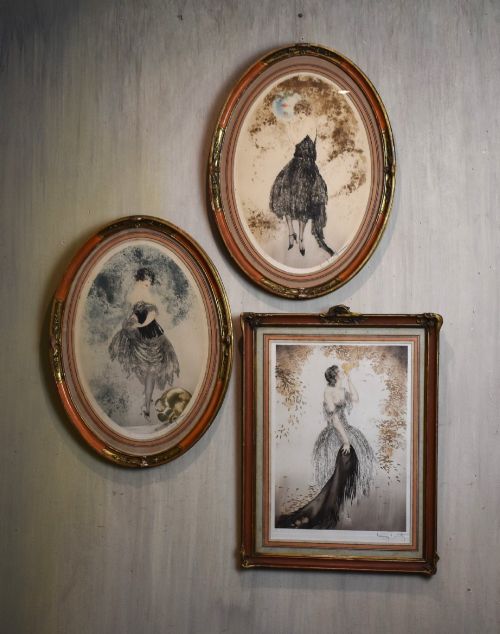
When you search for a gilt framed etching, you encounter works on paper housed in carved wood or gesso frames finished with gold leaf or metallic paint. These pieces span centuries, including prints by artists such as Herbert Dicksee alongside eighteenth-century portraiture and classical subjects.
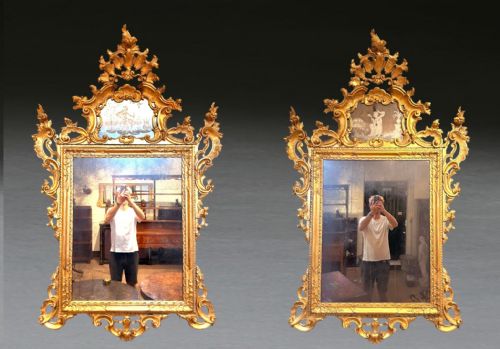
The selection on this page ranges from early twentieth-century drypoints to eighteenth-century plates, often utilising styles from the Georgian, Victorian and Art Deco periods. Many items pair the graphic quality of ink on paper with ornate frames influenced by Rococo and Neoclassical design.
The category also encompasses related works on paper, such as stipple engravings, mezzotints and lithographs, presented uniformly within their metallic surrounds. Buyers select these items to bring period character and linear detail to interior spaces.
Materials and construction
The underlying works utilise paper as the primary support for ink, drypoint, and etching techniques, capturing fine lines pressed from metal plates. Glazing protects these delicate surfaces from dust and environmental moisture.
Frames are constructed from wood, frequently enhanced with gesso layers moulded into scrollwork, beadings or floral motifs. Guilders then applied gold leaf or metallic finishes to create the distinct reflective borders.
Makers shaped these frames according to prevailing aesthetics, employing carving, casting and joinery methods appropriate to the seventeenth, eighteenth, nineteenth and early twentieth centuries.
Listings span multiple centuries, uniting seventeenth-century plates with twentieth-century drypoints within wood, glass, and gold leaf.
Factors of quality
Quality rests significantly upon the crispness of the impression left by the plate, where deeper ink transfer yields greater tonal depth in the lines. Early impressions retain sharper detail before the metal matrix wears down.
The integrity of the frame matters equally, with hand-carving in wood outperforming mass-moulded compositions in longevity and definition. Original gilding showing natural ageing displays more character than later repainting.
The preservation of the paper support, free from excessive toning or foxing, preserves the visual balance between the artwork and its surrounding mount and frame.
Francesco Bartolozzi·Herbert Dicksee·Louis Icart·William Hogarth
The Gilt Framed Etching Glossary
- Drypoint
- A printmaking technique where an artist scratches a design directly onto a metal plate with a sharp needle, producing a velvety line from the displaced metal burr.
- Etching
- A process where acid bites lines into a metal plate that has been covered with a protective ground, creating the recesses that hold ink for printing.
- Gesso
- A plaster-like mixture applied to wood frames to create a smooth surface suitable for carving or applying gold leaf.
- Stipple engraving
- A method of creating prints using a pattern of dots rather than continuous lines, often employed for soft flesh tones and portraits in the eighteenth century.
- Mezzotint
- A tonal printmaking method where the metal plate is roughened uniformly to produce dark areas, then scraped and burnished to create highlights.
Gilt Framed Etching: Frequently Asked Questions
How do I care for a gilt framed etching?
Keep the piece away from direct sunlight to prevent the paper from fading and the ink from degrading over time. Maintain stable indoor humidity levels to protect both the wooden frame and the delicate paper substrate.
Dust the frame gently with a dry, soft cloth rather than chemical polishes that can damage the gilded surface. Ensure the glass remains intact to shield the print from airborne pollutants.
What is the difference between an etching and an engraving?
An etching relies on acid to bite lines into a metal plate, resulting in free-flowing strokes with varied edges. An engraving uses a sharp hand tool called a burin to cut lines directly into the metal, creating precise, clean paths.
Both techniques appear frequently within period frames, though they produce distinct visual textures upon the paper.
How can I tell the period of the frame?
Examine the construction methods visible on the reverse of the frame, including corner joints, fixings and the type of wood used. Eighteenth and nineteenth-century frames often feature hand-carved details or composition ornaments applied over timber.
Stylistic cues such as Rococo asymmetry or Neoclassical symmetry also provide reliable indicators of the era in which the frame was built.
Are these prints original works of art?
Printed works like etchings and drypoints are original pieces of art created by the artist working directly on the printing plate. The resulting impressions are pulled in limited numbers, often signed in pencil by the maker.
This distinguishes them from modern mechanical reproductions, as each sheet carries the physical evidence of the press and the plate.