

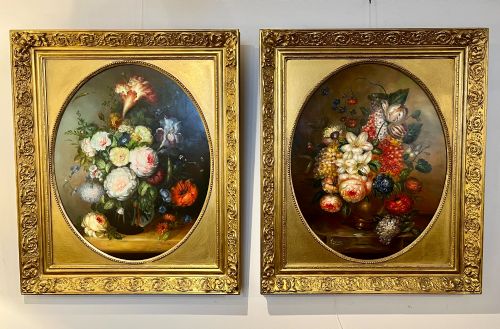
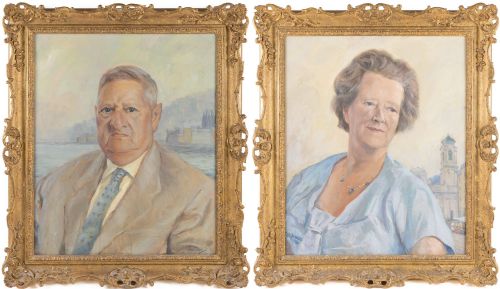
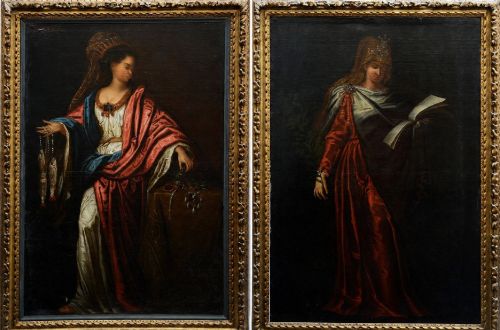
Gilt Framed Artwork Pair
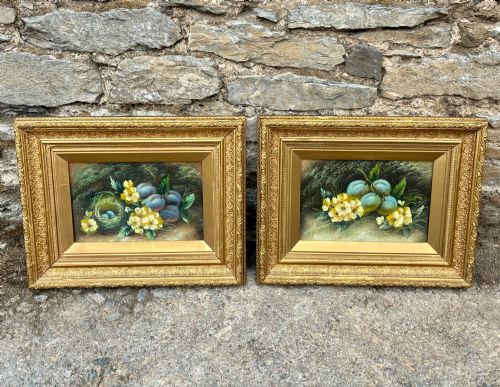
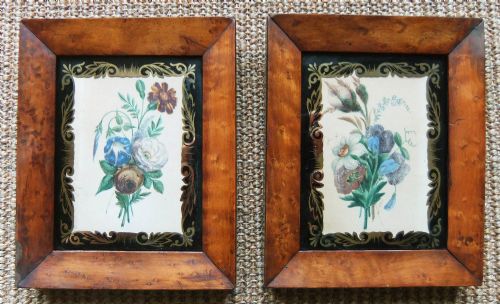
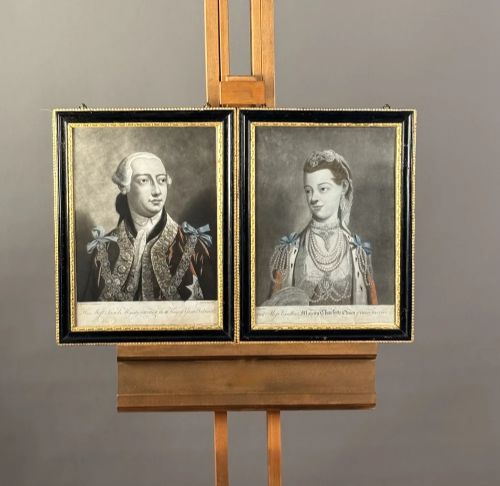
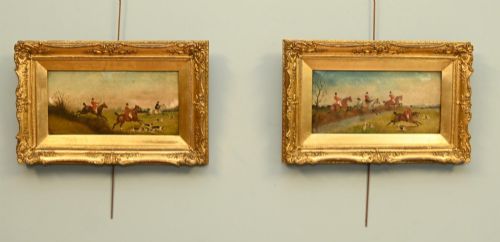
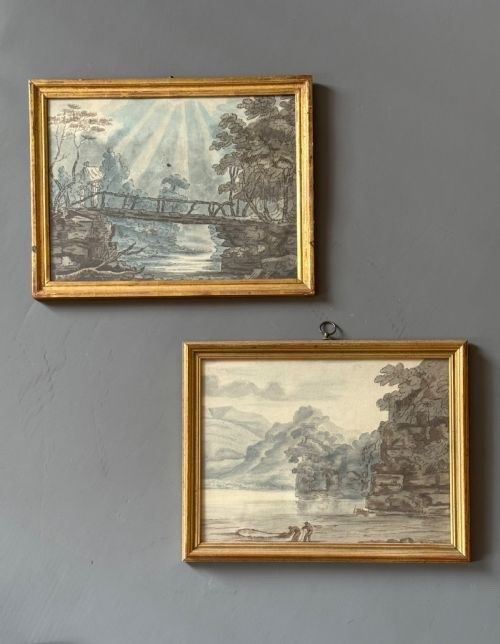
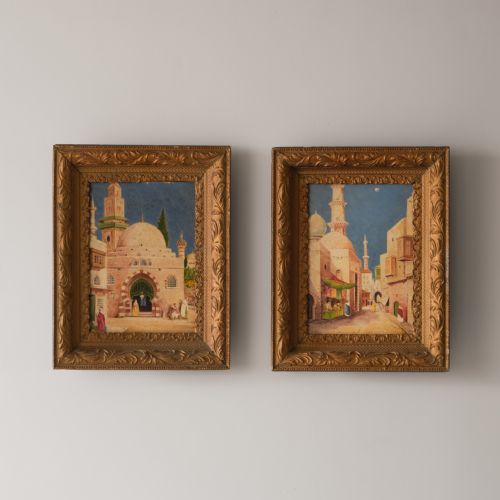
These gilt framed artwork pair selections offer matching compositions in gilded surrounds, bringing balanced symmetry and period character directly to wall spaces.
Gilt Framed Artwork Pair
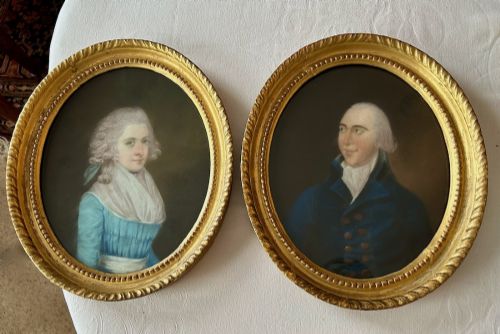
A gilt framed artwork pair comprises matching visual pieces housed in gilded surrounds, designed to hang together as a unified composition. These matched sets frequently emerge from the eighteenth and nineteenth centuries, spanning portraiture, landscape, and classical subjects.
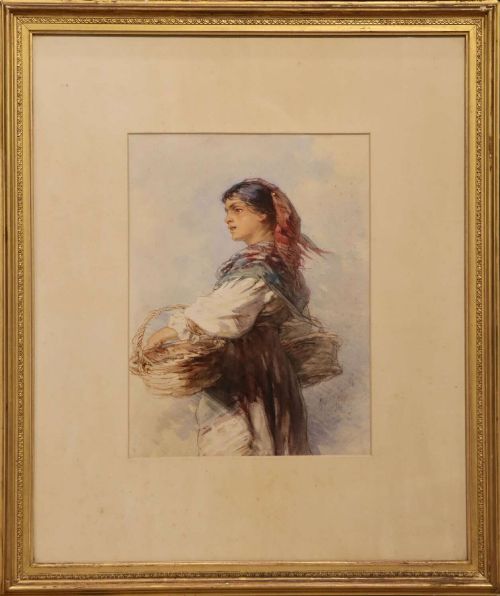
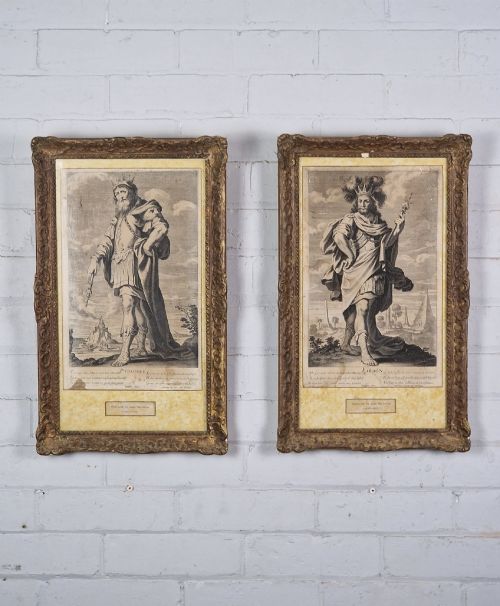
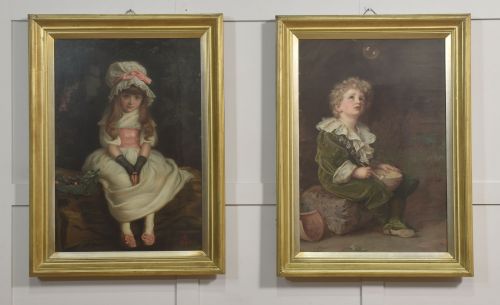
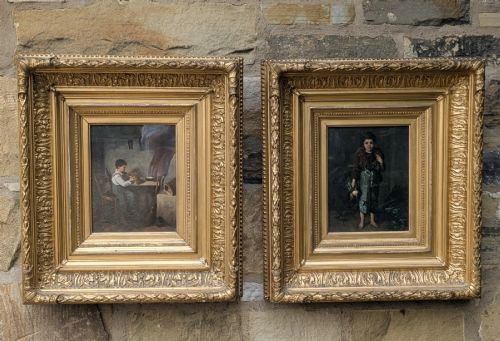
The selections on this page encompass oil paintings on canvas or board, delicate pastels on paper, watercolours, and early engravings. Buyers commonly encounter Victorian and eighteenth-century examples alongside early twentieth-century interpretations.
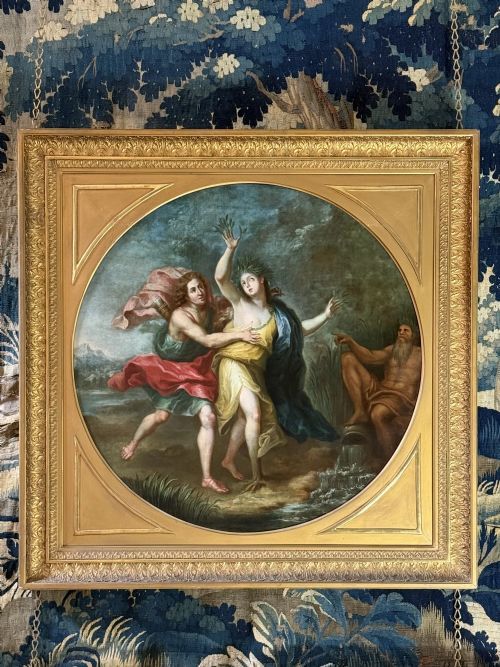
Origins stretch across British, French, Dutch, and Italian schools, showing diverse domestic and formal subjects from children and animals to mythological figures and coaching scenes.
How They Were Made
Makers utilised wood as the primary foundation for frames, shaping mouldings and applying gilt layers to create reflective metallic finishes. Canvases, paper sheets, and wooden boards served as supports for oil paint, pastel, watercolour, ink, and printed media.
Techniques range from oil on canvas and board to pen and ink drawings, pastel portraits, and engraved prints after notable artists. Frames vary from swept gilt designs to classic wooden mouldings finished with gold leaf or metallic paint.
Even historical chickens and farmyard animals get their moment in matching gilt frames.
What Varies in Quality
Quality rests in the execution of the primary medium, whether the handling of oil paint by a listed hand or the precision of a period pastel portrait. Superior examples show confident draughtsmanship and careful preservation of the paper or canvas.
The construction and original gilding of the surrounding frame contribute significantly to the overall merit of the pair. Matched survival of both pieces in coherent condition elevates the standing of the set.
Charles Antoine Coypel·Jean Mariette·Emily Eyres·Adam Buck·Manuela Bonati·Robert Cleminson·Johann Friedrich Voltz·John Moore of Ipswich·Philip Rideout·Theodore Jensen·John Frederick Herring Snr·Sir Thomas Lawrence·Claude Cardon·Abraham Hulk I·Alexander Rosell·John Grenville Fennell
The Gilt Framed Artwork Pair Glossary
- Giltwood
- Wood that has been coated with gold leaf or a gold-coloured metallic finish. This material provides the characteristic reflective border seen on period frames.
- Pastel
- A medium consisting of powdered pigment combined with a binder and pressed into sticks. These works on paper require glass protection to prevent the pigment from smudging.
- Naive Art
- Artistic work produced by someone without formal training, often characterised by a charming directness in perspective and proportion. Such pieces frequently depict local scenes or straightforward portraits.
- Engraving
- A printmaking technique where an image is incised into a metal plate, which is then inked and pressed onto paper. Multiple matching prints were often produced this way to form decorative sets.
Gilt Framed Artwork Pair: Frequently Asked Questions
How should I hang a pair?
Hang them at eye level with consistent spacing between the frames to maintain visual balance. Symmetrical placement allows the matching subjects to anchor a wall effectively.
Ensure the hanging hardware secures both weight and alignment so the pair remains level over time.
Were these always sold together?
Many pairs were conceived, executed, and framed simultaneously by artists to adorn drawing rooms or galleries as matching complements. Others became paired later in their history due to similar subjects and framing styles.
Examining the backing boards and frame construction often reveals whether the pairing is original or assembled subsequently.
How do I care for gilt frames?
Dust gilt frames gently with a soft, dry brush to prevent accumulation without disturbing the delicate metallic surface. Avoid liquid cleaners or chemical agents that can strip the gold leaf.
Keep the pieces away from direct sunlight and excessive humidity to protect both the artwork and the wooden frame structure.
What subjects are most common?
Portraits of children, couples, and historical figures appear frequently among the listed works. Landscapes, maritime scenes, and still life compositions also recur across different centuries.
Classical themes and narrative pairs provide variety for collectors seeking specific historical motifs.