
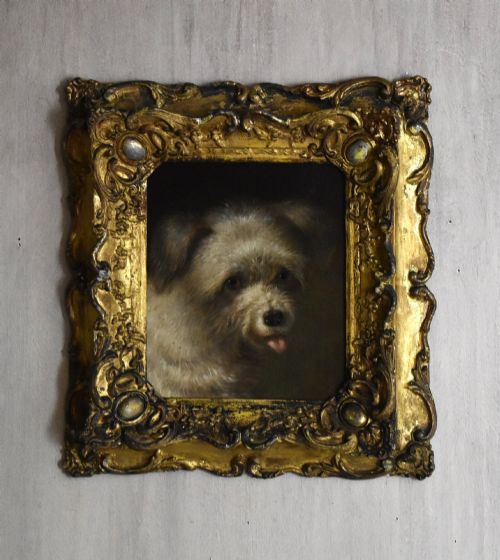
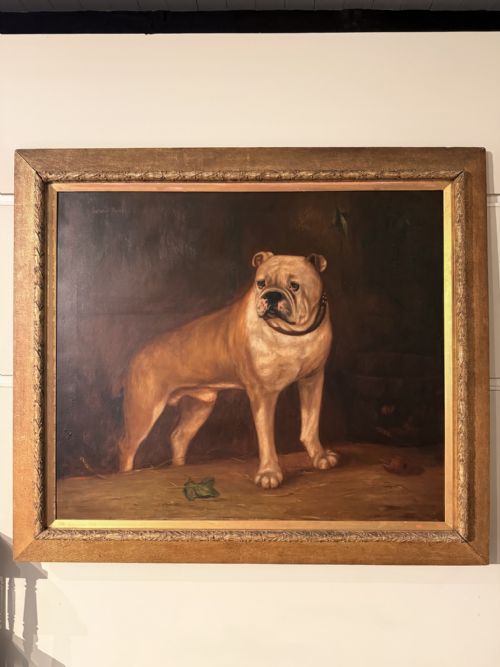
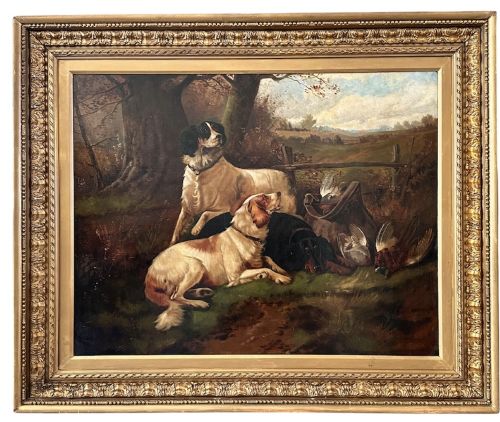
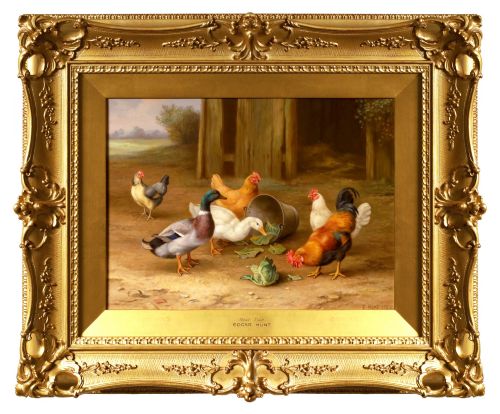
Gilt Framed Animal Art
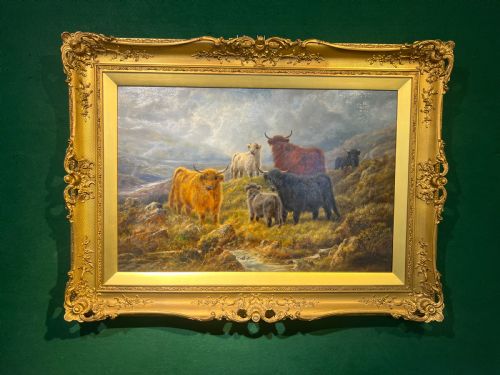
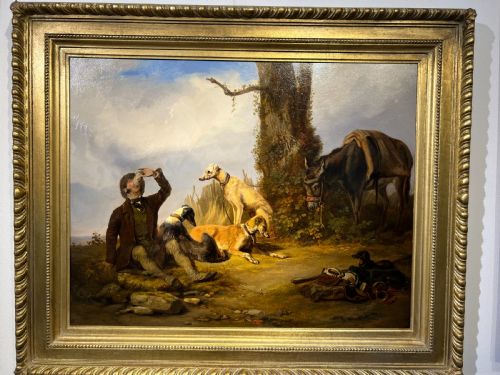
Gilt framed animal art brings together historical portrayals of livestock, hounds and household pets enclosed in gilded wooden surrounds.
Gilt Framed Animal Art
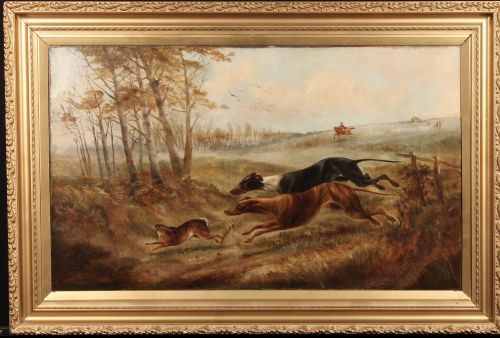
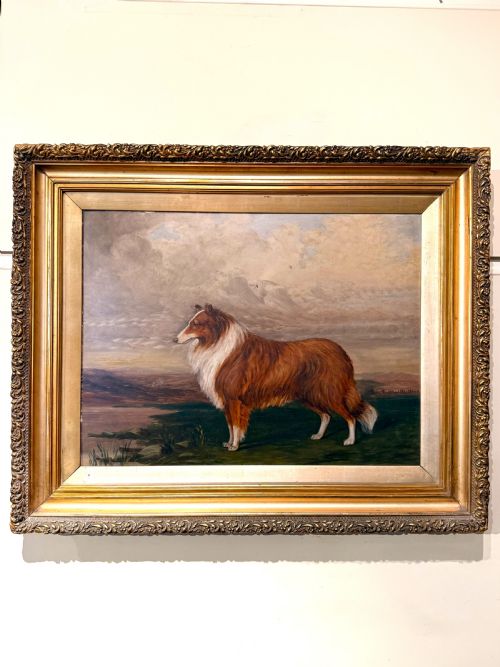
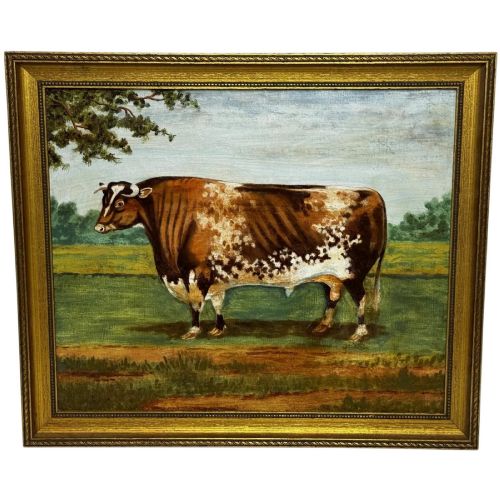
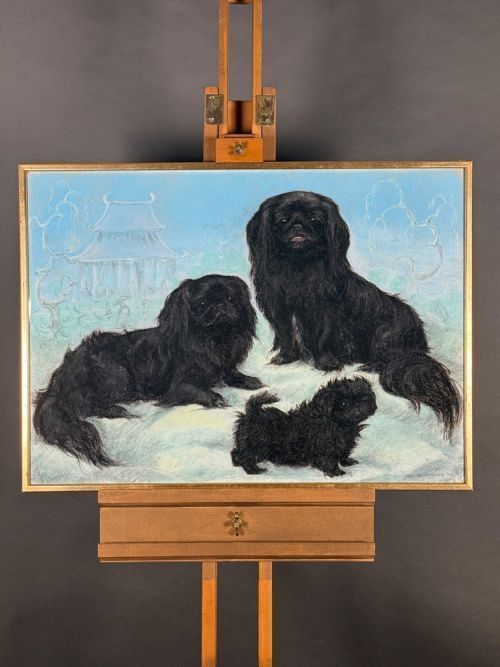
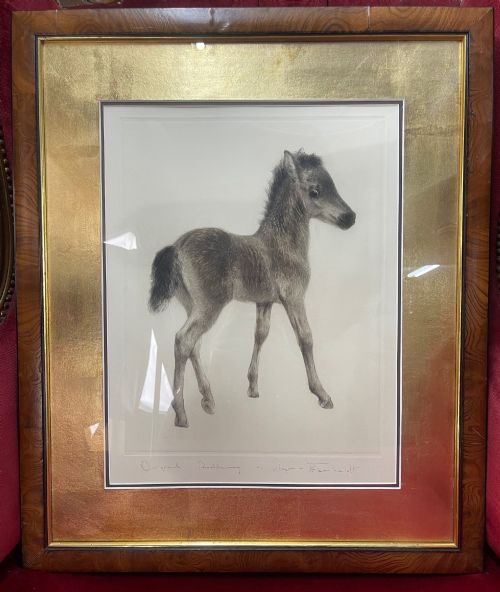
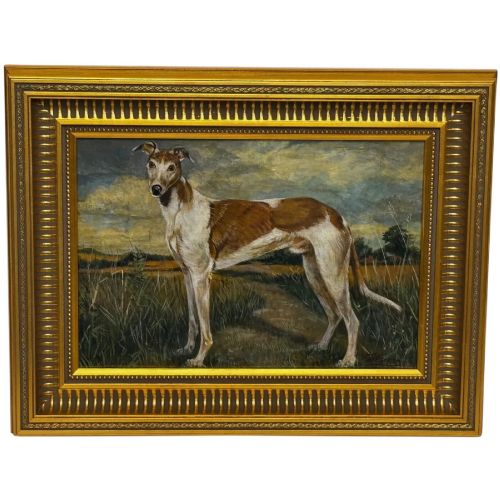
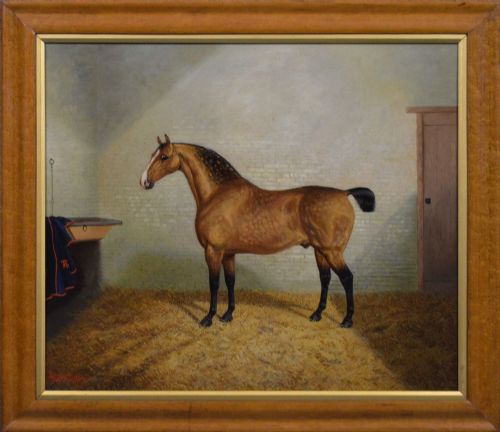
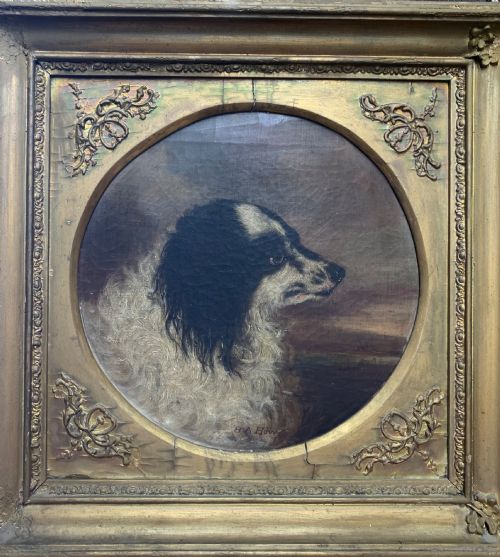
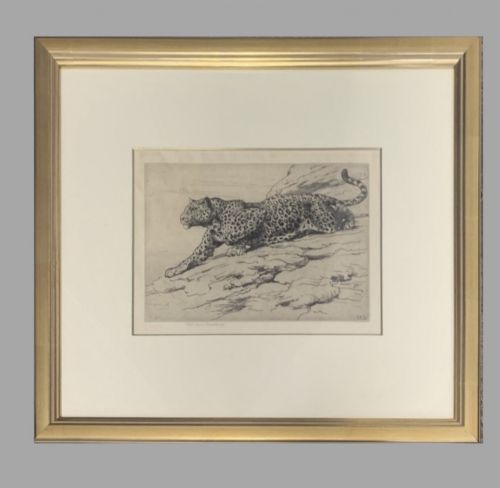
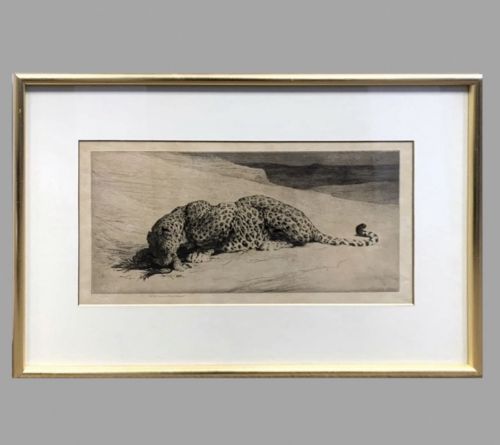
These works focus primarily on dogs, horses, cattle and cats rendered in oil on canvas, oil on board, pastel and etching. The predominant items met on this page date from the Victorian period through to the early twentieth century, spanning Georgian roots to mid-century examples.
The subjects range from solitary equine and canine portraits to bustling farmyards containing chickens, sheep and Highland cattle. Many pieces place animals within specific rural landscapes or architectural settings like stables and hillsides.
Framing typically involves moulded wood enhanced with gold leaf or giltwood, complementing the painted surfaces within. Both finished oils and works on paper appear, each secured behind glass or presented open depending on the medium.
Materials and construction
Painters utilised oil paint applied to stretched canvas or wooden boards, frequently building up texture with layered brushwork. Etchings and pastels on paper provide alternative linear and tonal variations across the selection.
Frames are constructed from solid wood, shaped and finished with gold leaf or gilt treatments to provide a reflective border. These surrounds are often period-appropriate to the artwork, utilising traditional joinery and ornamentation methods.
Listings span the eighteenth, nineteenth and twentieth centuries, using oil on canvas, gold leaf, paper and wood.
Factors determining quality
Anatomy, proportion and musculature execution distinguish accomplished animal portraiture from more formulaic productions. The rendering of light in animal coats and surrounding textures demonstrates the artist's specific skill level.
The integration of the gilt frame with the artwork dictates overall visual harmony, where original matching frames hold greater merit than later replacements.
George Armfield·Kurt Meyer-Eberhardt·Albert Clark·Martin Theodore Ward·John Sargent Noble·Edgar Hunt·Robert Watson·Sir Edwin Henry Landseer·Herbert Dicksee·Fred Fitzpatrick·William Watson Jnr·Alfred Arthur Brunel de Neuville·Horatio Henry Couldrey·Claude Cardon·Frans Snyders·John Emms·LM Webb·Henry Robinson Hall·Arthur Wardle·William Henry Mander·Thomas Sidney Cooper·E H Windred·Franz van Severdonck
The Gilt Framed Animal Art Glossary
- Giltwood
- Wood carved and coated with gold leaf or gilt finish. This material forms the decorative borders characteristic of the framing style.
- Oil on Canvas
- Pigment mixed with drying oil applied to woven fabric stretched across a wooden frame. This medium allows for deep colour saturation and blending.
- Drypoint
- A printmaking technique where an image is scratched directly onto a metal plate with a sharp needle. This process produces soft, velvety lines in the printed impression.
- Chromolithograph
- A colour lithographic print produced from multiple stones. This technique replicates multi-coloured artworks mechanically.
Gilt Framed Animal Art: Frequently Asked Questions
What animals appear most often?
Canines and equines dominate the painted and etched works, followed closely by cattle and farmyard fowl. Domestic cats and kittens also feature prominently in nineteenth-century domestic scenes.
Sporting dogs, working hounds and prize-winning livestock reflect the rural interests of the periods in which they were created.
How should I clean the frame?
Dust the gilded wooden surface gently with a dry, soft brush to prevent the accumulation of dirt. Avoid liquid cleaners and chemical solvents entirely, as these substances damage gold leaf.
Professional conservators should handle any repairs to cracked or flaking giltwood to preserve the original finish.
Are these pieces original?
The selections comprise original oil paintings, period etchings, pastels and chromolithographs rather than modern reproductions. Many bear signatures, dates or attribution marks from their respective eras.
Documentation and provenance records sometimes accompany specific pieces, linking them to historical estates or galleries.
How do I date an artwork?
Stylistic indicators, artist life dates and framing methods provide primary chronological clues. Victorian and Georgian aesthetic conventions differ visibly in canvas preparation and pigment choices.
Inscriptions on the reverse of boards or canvases frequently supply specific creation years or sitter names.