


Gilt Frame Silhouette
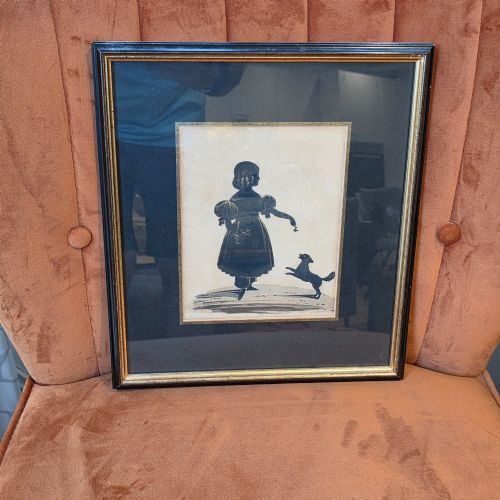
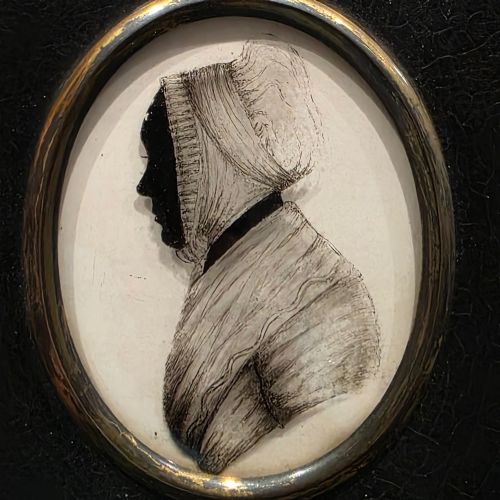
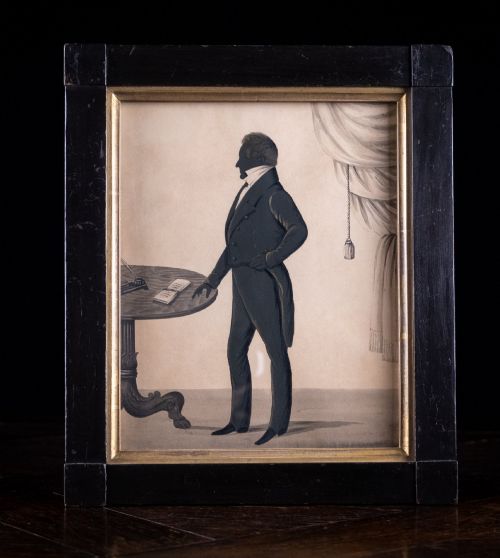
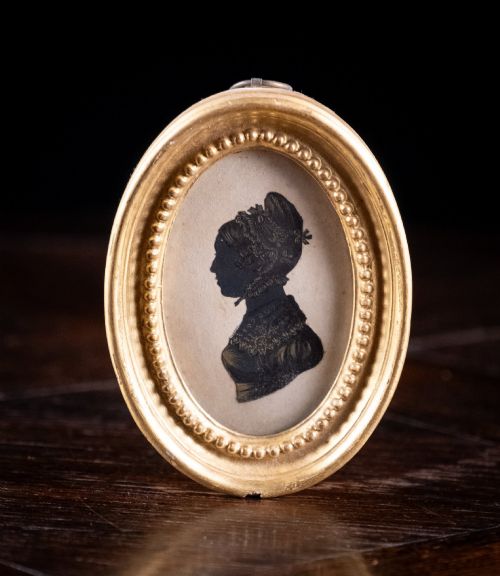
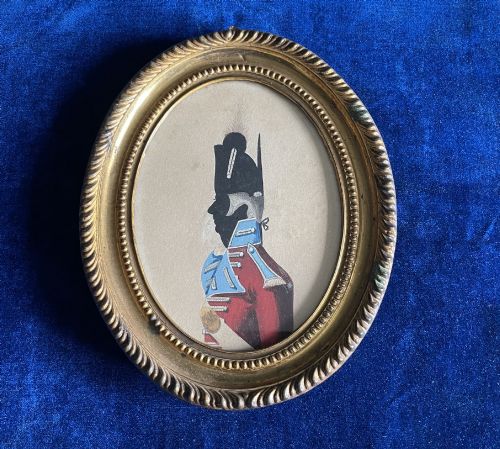
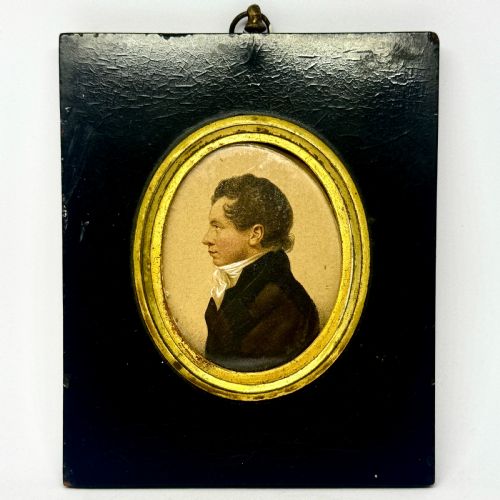
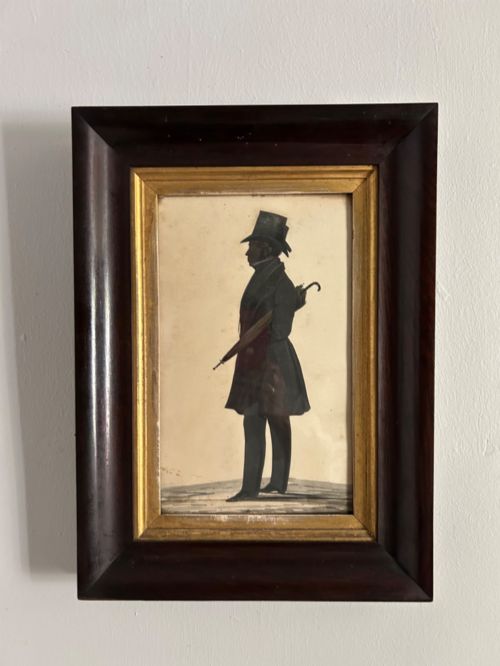
These gilt frame silhouette portraits capture faces from the eighteenth and nineteenth centuries in crisp paper and ink.
Gilt Frame Silhouette
A gilt frame silhouette is a profile portrait framed in gold leaf, wood, or brass, spanning the eighteenth and nineteenth centuries.
The selections here include cut paper, watercolor, plaster, and reverse painted miniature profiles from Georgian and Regency makers.
Most examples found on this page date to the nineteenth century, capturing gentlemen, ladies, and children in framed wall art or jewellery.
Materials and construction
Profiles were created using hand cut paper, black ink, and watercolor, sometimes applied directly to plaster or glass.
Frames utilise wood, brass, and gold leaf or gilt wood, often enclosing the delicate paper or painted profile behind protective glass.
One young subject named E. Sutton was precisely nine years old when immortalised in 1816.
Distinguishing quality
Quality rests in the precision of the cutting or brushwork, separating swift amateur work from the sharp, defined profiles produced by named artists.
The preservation of the original gilt frame and the clarity of the glass or reverse painting determine the overall integrity of the piece.
William James Hubard·John Miers·John Smith of Edinburgh·Nathaniel Bermingham·Skeolan
The Gilt Frame Silhouette Glossary
- Silhouette
- A portrait rendered as a solid profile, typically filled in black against a pale background. These were popular before the widespread use of photography.
- Reverse painted
- A technique where the image is painted on the underside of glass, protecting the pigment from dust and damage.
- Cut paper
- A method where the portrait is formed by snipping paper with fine scissors rather than drawing with ink.
- Gilt frame
- A border treated with gold leaf or a gold-coloured finish to highlight the artwork within.
Gilt Frame Silhouette: Frequently Asked Questions
How do I date a silhouette?
Dating relies on costume, hair style, and framing materials recorded in the piece. Georgian and Regency examples often feature distinct neckwear and dress.
Makers' trade labels on the reverse also help narrow down the decade of production.
Where should I hang these?
These small portraits suit narrow wall spaces, hallways, or grouped arrangements with other period artworks. Their dark profiles stand out best against neutral walls.
Keep them away from direct sunlight to protect the paper and watercolours inside.
Are all silhouettes made of paper?
Not all profiles are paper; some are painted on glass or modelled on plaster. Artists like John Miers worked extensively with plaster.
Paper examples range from simple cut-outs to those enhanced with watercolor and ink.
What is reverse painting on glass?
This technique involves painting the portrait on the rear side of the glass panel. When viewed from the front, the glass acts as a glossy protective layer.
It requires steady brushwork since any mistakes cannot be easily corrected.