




Gilded Miniature Portrait
These gilded miniature portrait pieces offer intimate likenesses framed in precious metal leaf and wood, bringing centuries of personal history into small spaces.
Gilded Miniature Portrait
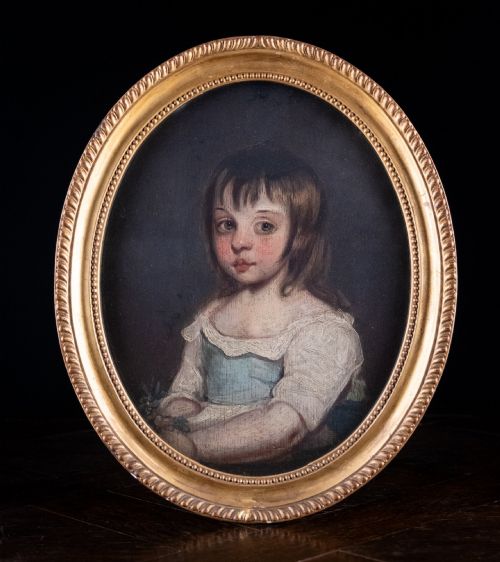
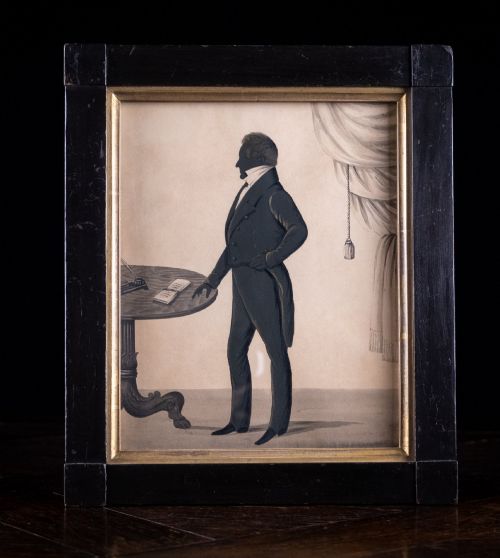
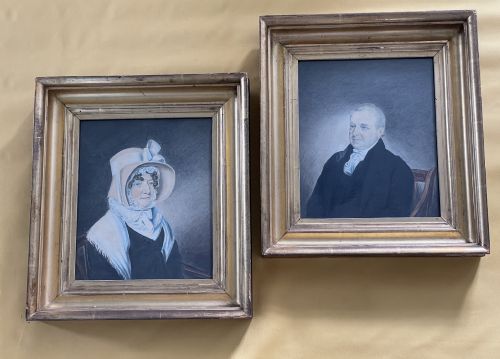
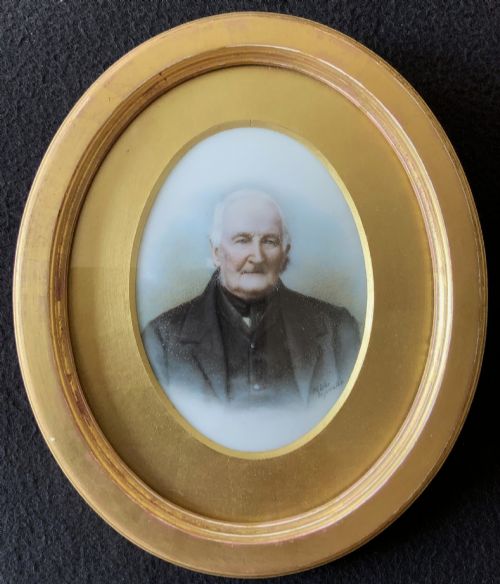
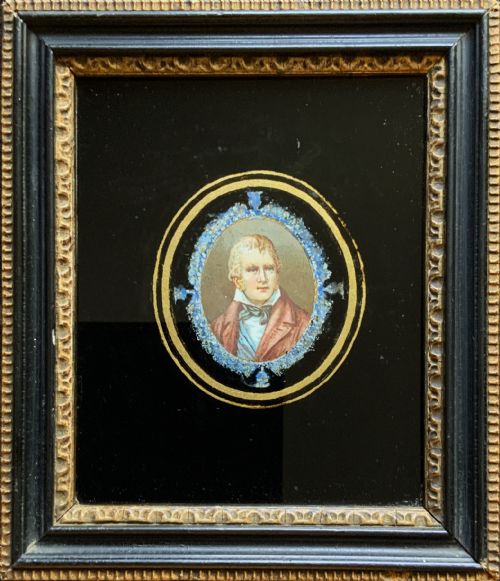
A gilded miniature portrait represents a compact study of an individual face, created across the eighteenth and nineteenth centuries in various European, American, and Indian schools. The selection on this page centres on framed works executed in watercolour, pastel, oil, porcelain, and cut paper silhouette.
Buyers encounter subjects ranging from Regency gentlemen and Georgian ladies to Mughal emperors and folk art children. These works appear in protective brass, rosewood, and giltwood surrounds designed to preserve fragile surfaces.
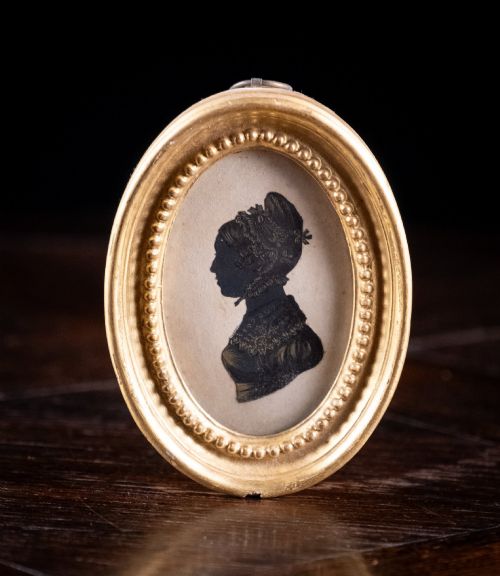
The most common forms on this page are profile silhouettes highlighted with gold leaf and delicate watercolour paintings under glass. Each piece captures the distinct dress and character of its specific period.
Materials and construction
Artists painted these small works on paper, glass, card, and porcelain using watercolours, oils, and pastels. The delicate nature of these mediums required careful enclosure behind protective glass to prevent dust and moisture damage.
Frames utilise wood, brass, and gilt leaf, often shaped in oval formats or heavy square timber profiles like rosewood and hogarth moulding. Cut silhouettes incorporate gold leaf applied directly to paper profiles to accentuate costume details and jewellery.
Makers mounted these portraits within hand-carved wooden surrounds or fitted them into small jewellery caskets and hinged cases. The backing boards frequently employ simple card or wood secured with early pins and papers.
Some silhouettes record family pets alongside their owners.
Assessing quality and execution
The precision of the brushwork or the crispness of the paper cutting dictates the visual strength of the piece. Superior examples capture individual bone structure and textile textures with economy and confidence.
The integrity of the original frame and glass influences the condition and authenticity of the object. Period frames matched correctly to the painting retain the historical context intended by the maker.
George Atkinson·William Egley·J. Deacon·John Miers·Ozias Humphry·Louis Leopold Boilly
The Gilded Miniature Portrait Glossary
- Silhouette
- A solid profile portrait filled in with black pigment or cut from paper. These works frequently feature added highlights in gold leaf to define hair and clothing.
- Giltwood
- Wood carved and coated with gold leaf or gold paint. This material provides a bright, reflective border that enhances the dark tones of miniature paintings.
- Miniature painting
- A detailed artwork executed on a small scale, often requiring magnification to complete. These pieces typically measure just a few inches across.
- Regency
- A British historical period spanning the early nineteenth century. Works from this era often display clean lines and specific neoclassical clothing styles.
Gilded Miniature Portrait: Frequently Asked Questions
How were these miniature portraits displayed?
These small artworks hung in intimate spaces like bedchambers and studies, often clustered together on a wall in groups. People also carried them during travel or kept them safely stored inside fitted wooden boxes and jewellery caskets.
The sturdy frames and protective glass shields allowed owners to handle the pieces frequently without risking damage to the delicate painted surfaces or paper silhouettes inside.
What materials make up these frames?
Frames consist primarily of carved wood finished with gold leaf, polished rosewood, or dark timber moulding. Brass mounts and gilt bronze also appear frequently around the smaller painted panels and porcelain plaques.
Many of these surrounds retain their original backing papers and hanging loops, which help confirm the age and unaltered state of the complete object.
How do I identify a Regency piece?
Regency portraits usually display distinct clothing styles from the early nineteenth century, such as high-waisted dresses for women and knotted cravats for gentlemen. The silhouette work from this decade often uses fine gold penwork to render buttons and lace.
Paper stock and framing materials from this timeframe also exhibit specific tactile qualities, including hand-beaten brass bezels and lightweight pine backing boards.
Can these artworks hang in direct sunlight?
Direct sunlight damages watercolour pigments, paper supports, and organic glues over time. Placement in a shaded location away from windows protects the fragile colours from fading permanently.
Stable indoor humidity and moderate temperatures ensure the wooden frames and glass seals remain secure without warping the delicate backing materials.