

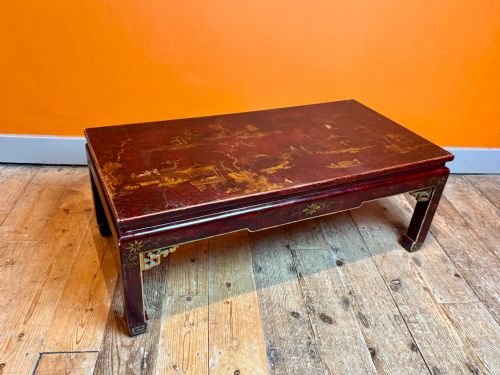
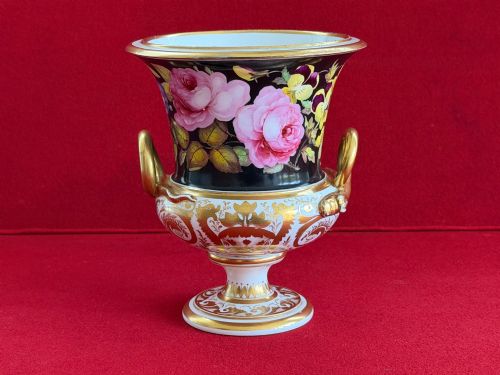

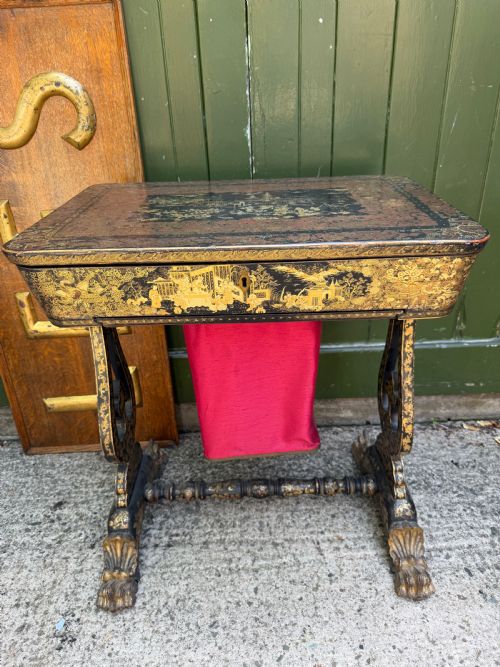



Gilt Decorated Table
These gilt decorated table pieces bring hand-applied metallic detail and period form together, offering a striking centrepiece for a traditional interior.
Gilt Decorated Table
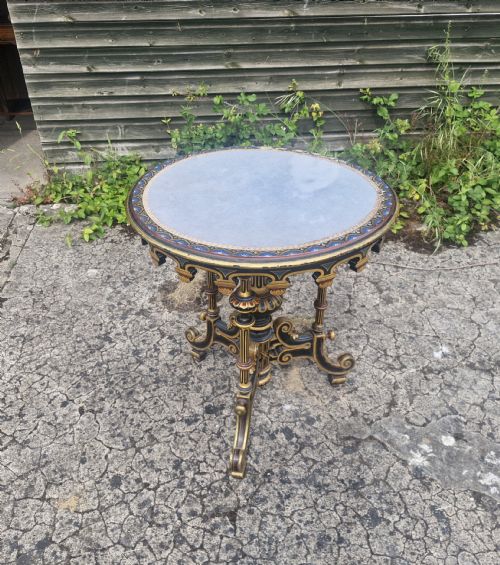
A gilt decorated table encompasses occasional, coffee, and writing forms produced across the nineteenth and early twentieth centuries. These surfaces carry applied gold leaf, gesso, or paint to accent timber, lacquer, and stone.
The versions most commonly found here include Edwardian Chinoiserie tea and lamp tables alongside nineteenth-century lacquered and painted examples. Makers utilised stylistic revivals from Regency to Rococo to shape these compact occasional pieces.
Form follows function closely, moving from low coffee tables and writing desks to tall torchere stands and nested sets. Each object integrates decorative metallic schemes into standard domestic furniture of its era.
Materials and construction methods
Wood provides the structural base for most pieces, frequently finished with black or coloured lacquer to receive surface ornamentation. Artisans applied gold leaf and raised relief detail directly onto the prepared ground.
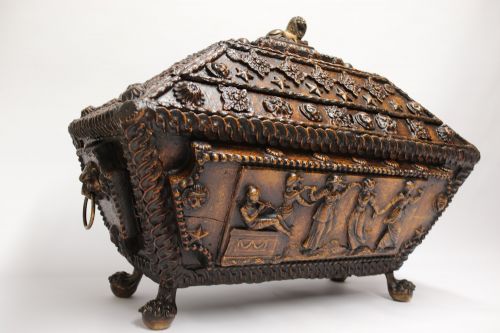
Specialised techniques include gesso preparation on English caskets and tables, alongside traditional penwork and hand-painting. Brass hardware and marble tops occasionally complement the wooden and lacquered structures.
Gilt Decorated Table Retail Price Guide 2026
Typical asking prices for gilt decorated table among the pieces listed under this phrase on Sellingantiques today, from the lower quarter to the upper quarter. They describe what is for sale here now, not the wider market.
A solitary Japanese Meiji period bamboo-form vase sits comfortably among European writing desks and tea tables.
Judging the standard of execution
The refinement of the surface decoration determines the grade of a piece, separating mechanical application from skilled hand-brushing and gold leaf layering. Crispness in raised relief work and depth in lacquer finishes indicate superior craftsmanship.
The integrity of the underlying timber framework and the preservation of original painted or gilded motifs dictate the overall desirability. Pieces retaining their original finish without extensive re-touching hold greater historical value.
John Tesch·Kinkozan·Mallets
The Gilt Decorated Table Glossary
- Gesso
- A plaster-based mixture applied to wood surfaces as a smooth preparation for gilding. It provides a raised, sculptural ground for gold leaf application.
- Chinoiserie
- European artistic interpretations of Chinese and East Asian decorative traditions. This style dominates the lacquer and painted furniture of the Edwardian period.
- Lacquer
- A durable resin finish applied in multiple layers and polished to a hard sheen. Asian and European workshops utilised this medium to carry intricate gilt scenes.
- Regency
- A British design period spanning the early nineteenth century noted for classical restraint and revival influences. Furniture from this era often incorporates bold architectural lines.
- Penwork
- A meticulous decoration technique using fine ink lines on wood, frequently combined with subtle tinting and sealing. This method creates detailed miniature imagery on cabinets and small tables.
Gilt Decorated Table: Frequently Asked Questions
Where should I place a lacquer table?
Position the piece away from direct sunlight and strong heat sources to prevent the lacquer from cracking.
Stable indoor humidity preserves both the wooden core and the applied metallic decoration over decades of use.
How do I identify the period?
Examine the underlying timber construction, joinery methods, and the specific style of the painted ornament.
Edwardian interpretations differ noticeably in proportion and pigment from nineteenth-century lacquer and Regency gesso work.
Were these tables used daily?
Most occasional and tea tables served active domestic roles in nineteenth and early twentieth-century drawing rooms.
Their compact sizes allowed owners to move them easily for serving drinks, writing, or displaying decorative items.