

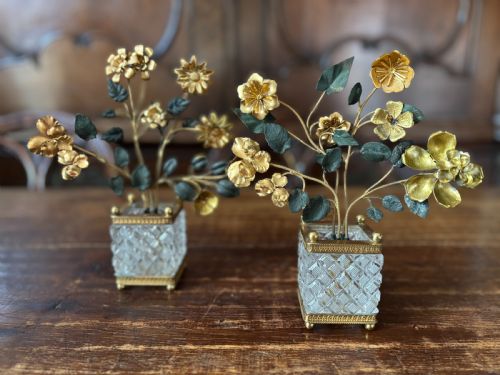
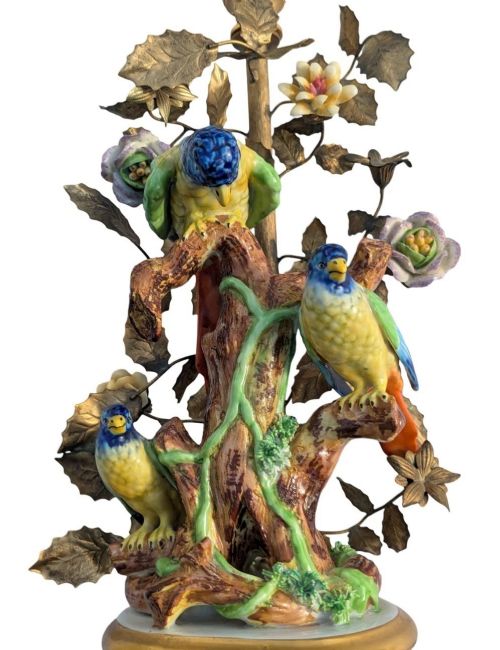
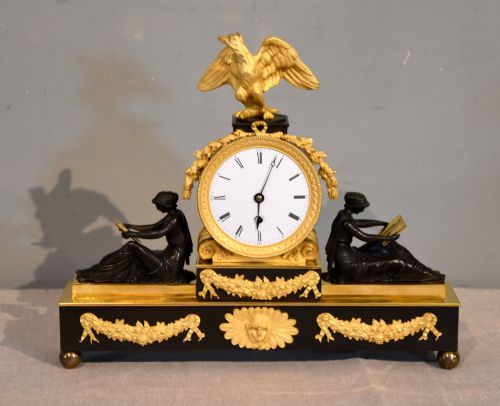
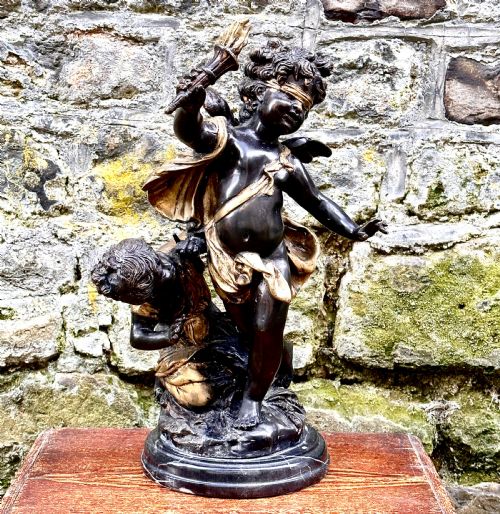


Gilt Bronze Table Sculpture
These gilt bronze table sculpture pieces bring warmth and refined character to a room, standing as expressive works of art that command attention.
Gilt Bronze Table Sculpture
A gilt bronze table sculpture introduces substantial presence to a surface, appearing in forms such as mantel clocks, figural statuettes, and table lamps. These works span periods from the Georgian era through the Regency and nineteenth century into the Art Deco years of the twentieth century.
The selection here leans strongly toward French and English workshops, with nineteenth century French examples and Art Deco figures dominating the offerings. Buyers will encounter classical figures, allegorical subjects, and functional objects embellished with cast metal decoration.
Such pieces function as focal points on desks, sideboards, and mantelpieces, combining sculptural form with the utility of timekeeping or lighting. Each item reflects the aesthetic priorities of its specific period, from neoclassical austerity to exuberant rococo and streamlined modernism.
What varies in quality
The crispness of the chasing and the depth of the original gilding distinguish superior examples from ordinary productions. Superior casting retains minute details in facial expressions and ornamentation without relying on heavy post-cast filing.
The integration between the bronze work and its stone base indicates the original maker's ambition, where tightly fitted mounts and substantial marble plinths elevate the status of the piece.
Gilt Bronze Table Sculpture Retail Price Guide 2026
Typical asking prices for gilt bronze table sculpture among the pieces listed under this phrase on Sellingantiques today, from the lower quarter to the upper quarter. They describe what is for sale here now, not the wider market.
Listings feature works spanning the Georgian era, Regency period, and Art Deco movement, utilising gilt bronze, patinated bronze, marble, and onyx.
Baetens London·Leon Message·Jollet et Cie·Eurotrope Bouret·Demetre Chiparus·Josef Lorenzl·Victor Paillard·Deniere and Cailleaux·Henri Honore Ple·Japy Freres
The Gilt Bronze Table Sculpture Glossary
- Ormolu
- A technique of applying finely ground high-carat gold to a bronze object using a mercury amalgamation process. This method produces a durable, deep golden lustre characteristic of fine French decorative arts.
- Patinated bronze
- Bronze that has been chemically treated to alter its surface colour, usually to shades of brown, green, or near-black. This finish contrasts effectively against bright gilt bronze sections.
- Cold-painted bronze
- A method where the metal is painted with oil or enamel colours without subsequent firing in a kiln. This technique was widely utilised for decorative Art Deco figures and animal studies.
- Chasing
- The manual post-casting process of refining and detailing the metal surface using small punches and hammers. High-level chasing distinguishes master bronziers from routine foundry output.
Gilt Bronze Table Sculpture: Frequently Asked Questions
How do I clean gilt bronze?
Dust the surface gently with a soft, dry brush to remove particles without disturbing the protective finish. Avoid abrasive cloths, commercial metal polishes, and chemical liquids that can strip the delicate gold layer.
For stubborn grime, consult a professional conservator rather than attempting aggressive home cleaning. Preserving the original patina and gilding remains paramount for maintaining the character of the object.
Are these clocks still working?
Many antique clock movements remain operational, though mechanical condition varies across individual pieces from the nineteenth century. Professional servicing is often recommended to ensure reliable timekeeping for older movements.
Buyers should inspect the mechanical details or enquire about the working order before regular use. Even non-running examples retain significant decorative value as sculptural art.
What is the difference between ormolu and gilt bronze?
Ormolu specifically refers to the traditional French mercury gilding technique used extensively on eighteenth and nineteenth-century decorative pieces. Gilt bronze is a broader term that encompasses both historical mercury-gilded items and later electroplated works.
Both terms describe a gold surface layer applied to a bronze base, but the chemical process and historical period often determine the depth of the visual finish.
Where should I place a bronze lamp?
Position these lamps on sturdy surfaces such as sideboards, desks, or large console tables where their weight is fully supported. Ensure they sit away from direct moisture and excessive heat sources to protect the wiring and the bronze finish.
Pairing them with appropriate period shades helps balance the visual mass of the metal base and complements the surrounding interior scheme.