




Gilt Bronze Hearth Guard
A gilt bronze hearth guard brings warmth and refined French design to the fireplace, protecting the room with gleaming metal and glass or mesh.
Gilt Bronze Hearth Guard
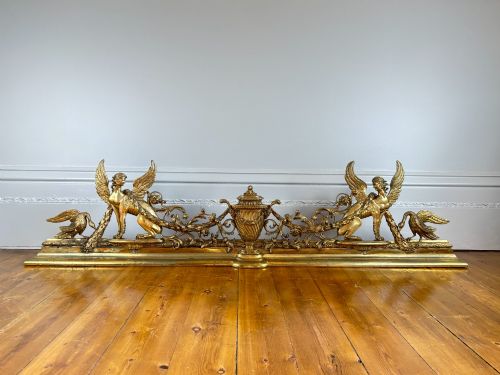
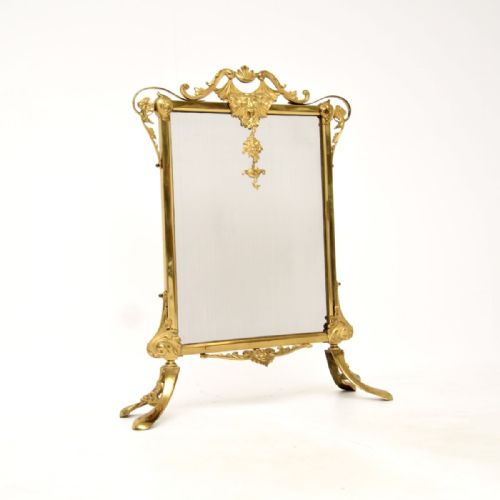
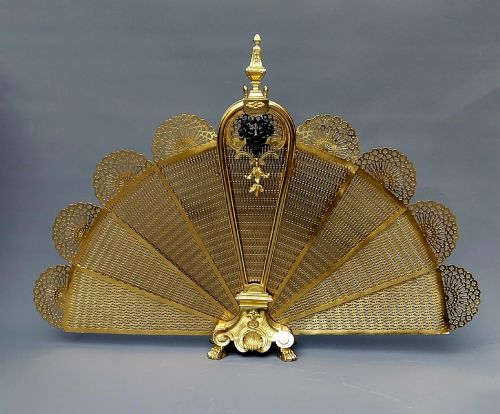
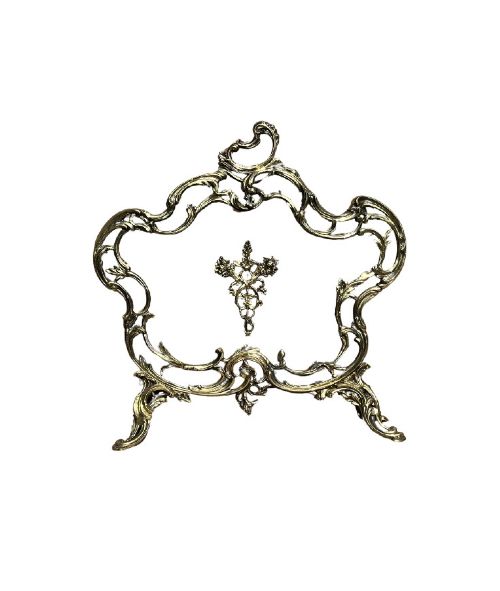
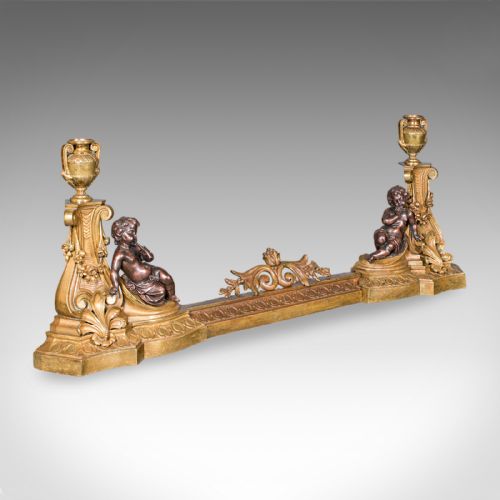
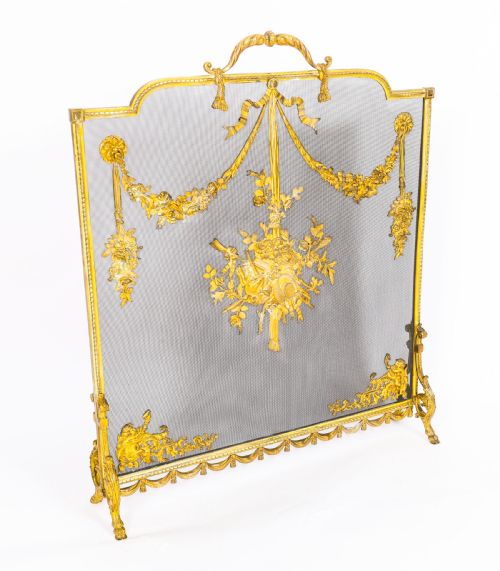
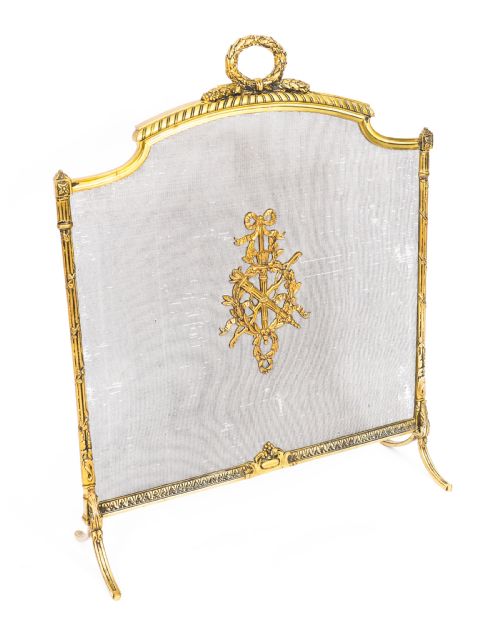
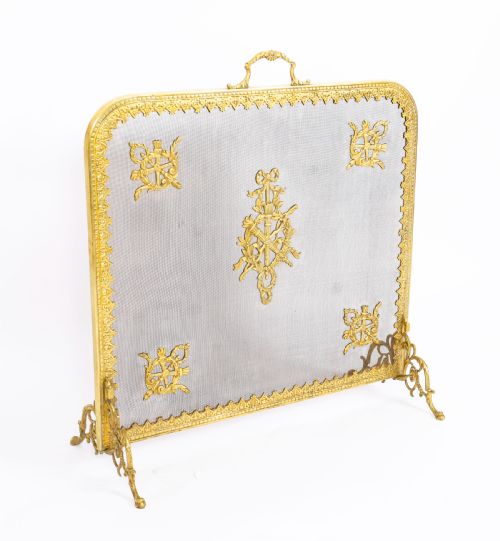
When searching for a gilt bronze hearth guard, a buyer examines decorative domestic metalwork designed to shield rooms from open fires. These pieces primarily take the form of fire screens, fenders, and chenets originating from the nineteenth century.
The most common versions encountered are French fire screens and adjustable fenders created in styles such as French Rococo, Louis XVI Neoclassical, and Empire Revival. They combine utility with ornate decorative casting to frame the fireplace opening.
Originating largely from nineteenth-century European workshops, these guards feature intricate cast ornamentation including floral motifs, musical trophies, and classical urns. They serve as a focal point in period drawing rooms and formal sitting spaces.
How they were made
Maker's workshops cast these guards in bronze, brass, and iron, applying a rich layer of gold-colored gilding or ormolu to the metal surfaces. Many examples integrate wire mesh or polished steel panels to handle the heat of the hearth while reflecting ambient light.
Components such as adjustable fender bars, scrolling feet, and decorative trophies were cast separately and joined with secure mechanical fittings. Skilled artisans chased the metal surfaces by hand to sharpen the cast details before final assembly.
Gilt Bronze Hearth Guard Retail Price Guide 2026
Typical asking prices for gilt bronze hearth guard among the pieces listed under this phrase on Sellingantiques today, from the lower quarter to the upper quarter. They describe what is for sale here now, not the wider market.
Some nineteenth-century hearth guards sport flaming torches and musical trophies, proving that even a fire screen needs a bit of theatrical flair.
What varies in quality
The distinction between standard domestic hardware and exceptional pieces rests upon the crispness of the chased casting and the depth of the gilding. Superior examples display finely rendered foliage, ribbons, and classical figures that retain their sharp contours.
Construction robustness also defines the upper tier, seen in solid bronze weights, functional adjustable mechanisms, and securely mounted decorative elements. Lesser items rely on simpler pressed brass components with minimal hand finishing.
Bouhon Frères·E F Caldwell New York
The Gilt Bronze Hearth Guard Glossary
- Gilt bronze
- Metal cast in bronze and treated with a gold finish to create a lustrous decorative surface. It provides both corrosion resistance and a bright aesthetic for formal interiors.
- Ormolu
- Finely ground high-carat gold applied to a bronze base using a mercury amalgamation technique or modern electroplating. This finish creates the characteristic rich yellow gleam seen on nineteenth-century French pieces.
- Fender
- A low metal guard placed on the hearth around the base of a fireplace to contain burning embers. Adjustable variants can be lengthened or shortened to fit specific hearth dimensions.
- Chenet
- An ornate firedog or iron support placed inside the fireplace to hold logs above the hearth floor. Ormolu-mounted versions often match the style of the surrounding fire screen.
- Trophy
- A sculptural grouping of symbolic items, such as musical instruments or torches, cast in relief upon the frame. These classical motifs reflect the prevailing taste of the nineteenth century.
Gilt Bronze Hearth Guard: Frequently Asked Questions
How do I identify a nineteenth-century piece?
Nineteenth-century pieces often display heavy cast bronze construction combined with specific revival styles such as Louis XVI Neoclassical or French Empire. Look for hand-chased details in the metalwork and traditional assembly methods like threaded bolts.
Maker signatures or foundry marks stamped into the bronze can also help confirm the period of origin. The weight of the metal and the quality of the ormolu finish offer further clues to age.
How should I clean a gilt bronze hearth guard?
Gently dust the metal surface with a soft, dry cloth to remove daily accumulation without disturbing the gilding. Avoid using abrasive metal polishes or harsh chemical cleaners that can strip away the delicate gold finish.
Professional conservation is recommended if deeper cleaning or structural repairs are required. Regular gentle maintenance preserves the historical patina and protects the underlying bronze.
Can these hearth guards be used with a working fireplace?
Many of these pieces were constructed to withstand active hearth use, incorporating sturdy wire mesh and heat-resistant bronze or steel frames. However, delicate nineteenth-century gilding and antique mesh can be sensitive to extreme, direct heat.
Evaluating the condition of the mesh and frame helps determine whether a piece is suitable for a working fire or better suited for decorative display.