





Gilt Brass Sculptures
Gilt brass sculptures bring lasting metallic brilliance and classical presence into a room, combining solid metal forms with rich golden surfaces.
Gilt Brass Sculptures
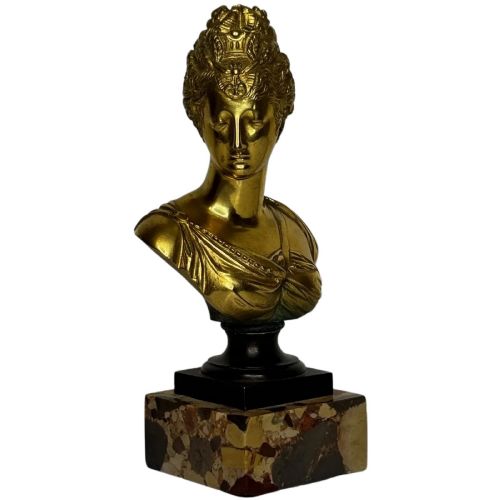
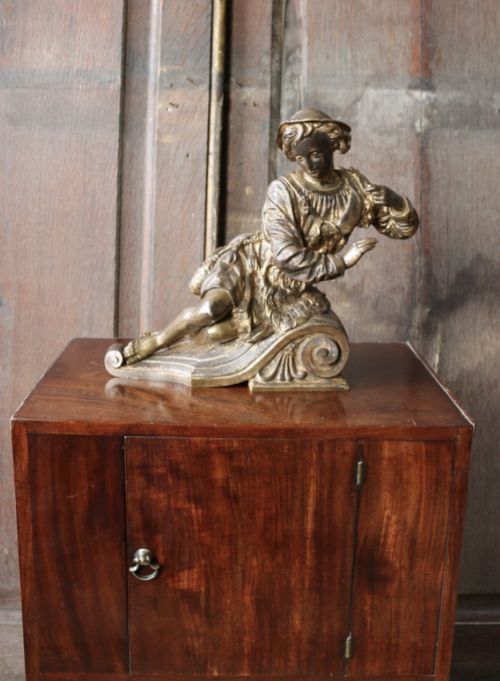
When you search for gilt brass sculptures, you encounter a varied selection of figural works, decorative statuettes, and functional objects finished with a golden surface. These items span multiple periods from the eighteenth century through the twentieth century, reflecting diverse international origins including French, English, Chinese, and Tibetan craftsmanship.
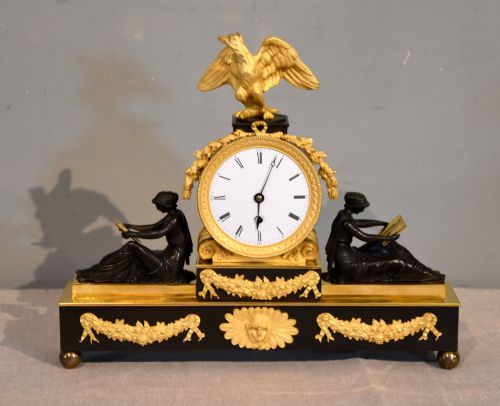
The objects most frequently met on this page include nineteenth-century figures, mantel clocks, and animal statuettes. Makers and artists utilised durable metal alloys, mounting many pieces on marble or onyx bases to create substantial decorative focal points.
Materials and construction methods
Artisans employed cast bronze, brass, and gilt metal, often applying mercury gilding or ormolu to achieve a bright golden finish on the metal surface. Many works incorporate contrasting materials such as marble, wood, and enamel to enhance the visual depth of the sculptures and timepieces.
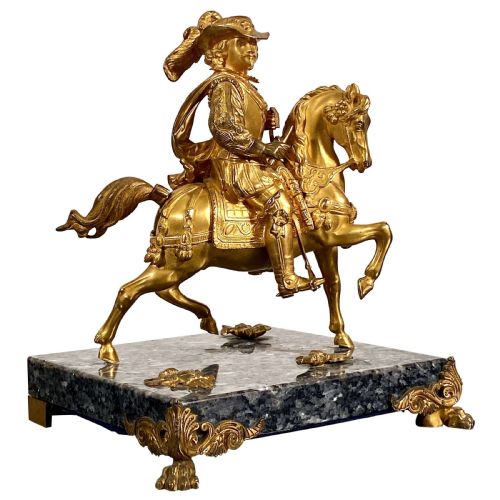
Foundries utilised traditional casting techniques to shape intricate details, from equestrian figures and mythological deities to architectural furniture mounts and complex clock movements.
Gilt Brass Sculptures Retail Price Guide 2026
Typical asking prices for gilt brass sculptures among the pieces listed under this phrase on Sellingantiques today, from the lower quarter to the upper quarter. They describe what is for sale here now, not the wider market.
Listings feature items from the eighteenth, nineteenth, and twentieth centuries, utilising gilt bronze, brass, marble, and enamel across various international styles.
Factors determining quality
The preservation of the original surface gilding and the integration with supporting bases of marble or onyx strongly influence the overall integrity of each piece.
Poix Blin·Baetens London·Andre Guilmet·Japy Freres·Charles Korschann
The Gilt Brass Sculptures Glossary
- Ormolu
- Finely ground high-carat gold applied to a bronze or brass object using a mercury amalgamation technique. This historic process yields a durable, luminous golden lustre.
- Gilt bronze
- A base metal alloy of copper and tin coated with a layer of gold. It provides structural strength alongside a decorative metallic finish.
- Grand Tour
- A nineteenth-century cultural journey undertaken by wealthy Europeans, resulting in souvenir bronzes and sculptures modelled after classical antiquities.
- Andiron
- A horizontal metal support raised on legs, placed in a hearth to hold firewood. Elaborate examples feature decorative cast statuettes at the front.
- Applique
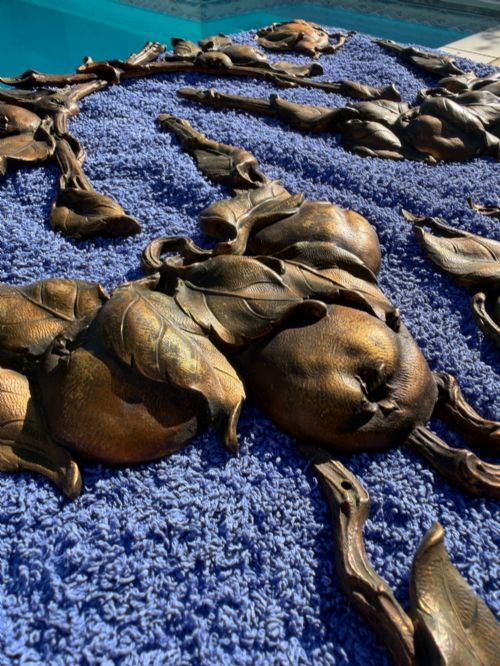
- An ornamental metal plaque or fitting applied to furniture, panelling, or walls. These elements often display neoclassical or rococo motifs.
Gilt Brass Sculptures: Frequently Asked Questions
What are gilt brass sculptures made of?
These items are constructed primarily from cast metal alloys including bronze, brass, and gilt metal. Artisans frequently added mercury gilding or ormolu finishes to create the characteristic golden exterior.
Additional materials like marble, onyx, wood, and enamel often appear as structural bases, dials, or decorative accents.
How do I care for gilt brass sculptures?
Maintain the surface by dusting gently with a soft, dry cloth to prevent the accumulation of grit. Avoid harsh chemical cleaners or abrasive polishes that can strip the delicate historic gilding.
Keep pieces away from direct sunlight and excessive moisture to preserve both the metal and any integrated stone or wooden bases.
Are these sculptures French or English?
The pieces originate from various regions, with French workshops producing a significant portion of the figural clocks, animal bronzes, and decorative mounts. English makers also contributed notable mantel timepieces and architectural fittings.
Other notable pieces reflect Chinese and Tibetan origins, demonstrating a broad international range of nineteenth- and twentieth-century metalwork.
How can I tell the age of a sculpture?
Dating relies on stylistic clues such as Neoclassical, Regency, or Rococo design motifs, alongside foundry marks and inscribed signatures on the metal. The presence of historic mounting techniques and secondary materials like carved marble or alabaster also helps place pieces within specific nineteenth- or twentieth-century periods.
Examining the wear patterns on the gilding and the construction of internal mechanisms in clocks provides further chronological context.