

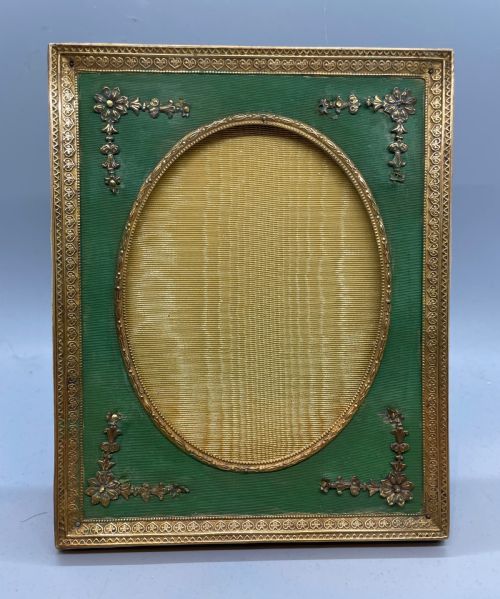

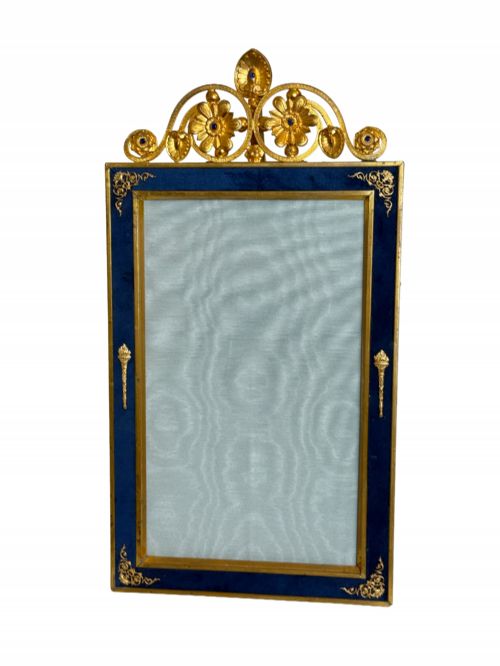

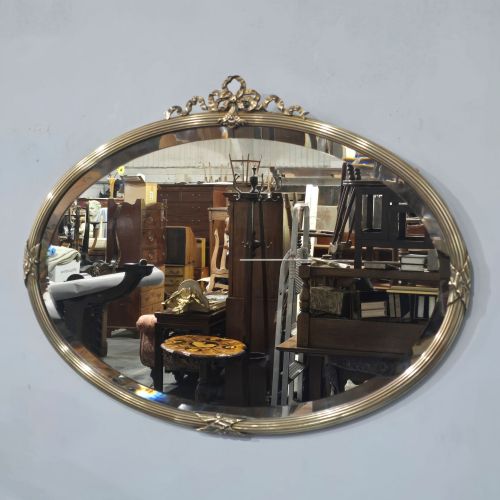
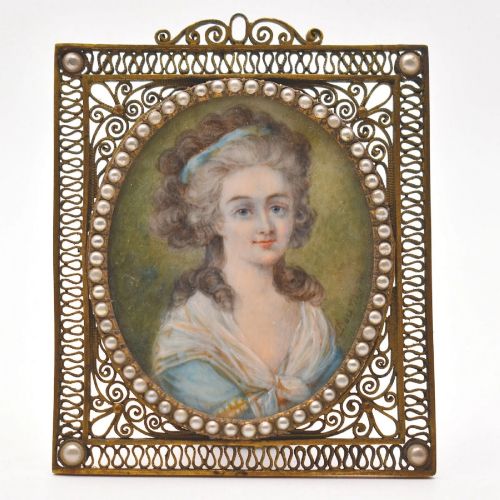

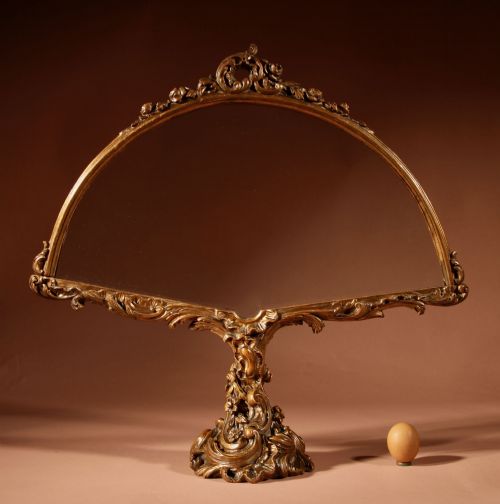
Gilt Brass Frame
A gilt brass frame brings warmth and structural definition to mirrors, portraits, and photographs across Georgian, Regency, and Victorian interiors.
Gilt Brass Frame
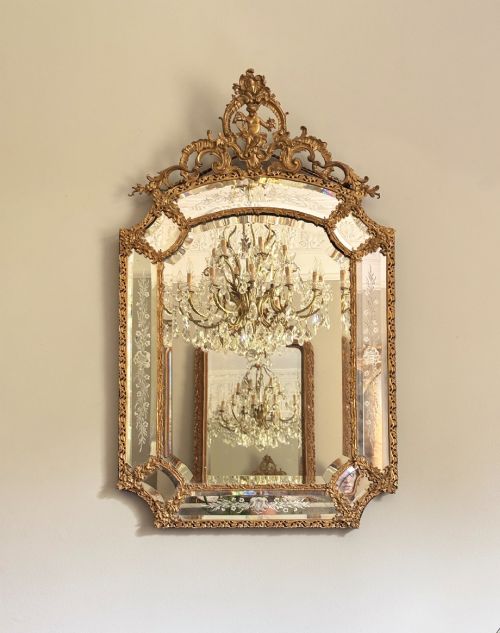
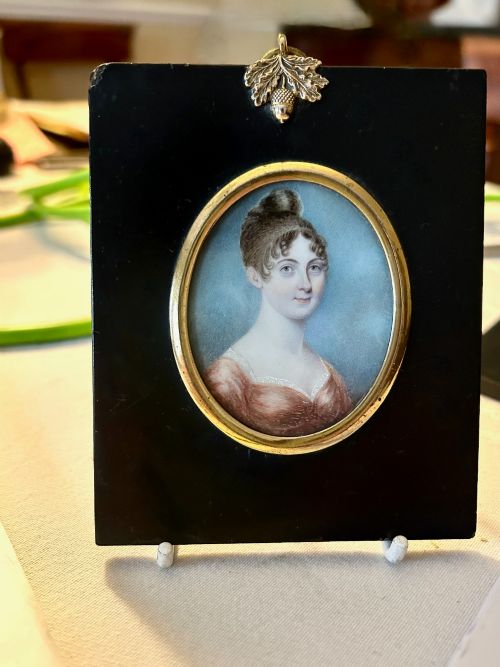
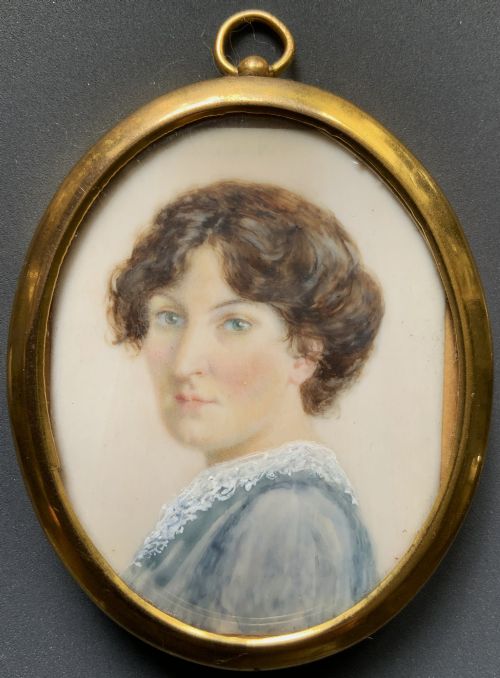
A gilt brass frame encompasses decorative metalwork housing for mirrors, portrait miniatures, photographs, and small display caskets from the eighteenth century onwards. Buyers searching for a gilt brass frame encounter items shaped by French Louis XVI revival aesthetics, Victorian domestic portraiture, and heavy Regency styling.
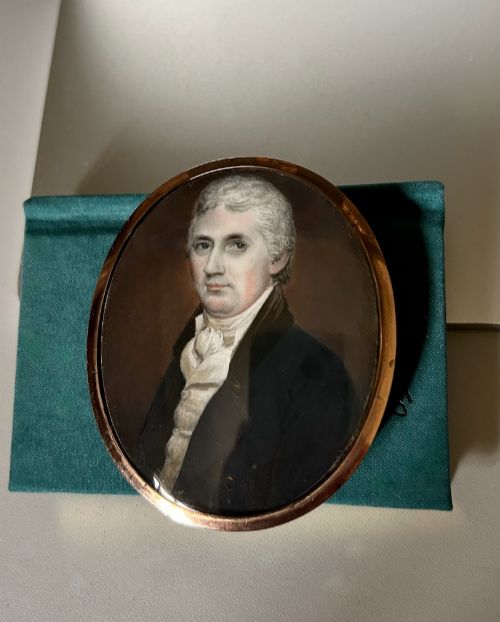
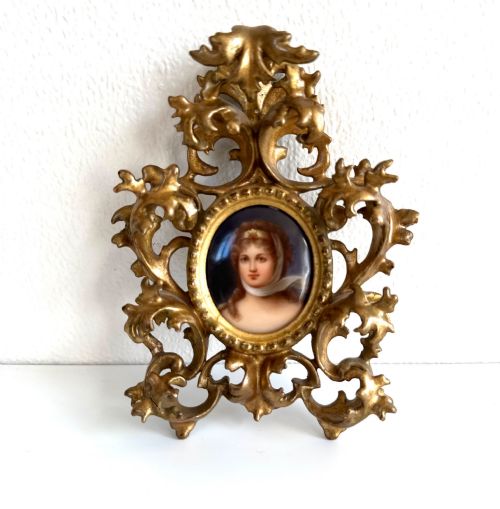
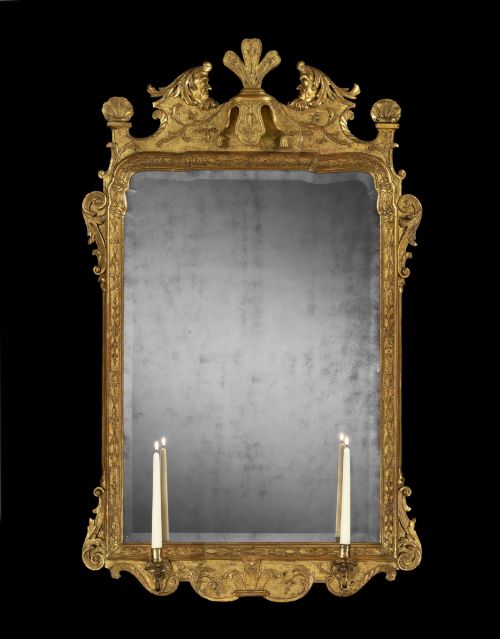
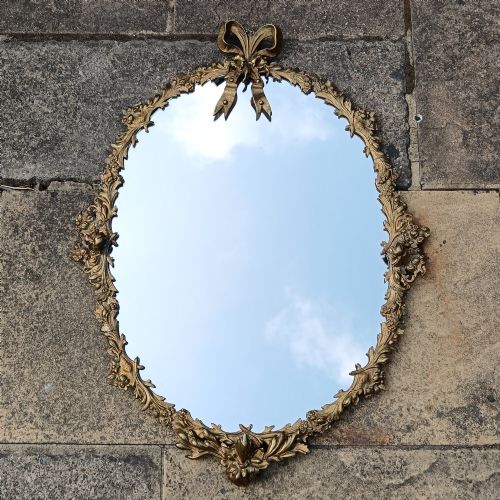
The most common examples on this page are table photo frames, wall mirrors, and small housings for painted miniatures or silhouettes. These pieces typically originate from English and French workshops working in the nineteenth century, utilising heavy metal castings alongside glass and enamel.
Scale and function vary widely across the selection, ranging from miniature easel-backed frames for desk placement to large wall-hanging mirrors with elaborate crests. Each object balances structural metal strength with decorative surface gilding designed to catch interior candlelight or daylight.
Materials and construction methods
Metalworking techniques for a gilt brass frame rely primarily on casting, stamping, and mechanical assembly using brass, ormolu, and gilt bronze. Workshops shaped the base metal components through sand casting or pressing before applying fire gilding or gold leaf to create the characteristic metallic sheen.
Associated materials frequently include glass for mirrors and picture covers, wooden backs of ebonised wood or birds-eye maple, and occasional decorative inserts like moss agate or enamel plaques. These secondary materials are secured with pins, bezels, or internal brackets fitted snugly within the metal housing.
Gilt Brass Frame Retail Price Guide 2026
Typical asking prices for gilt brass frame among the pieces listed under this phrase on Sellingantiques today, from the lower quarter to the upper quarter. They describe what is for sale here now, not the wider market.
Assessing quality in metal frames
Quality in a gilt brass frame rests on the crispness of the chasing and the depth of the metal casting rather than mere surface shine. Finer examples display sharp relief work on scrollwork, floral motifs, and crests, whereas lower-grade pieces rely on softer, shallower stampings with smoothed-out detail.
The integrity of the construction also dictates value, seen in heavy gauge brass that resists bending and properly fitted backboards with original easel stands or hanging loops. Pieces retaining their original gilding without excessive rubbing or modern re-plating demonstrate superior preservation.
Boin Taburet·John Joseph Mechi·John Miers
The Gilt Brass Frame Glossary
- Ormolu
- Gilt bronze or brass utilising a mercury gilding process popular in French decorative arts. This technique produces a deep, durable golden finish found on high-end nineteenth-century frames.
- Gilt Bronze
- An alloy of copper and tin treated with a gold surface layer. It provides a heavier and more rigid structural body than thin stamped brass sheeting.
- Portrait Miniature
- A small, intimate painting on ivory, vellum, or card often housed within a protective metal case. These works frequently feature dedicated frames designed for desk display.
- Ebonised Wood
- Timber treated to imitate dense, black ebony wood. It often forms the contrasting backing or inner border of nineteenth-century frames and mirrors.
- Chasing
- The manual tooling of metal surfaces with punches and hammers to refine cast details. Fine chasing separates masterwork frames from standard commercial production.
Gilt Brass Frame: Frequently Asked Questions
How do I clean a gilt brass frame?
Dust the metal gently with a soft, dry brush to remove surface particles without disturbing the protective gold layer.
Avoid commercial liquid brass cleaners entirely, as harsh chemical agents strip away the historic gilding and ruin the antique surface.
Are these frames meant for wall hanging or tables?
Many smaller examples feature hinged easel stands designed for placement on desks, mantels, and side tables.
Larger variations incorporate sturdy iron loops or wooden backing fixtures intended specifically for secure wall mounting.
How can I tell a nineteenth-century frame from a modern reproduction?
Examine the construction methods on the reverse side, looking for hand-cut screws, slotted pins, and patinated brass components.
Antique pieces display natural wear patterns and weight distribution typical of historic foundry work rather than lightweight modern casting.
What periods do these metal frames belong to?
The selection spans from Georgian and Regency eras through Victorian production up to the early twentieth century.
French Empire and Louis XVI revival styles dominate the decorative vocabulary across the nineteenth-century pieces.