
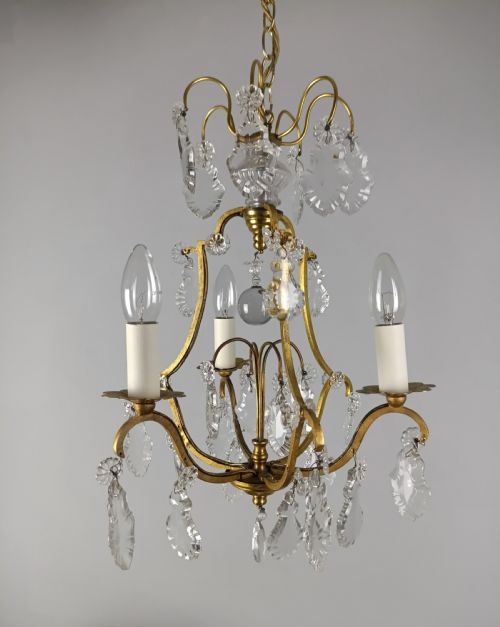
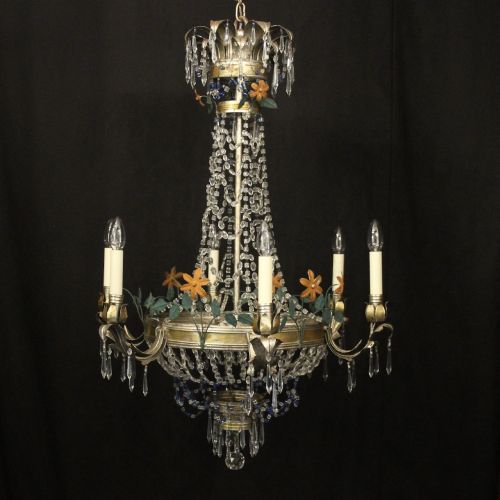
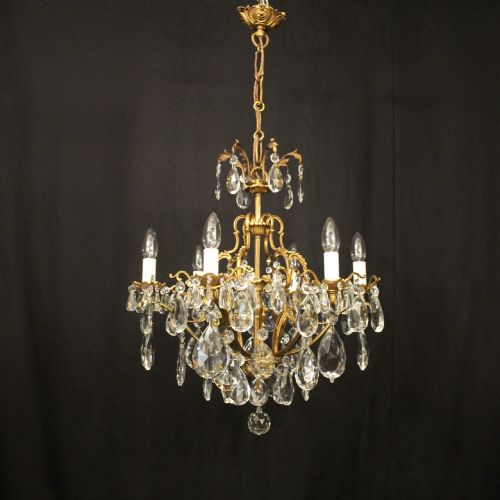
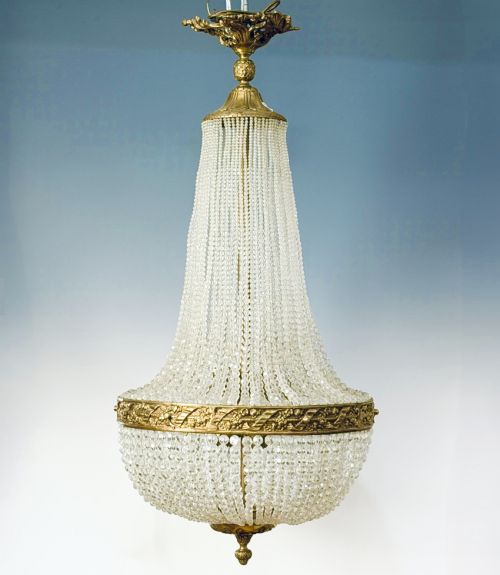
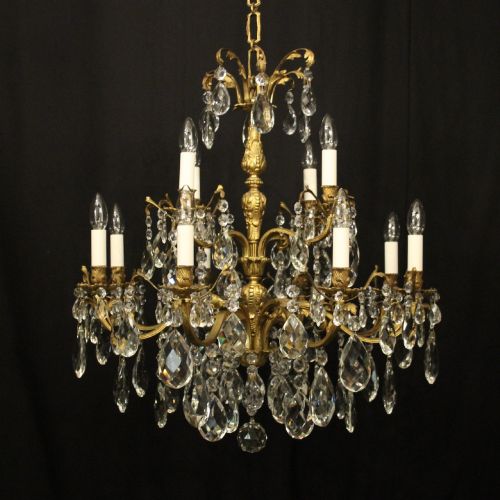
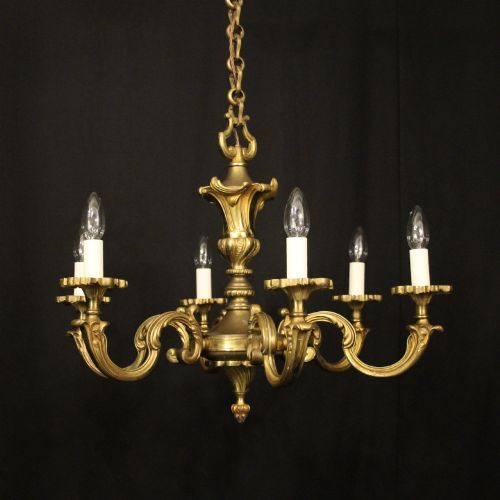
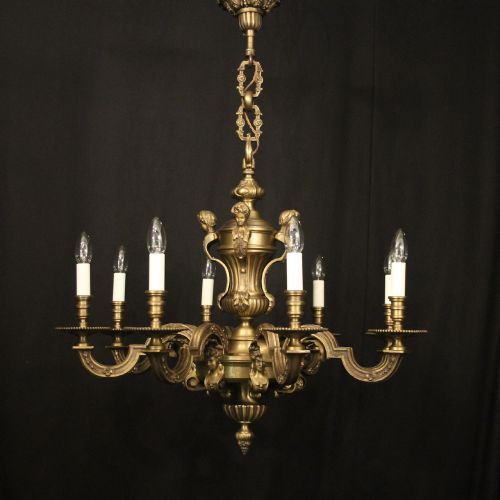
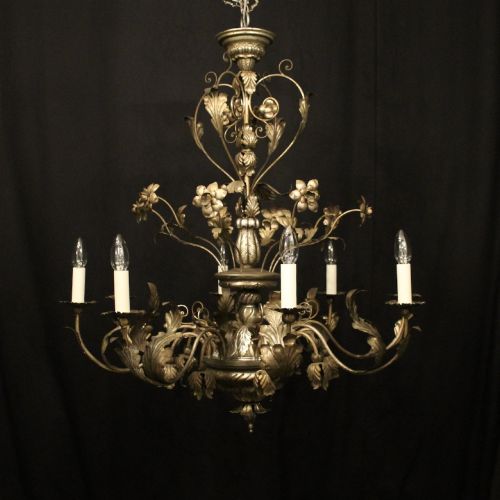
Gilt Brass Ceiling Pendant
A gilt brass ceiling pendant brings warmth and direct illumination to a room, offering an enduring focal point with its metallic sheen.
Gilt Brass Ceiling Pendant
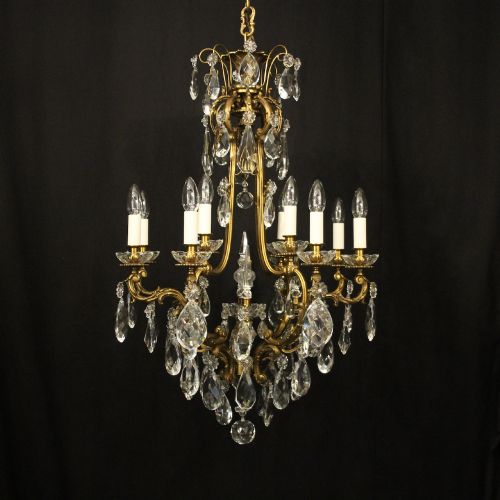
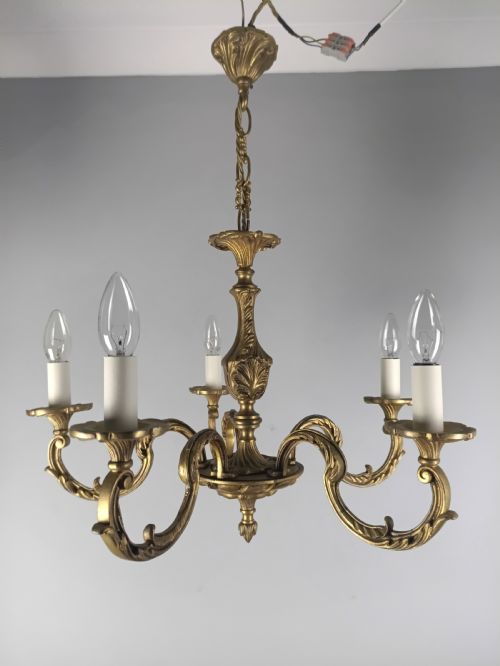
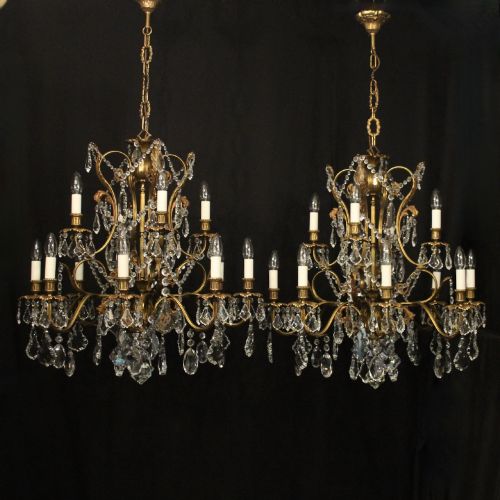
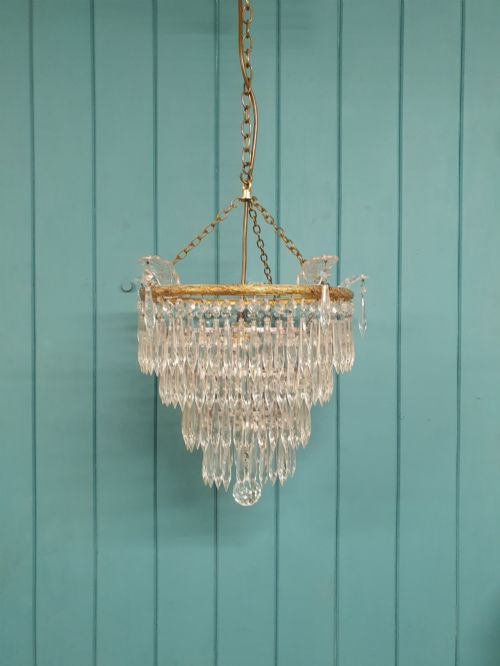
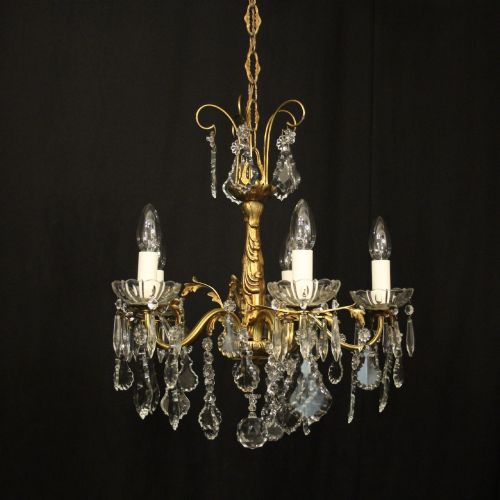
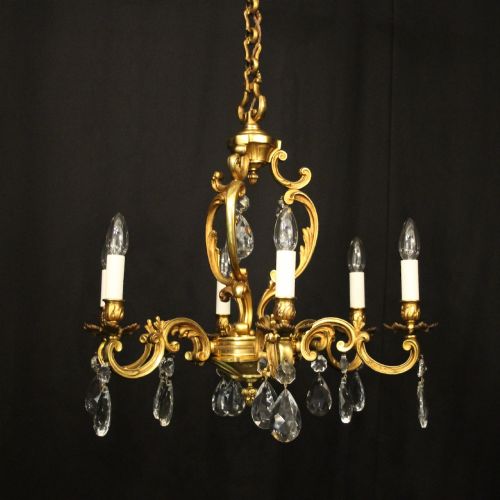
A gilt brass ceiling pendant encompasses various hanging illumination forms, most frequently appearing as multi-armed chandeliers and hall lanterns. These fixtures originate primarily from French and Italian workshops spanning the nineteenth and early twentieth centuries.
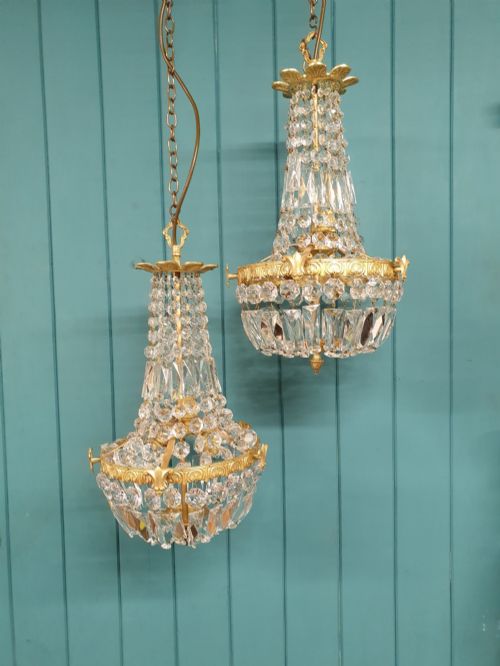
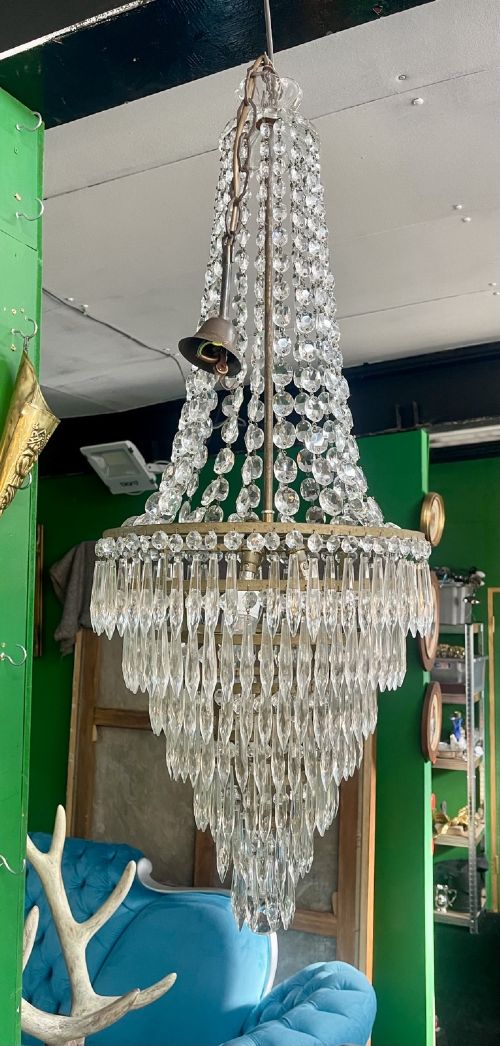
The selection ranges from elaborate French empire style crystal waterfall fittings to simpler Edwardian hall lanterns. Buyers encounter items incorporating glass, crystal, and porcelain elements alongside the primary metal structures.
Pieces bearing the designation gilt brass ceiling pendant often display distinct regional traits, such as Florentine floral motifs or strict neoclassical symmetry. The inventory reflects a strong representation of early twentieth-century production alongside nineteenth-century examples.
Materials and Construction
Makers utilised cast and chased brass, bronze, and gilt metal as the primary structural skeletons for these hanging fixtures. Gilding was applied to surfaces to provide a rich golden finish that reflects candle or incandescent light.
Crystal prisms, cut glass drops, and etched glass shades were suspended from the metal frames using wire loops and pins. Assemblages frequently combined iron or gesso cores with decorative bronze mounts and porcelain flower details.
Lantern variants integrated convex glass panels held securely within hinged brass or bronze frames. Wiring and electrical components were added during later updates, while original structural integrity relied on threaded rods and bolted joints.
The selection includes pieces dated from the nineteenth century up to the 1930s, featuring brass, bronze, crystal, and ceramic components.
Assessing Excellence
The refinement of the casting and chasing separates standard production from superior examples. Crisp detailing in foliate mounts, cherubs, and structural arms indicates skilled hand-finishing rather than mass-produced uniformity.
The integration and quality of the glass components determine overall brilliance. Cut crystal prisms with sharp facets and heavy, clear glass shades retain superior light dispersion compared to moulded alternatives.
Depth and durability of the original gilding dictate long-term visual appeal. Thicker applications of gold leaf or fire-gilt bronze endure cleaning better and maintain a deeper lustre over decades.
G.E.C
The Gilt Brass Ceiling Pendant Glossary
- Gilt brass
- A copper and zinc alloy treated with a gold-coloured finish or gold leaf. This material provides a bright, reflective base for decorative interior lighting.
- Chandelier
- A branched ornamental light fixture suspended from the ceiling. These fixtures hold multiple bulbs or candles across tiered arms.
- Hall lantern
- An enclosed hanging light designed specifically for corridors and entranceways. They frequently feature glass panels set within a metal framework.
- Prism
- A cut glass or crystal pendant hung from a lighting fixture to refract illumination. Coffin prisms and waterfall drops are common configurations.
- Ormolu
- A metallic technique involving the application of finely ground high-carat gold to a bronze object. It yields a rich, matte golden surface.
Gilt Brass Ceiling Pendant: Frequently Asked Questions
How do I hang a heavy brass pendant?
Suspension requires fixing directly into ceiling joists or using a substantial toggle anchor suited to the weight of the bronze or brass structure. A professional electrician should verify that the ceiling box supports the load safely.
Heavier multi-branch fixtures need steel chain reinforcement rather than relying solely on the electrical cord. Adjust the drop height carefully before securing the canopy against the ceiling.
How do I clean gilt brass safely?
Dust the metal gently with a soft microfibre cloth to remove surface particles without disturbing the finish. Avoid abrasive metal polishes that strip away the gilt layer.
Stubborn grime requires mild soapy water on a damp cloth, followed immediately by thorough drying. Crystal drops may be removed and washed individually before reattachment.
Are these pendants wired for modern use?
Many antique fixtures arrive with older wiring that requires replacement to meet current safety standards. Rewiring allows the integration of standard lamp holders while preserving the exterior antique components.
An accredited electrician can adapt the internal channels for modern bulbs without altering the visible brass or bronze exterior. Retaining original sockets is possible if safety checks permit.
How do I date a brass ceiling light?
Dating relies on stylistic clues, construction methods, and the specific composition of the brass or bronze. Neoclassical and empire styles point towards the nineteenth century, while simpler geometric lines often indicate early twentieth-century manufacture.
Examining fixing screws, casting seams, and glass-cutting techniques helps narrow the production window. Comparing the piece with documented catalogued designs provides further chronological clarity.