
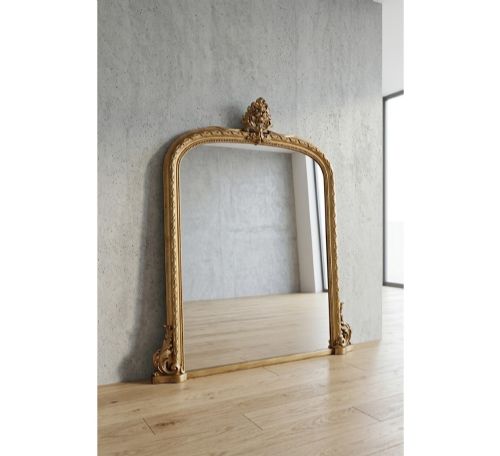
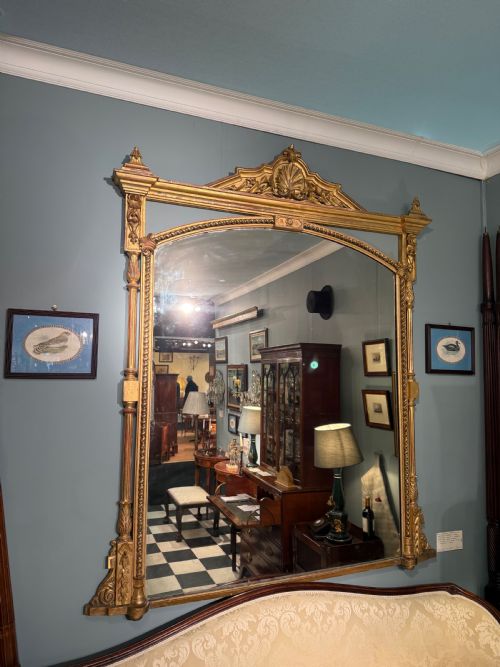
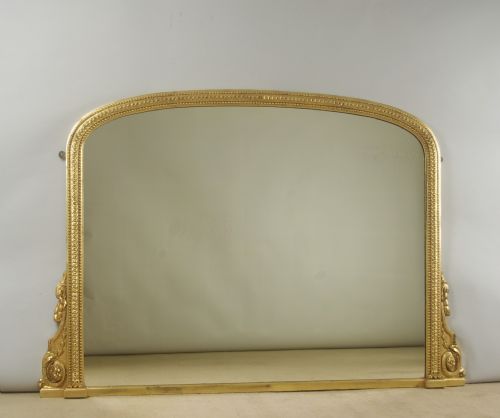
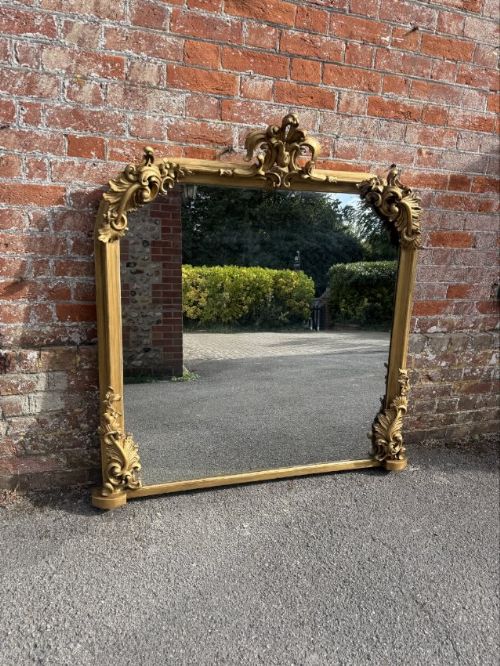


Gilt Arched Frame
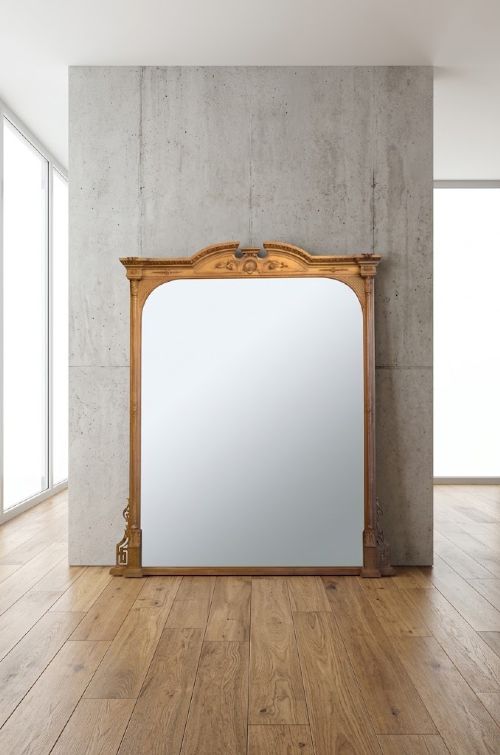
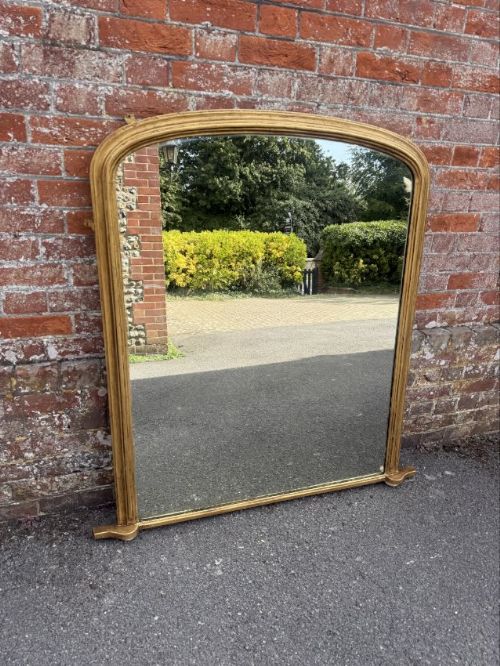
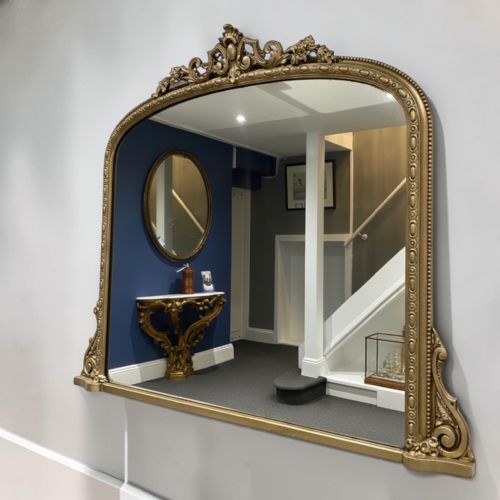
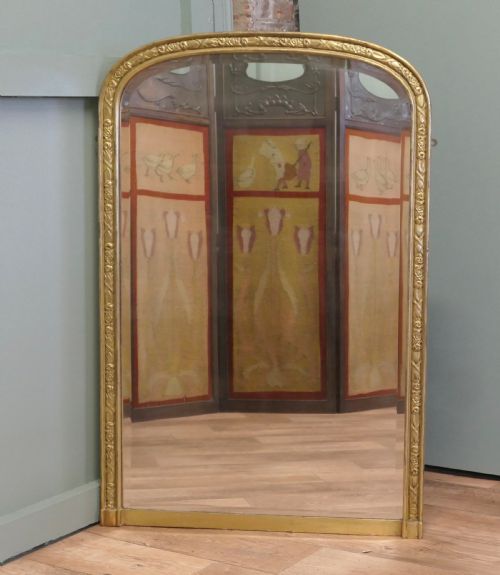
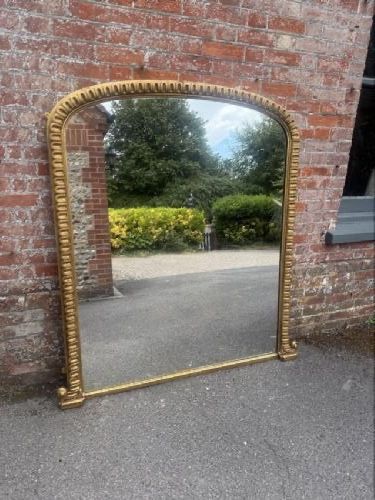
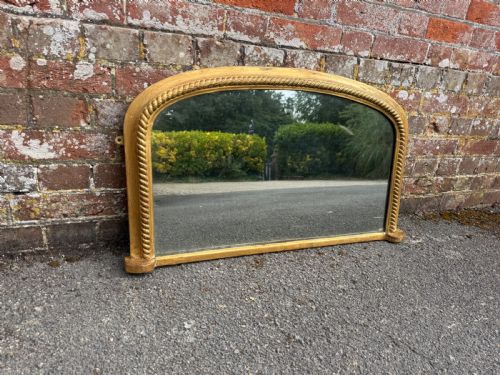
A gilt arched frame brings height, reflection and nineteenth-century presence to a room, functioning primarily as an overmantel or wall mirror.
Gilt Arched Frame
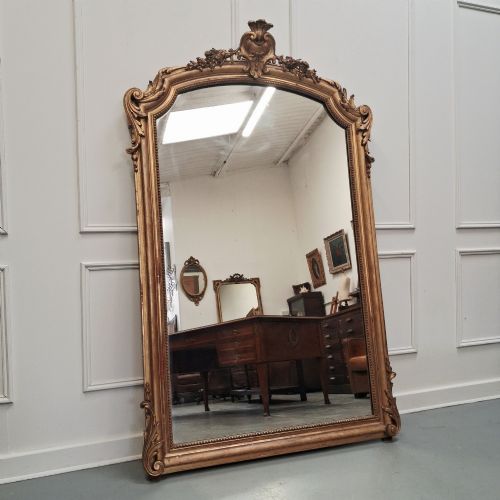
When searching for a gilt arched frame, buyers encounter large nineteenth-century overmantel mirrors and tall wall mirrors designed to sit above a fireplace or anchor a reception room. These pieces originate predominantly from English and French workshops spanning the Victorian era, the 1850s to the 1890s, and the Louis Philippe period.
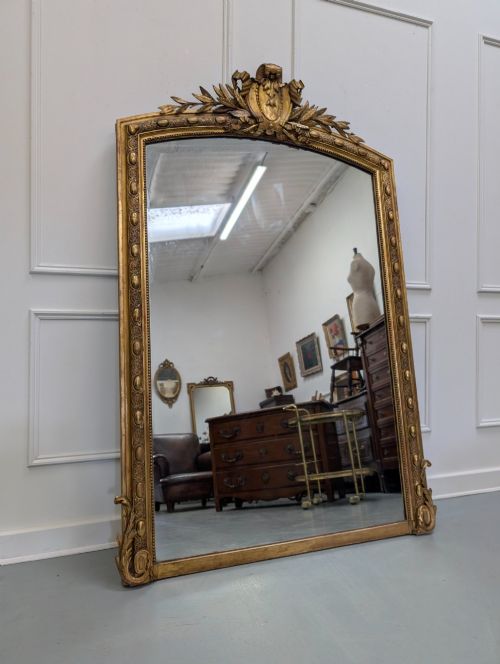
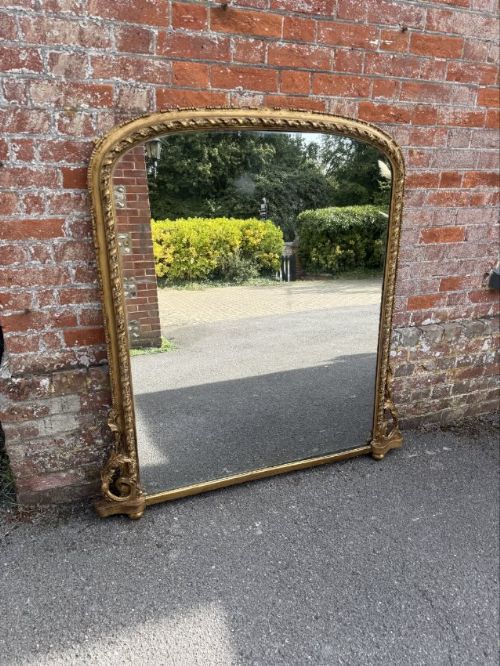
The dominant format on this page is the substantial overmantel mirror featuring a curved top, built to reflect light and expand the sense of space in high-ceilinged period interiors. Alongside these, French pier mirrors and simpler arched wall hangings appear regularly.
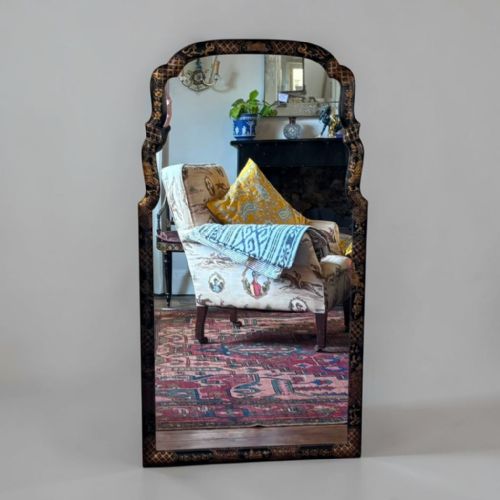
Object types span standard overmantel mirrors, architectural wall mirrors, and occasional framed artworks, all sharing the characteristic curved upper boundary.
How they were made
Makers constructed the foundational structure from timber, typically carving softwood or hardwood before applying layers of gesso to build up detailed surface ornaments. Artisans then applied gold leaf or gilding directly onto the prepared gesso base, often incorporating textured elements like rope twist, reeded, ribbed, or tulip motifs.
Glaziers set original mirror glass into the rebates, which frequently displays age-related foxing and mercury backing characteristics on nineteenth-century French and English examples.
Listings feature nineteenth-century pieces spanning the Victorian era, the 1850s, 1860s, 1870s, 1880s, and Edwardian periods, constructed from gesso, giltwood, and mirror glass.
What varies in quality
The crispness and depth of the carved wood and gesso ornamentation dictate the visual standard of a piece, distinguishing sharply moulded rope twists and laurel leaves from softer, shallower impressions. Originality of the gilding and the survival of the early mirror plate further separate high-tier examples from later restorations.
Proportion and scale also drive distinction, as particularly tall or neatly balanced frames maintain architectural harmony far better than awkwardly proportioned variants.
Henri Charles Angéniol
The Gilt Arched Frame Glossary
- Gesso
- A plaster-based mixture applied to wood frames to create a smooth or moulded surface for gilding. Artisans carved intricate decorative details directly into this hardened compound.
- Louis Philippe
- A French nineteenth-century design style characterised by understated elegance, gently rounded upper corners, and minimal ornamentation compared to earlier Rococo excesses.
- Foxing
- The natural ageing process of mirror glass where oxidation creates dark spots and speckles behind the reflective surface. Collectors prize authentic foxing as an indicator of genuine nineteenth-century age.
- Rope Twist
- A carved rope-like moulding pattern running along the border of the frame. This motif appears frequently on nineteenth-century English and French gilt mirrors.
Gilt Arched Frame: Frequently Asked Questions
Where should I hang an overmantel mirror?
These mirrors traditionally anchor the space directly above a fireplace mantelpiece, where their height draws the eye upward and balances the hearth below. They also function effectively on main reception room walls to reflect natural light.
Because nineteenth-century frames carry considerable weight, secure wall fixings into masonry or structural studs are essential to support the heavy timber and glass construction safely.
How do I identify a Louis Philippe mirror?
Louis Philippe mirrors typically feature softly rounded upper corners forming a gentle arch, accompanied by restrained decoration such as beaded or ribbed borders rather than heavy carving. They emerged in nineteenth-century France as a simpler alternative to ornate classical styles.
Examining the construction behind the frame often reveals traditional French joinery and older mirror plates with characteristic surface ageing.
What causes foxing on antique mirror glass?
Foxing occurs when moisture gradually penetrates the protective backing of the mirror plate over decades, reacting with the reflective silver or mercury layer. This creates characteristic dark clusters and speckled patterns across the glass.
Rather than a defect, this natural deterioration proves the antiquity of the glass and adds considerable historic character to nineteenth-century pieces.
How do I clean a giltwood frame?
Dust giltwood frames gently using a very soft, dry brush to prevent disturbing delicate gesso and gold leaf layers. Avoid using water, chemical cleaners, or modern polishes, which can strip historic gilding.
Keeping the frame away from direct heat sources and damp environments helps preserve the original nineteenth-century surface finish.