





Gilt and Blue Plate
When you search for a gilt and blue plate, you find ceramic service wares and cabinet displays united by cobalt pigment and gold leaf decoration.
Gilt and Blue Plate
A gilt and blue plate brings together contrasting rich cobalt glazes and metallic gold details across centuries of ceramic production. The phrase encompasses everything from utilitarian serving dishes to intricate cabinet plates designed purely for display.
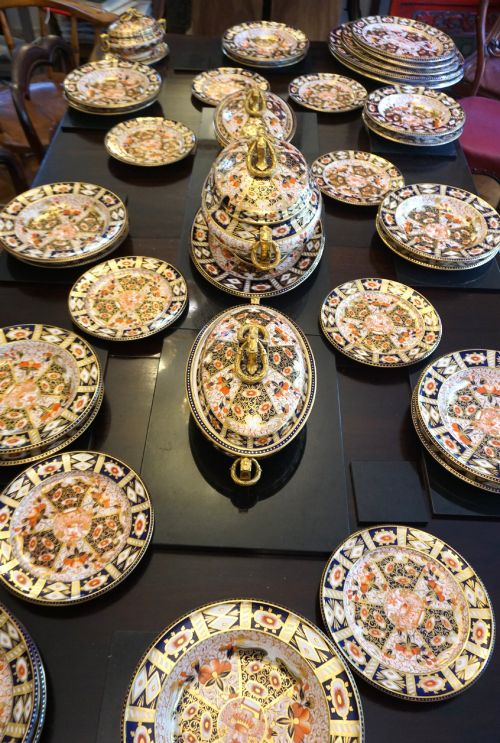
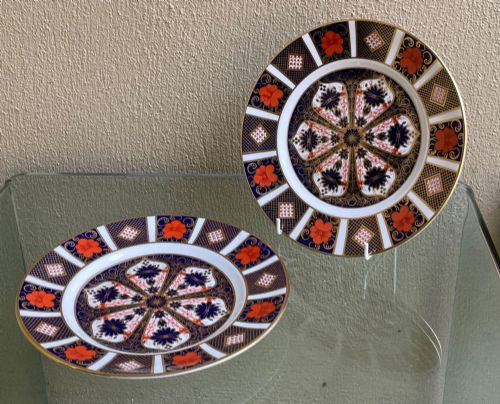
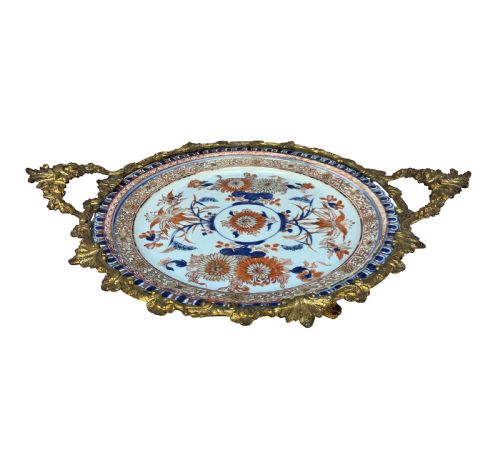
The pieces appearing on this page span several distinct periods, reaching from eighteenth-century English and continental porcelain factories through to Victorian and early twentieth-century iterations. Japanese Imari wares and Chinese export pieces sit alongside European factories including Worcester, Derby, and Sevres.
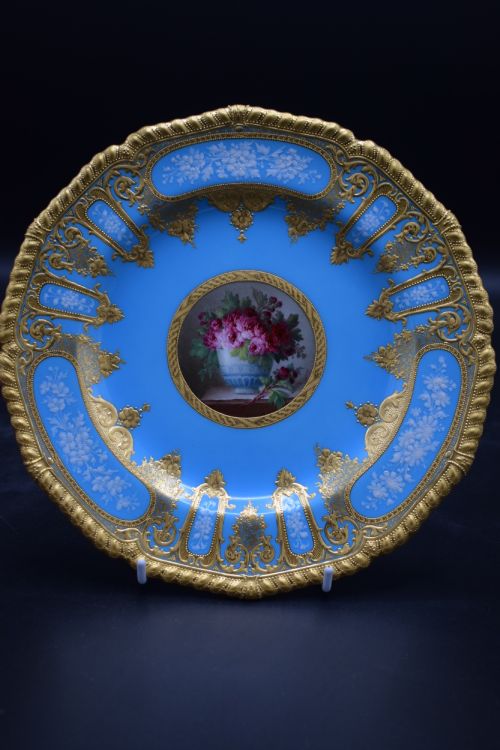
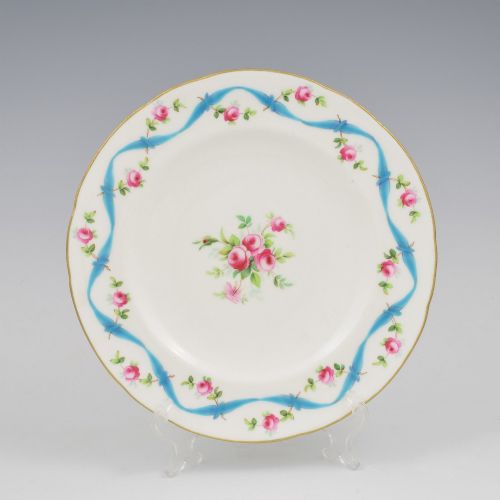
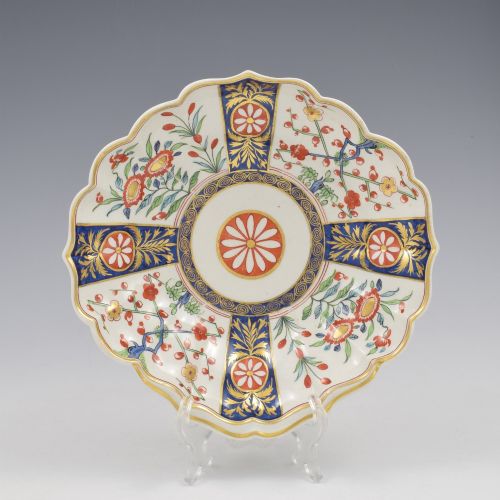
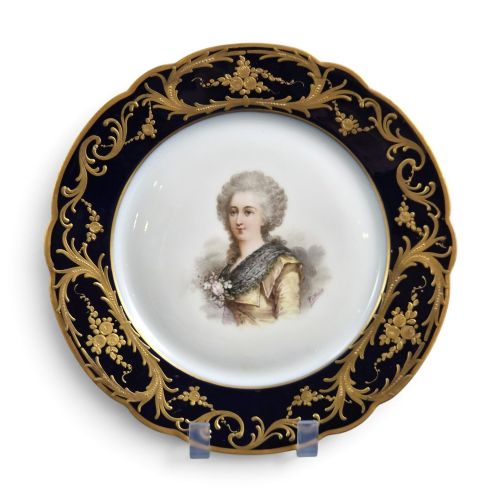
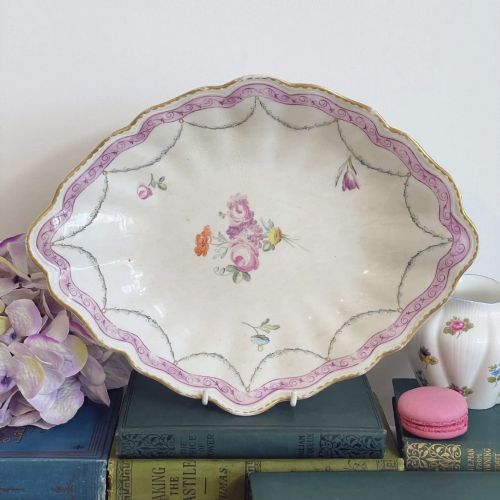
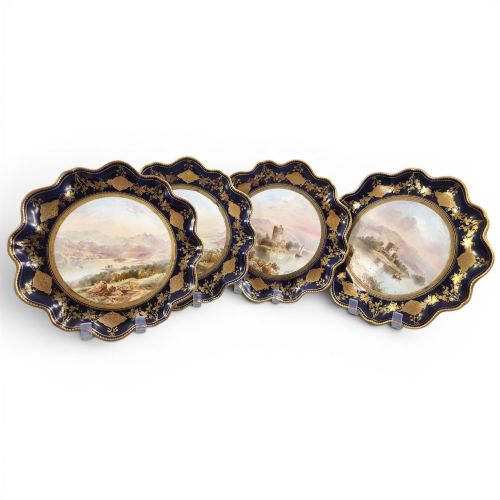
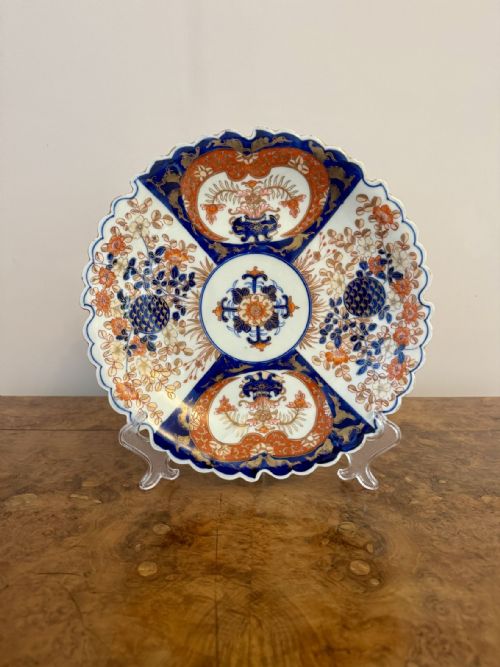
Forms vary significantly according to their original purpose, ranging from deep chargers and soup dishes to flat dessert plates and shell-shaped serving dishes. Many examples retain specific historical patterns, such as traditional Imari palettes or hand-painted botanical studies framed in gilded borders.
How they were made
Makers utilised hard-paste and soft-paste porcelain, bone china, and ironstone as the primary ceramic bodies for these plates. Cobalt glaze was typically applied beneath the transparent glaze before the initial high-temperature kiln firing, producing a stable, deep blue tone.
Gilding and gold leaf were applied by hand over the glazed surface and subjected to a secondary, lower-temperature firing to bond the precious metal. Enamel colours were often added alongside the gilding, requiring additional careful firings to fix the polychrome details permanently.
Gilt and Blue Plate Retail Price Guide 2026
Typical asking prices for gilt and blue plate among the pieces listed under this phrase on Sellingantiques today, from the lower quarter to the upper quarter. They describe what is for sale here now, not the wider market.
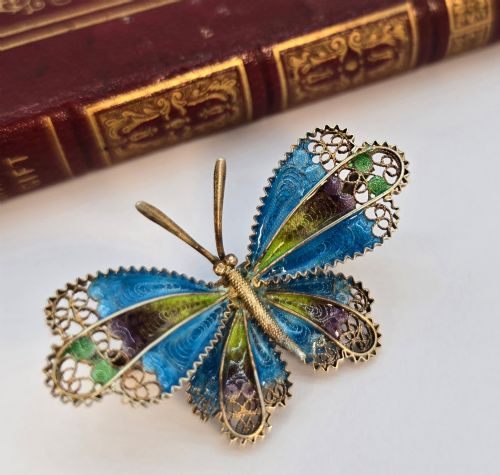
One recorded brooch pairs silver gilt and enamel with a butterfly form, proving that blue and gold travelled far beyond the dinner table.
What varies in quality
Quality rests heavily on the precision of the hand-painting and the depth of the cobalt pigment against the brightness of the gilding. Superior examples display crisp brushwork, particularly in detailed floral motifs or portraits, executed by known factory artists rather than routine factory painting hands.
The weight, translucency, and purity of the ceramic body also determine the tier of the piece. Heavier ironstone and sturdy utility wares differ markedly from the delicate, thin-walled porcelain created for wealthy households and royal commissions.
Davenport·Dr Wall Worcester·Royal Crown Derby·Sèvres·Royal Worcester·Meissen
The Gilt and Blue Plate Glossary
- Cabinet plate
- A decorative plate intended for display in a cabinet or on a wall rather than for practical dining use. These often feature elaborate hand-painted scenes, extensive gilding, and prominent maker marks.
- Cobalt glaze
- A deep blue ceramic pigment derived from cobalt oxide that remains stable at high kiln temperatures. It provides the characteristic dark blue backdrop seen on many porcelain and ironstone pieces.
- Gilding
- The application of gold leaf or powdered gold to the surface of ceramics to create metallic decorative accents. On older pieces, this is often applied thickly and burnished by hand.
- Imari pattern
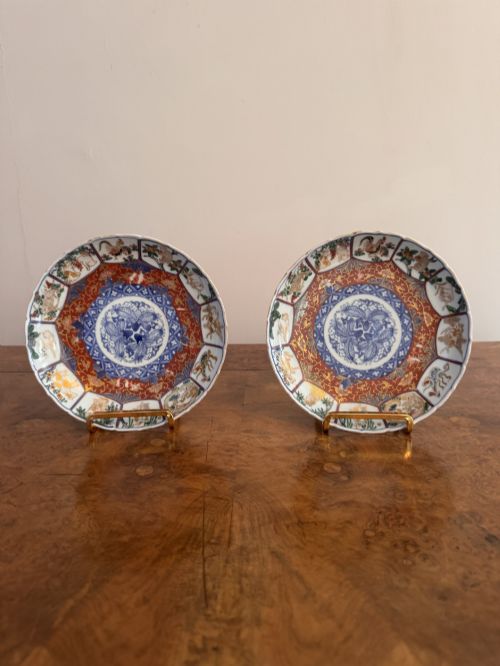
- A decorative style originating in Japan and widely copied by European factories, traditionally combining underglaze blue, iron red, and abundant gold highlights. The palette creates a dense, colourful surface across the plate.
- Ironstone
- A heavy, durable type of earthenware developed in the nineteenth century as a tougher alternative to porcelain. It offered factories a sturdy body suitable for large dinner services and heavy daily use.
Gilt and Blue Plate: Frequently Asked Questions
How do I date a gilt and blue plate?
Dating relies primarily on factory backstamps, impressed marks, and registration numbers found on the underside of the ceramic body. Stylistic shifts between Georgian restraint, Victorian exuberance, and later Art Deco forms also help narrow the period of manufacture.
Changes in the composition of the paste, such as the transition from soft-paste porcelain to bone china or ironstone, offer further chronological clues. Comparing hand-painted motifs with documented factory pattern books confirms the likely decade of production.
Are these plates safe for daily dining?
Most antique cabinet plates and decorative chargers are unsuited to modern heavy daily use or dishwashers. The delicate overglaze gilding and hand-painted enamel details can wear away with frequent washing and cutlery contact.
Utilising them occasionally for serving dry foods is generally acceptable, provided they are washed gently by hand afterwards. Many collectors prefer to mount them on walls or display them securely in cabinets to preserve the surface.
What is the difference between Imari and other blue and gold styles?
Imari patterns incorporate a specific palette featuring deep cobalt blue, iron red, and heavy gold leaf, often arranged in intricate panel designs. Other blue and gold styles rely purely on monochrome blue underglaze scenes paired with gilded borders or European floral arrangements.
Traditional Japanese Imari wares influenced European factories to produce their own versions, leading to distinct regional interpretations of the aesthetic. Identifying the paste and the backstamp usually clarifies whether a piece is European or Asian in origin.