



Gillows Furniture Chest
Gillows furniture chest pieces are substantial English storage items built with notable timber and disciplined proportion that bring dependable utility to a room.
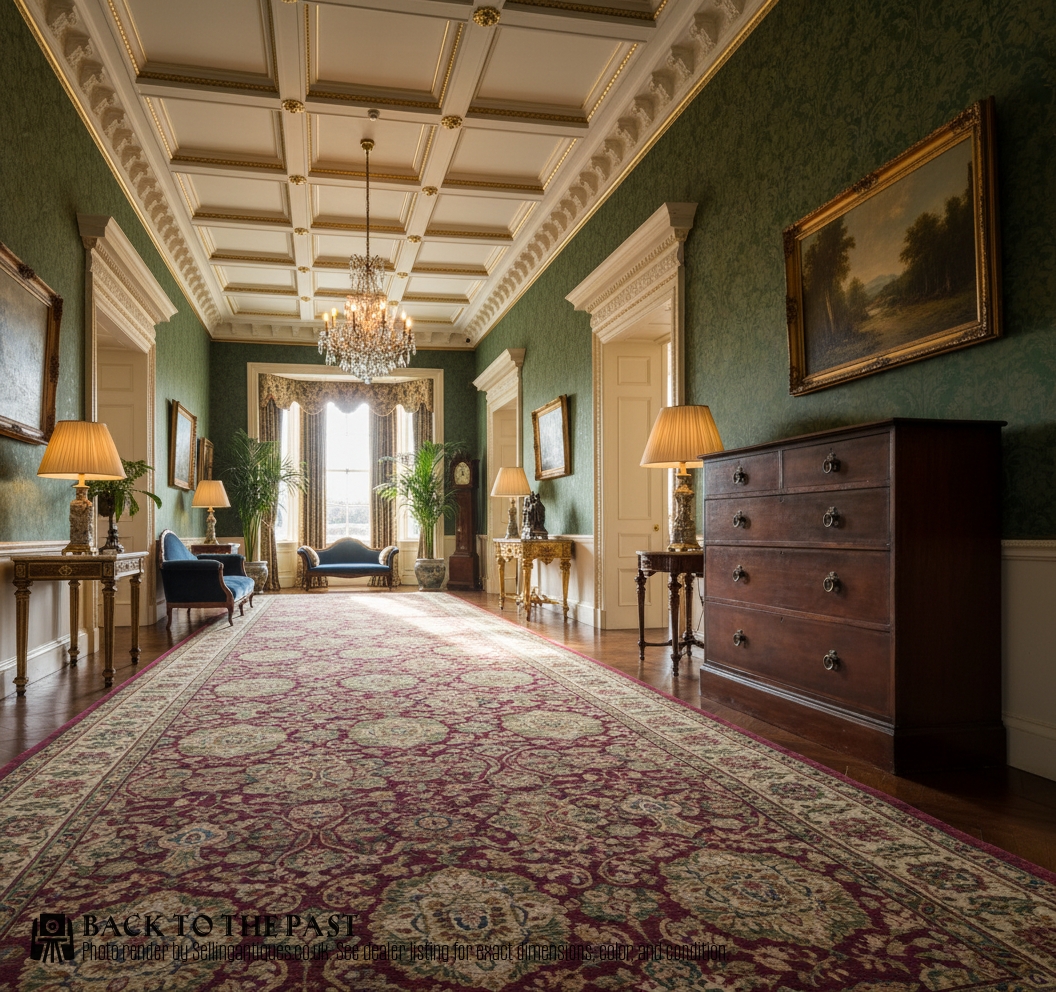
Gillows Furniture Chest
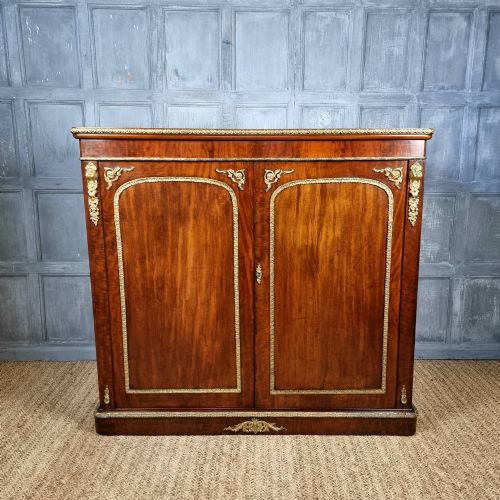
A gillows furniture chest brings together practical storage forms like standard chests of drawers, Wellington chests, and enclosed cabinets with the distinct craftsmanship associated with the Lancaster and London workshops. These pieces span periods from the eighteenth century through the Edwardian era, showing both Georgian restraint and Victorian decorative ambition.
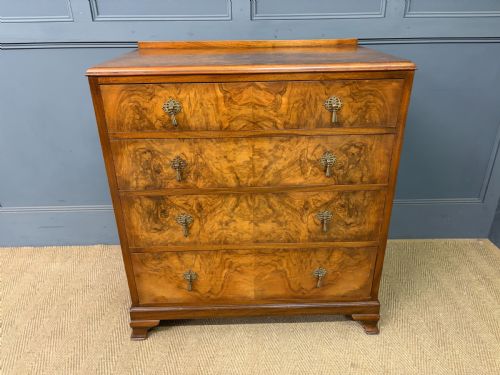
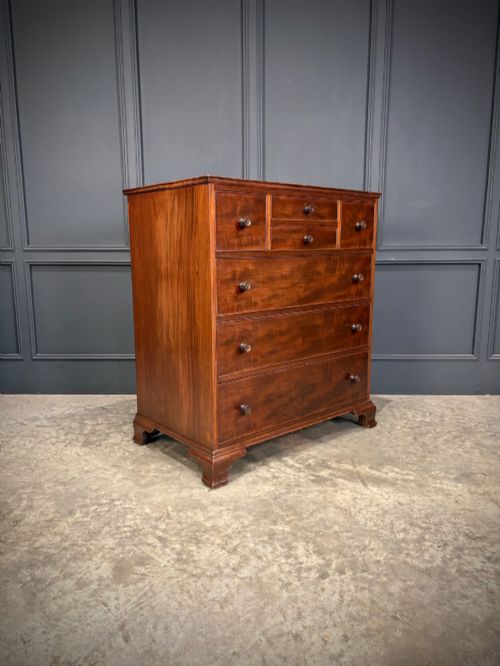
The versions most commonly met on this page include mahogany chests of drawers, satinwood dressing tables, and specialised items like cellarettes or tea poys bearing the firm's stamp or characteristic construction. Buyers encounter forms ranging from simple George III mahogany carcases to highly figured burr walnut and flame mahogany surfaces.
Every gillows furniture chest reflects the transition of utility over generations, appearing as tall secretaire bookcases, serpentine fronted chests, or compact Wellington chests designed for secure storage. The variety in these listings demonstrates the firm's capacity to supply both austere functional pieces and elaborately inlaid luxury items.
Materials and construction methods
Makers utilised dense primary timbers such as mahogany, satinwood, burr walnut, and oak to build robust carcases that withstand heavy daily use. Flame mahogany veneers and figured grain patterns were selected with care to present a striking visual exterior on drawer fronts and top surfaces.
Fine brass handles, escutcheons, and occasional ormolu mounts provide functional hardware that complements the dark or golden tones of the wood. Joinery techniques prioritize tight drawer construction and stable framing, ensuring the structure remains true across centuries of changing household climates.
Gillows Furniture Chest Retail Price Guide 2026
Typical asking prices for gillows furniture chest among the pieces listed under this phrase on Sellingantiques today, from the lower quarter to the upper quarter. They describe what is for sale here now, not the wider market.
Cellarettes tucked beneath sideboards ensured the household port remained safely locked away from curious staff.
Judging quality in a gillows furniture chest
The distinction between standard workshop output and top tier pieces rests on the choice of timber and the precision of the secondary woods used inside the drawers. Oak linings and meticulously matched grain patterns across multiple drawer fronts signal higher workshop ambition.
Subtlety in carving, the crispness of inlay work, and the integration of specialised mechanisms such as locking stiles on Wellington chests separate exceptional examples from routine utility items.
Gillows·Waring and Gillow
The Gillows Furniture Chest Glossary
- Wellington chest
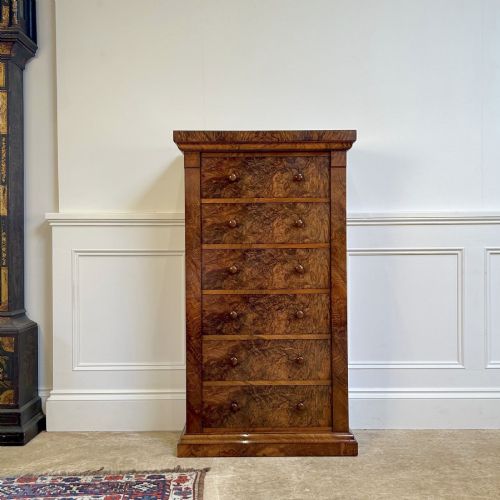
- A tall, narrow chest of drawers secured by a hinged locking side bar that fastens over the drawer edges. This form offers secure storage with a compact footprint.
- Cellarette
- A fitted subterranean or freestanding box designed for storing wine bottles safely within a dining room. These containers often feature internal dividers and lead lining.
- Secretaire bookcase
- A tall cabinet combining a shelved upper library section with a drop-front writing drawer above lower storage drawers. It served as a multi-purpose study desk.
- Tea poy
- A small lidded chest mounted on a central pillar or legs, designed to hold loose tea leaves and mixing bowls. They showcase fine cabinet-making in miniature forms.
- Flame mahogany
- A veneer cut from the branch junction of a mahogany tree, creating a dramatic, flickering flame-like grain pattern. It was favoured for principal display surfaces.
Gillows Furniture Chest: Frequently Asked Questions
How do I identify a genuine piece?
Look for stamped maker signatures, workshop numbering, or characteristic structural details such as secondary oak drawer linings and precise dovetailing.
Comparing the timber selection and proportions against documented workshop examples helps confirm the origin of the piece.
Where were these pieces made?
The firm operated primary workshops in Lancaster and later in London, supplying affluent households across Britain.
Regional cabinet-makers executed designs ranging from provincial George III styles to elaborate Victorian revival pieces.
How do I care for the wood surface?
Maintain a stable indoor environment away from direct heat sources and strong sunlight to prevent the timber from drying out.
Apply traditional beeswax periodically to nourish the polish and preserve the natural grain of the mahogany or walnut.
What is a Wellington chest used for?
This tall, narrow form was originally designed for storing linen, documents, or personal clothing in a bedroom or dressing room.
The locking stile mechanism ensured that all drawers remained secure with a single key turn.