





Gillows Drop Leaf Table
A gillows drop leaf table brings understated Lancaster craftsmanship into a room, offering adaptable surfaces built to last through generations of daily use.
Gillows Drop Leaf Table
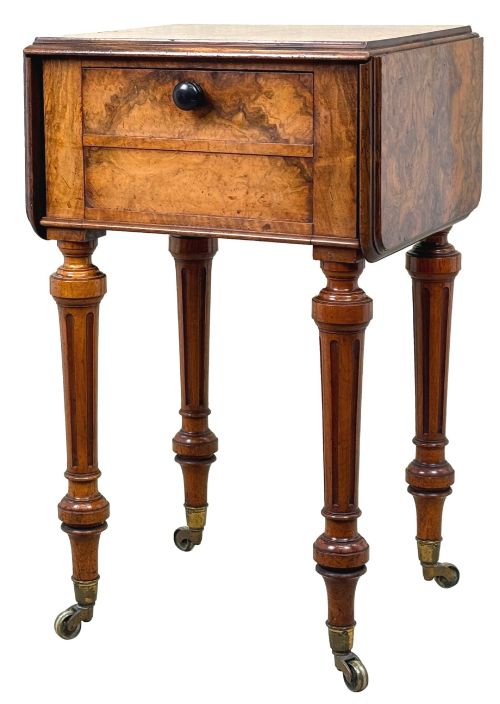
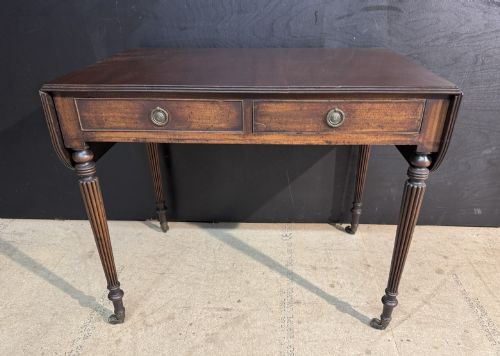
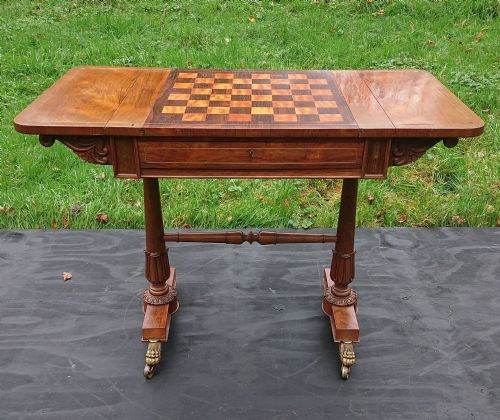
A gillows drop leaf table encompasses various forms designed for practical flexibility in period interiors, spanning multiple functional types. When exploring a gillows drop leaf table, buyers encounter formats ranging from compact work tables and pembroke designs to larger dining and sofa tables.
The pieces appearing on this page originate from distinct eras including the Georgian, Regency, William IV, and Victorian periods. Mahogany and rosewood dominate the material selection, alongside walnut and burr walnut veneer, reflecting the firm's material preferences.
Makers and workshops associated with these pieces range from stamped or attributed examples to items produced in the distinct gillows style. Each piece demonstrates the structural integrity and functional adaptability characteristic of Lancaster cabinet making.
Materials and Construction
Construction relies heavily on dense hardwoods such as mahogany and rosewood, selected for their stability and rich grain patterns. Walnut and burr walnut veneer also appear, applied to surfaces to create decorative visual interest.
Secondary materials including brass hardware, leather, and fabric inserts contribute to the functionality of specialised forms like games and writing tables. Joinery techniques ensure that hinged leaves and pull-out components operate smoothly while maintaining structural rigidity.
Gillows Drop Leaf Table Retail Price Guide 2026
Typical asking prices for gillows drop leaf table among the pieces listed under this phrase on Sellingantiques today, from the lower quarter to the upper quarter. They describe what is for sale here now, not the wider market.
Object types span side tables, work tables, dining tables, sofa tables, games tables, and writing desks.
Markers of Quality
Quality in these pieces rests upon the crispness of timber selection and the precision of mechanical elements like drop leaves and drawers. Finely figured mahogany or rosewood and subtle secondary details elevate an example above standard production.
The presence of maker stamps or distinct attribution provides a direct link to the Lancaster workshop tradition. Construction depth, such as integrated chess boards or fitted interiors, distinguishes sophisticated multi-purpose tables from simpler utility pieces.
Gillows of Lancaster
The Gillows Drop Leaf Table Glossary
- Drop leaf table
- A table with a fixed central section and hinged flaps that fold down when not in use. This design allows the furniture footprint to adjust according to space requirements.
- Pembroke table
- A small rectangular table featuring two hinged drop leaves on opposite sides, frequently fitted with one or more drawers. It gained popularity during the eighteenth and nineteenth centuries as a versatile occasional piece.
- Sofa table
- A narrow rectangular table traditionally placed in front of a sofa, equipped with drop leaves at either end. These pieces often incorporate drawers or under-tiers.
- Work table
- A compact table designed for needlework and domestic crafts, usually featuring fitted interior compartments and a fabric bag suspended below. They double effectively as occasional or side tables.
- Regency
- A design period spanning the early nineteenth century, characterised by classical restraint, architectural lines, and inspiration from antiquity. Furniture from this era often utilises dark hardwoods and brass inlay.
Gillows Drop Leaf Table: Frequently Asked Questions
How do I identify a genuine piece?
Look for maker stamps, crisp timber selection, and construction methods characteristic of Lancaster workshops.
Attributed pieces often display stylistic markers and proportions consistent with documented examples from the firm.
What periods do these tables represent?
The available pieces span the Georgian, Regency, William IV, and Victorian eras.
Each period brings distinct timber choices and design details, from classical restraint to heavier nineteenth-century proportions.
How were work tables used historically?
Work tables served as specialised furniture for sewing, needlework, and writing tasks in domestic settings.
Their fitted interiors and drop leaves provided adaptable surfaces that could expand or contract based on daily activities.
Are drop leaf tables suitable for dining?
Certain larger forms function effectively as dining or centre tables when the leaves are fully extended.
Smaller pembroke and occasional versions suit smaller spaces or serve as side tables.