



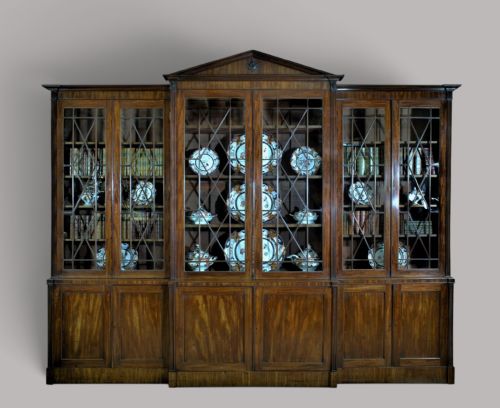


Gillows Display Cabinet
These gillows display cabinet pieces combine fine cabinet-making with glass-fronted storage, offering a practical way to exhibit and preserve treasured objects.
Gillows Display Cabinet
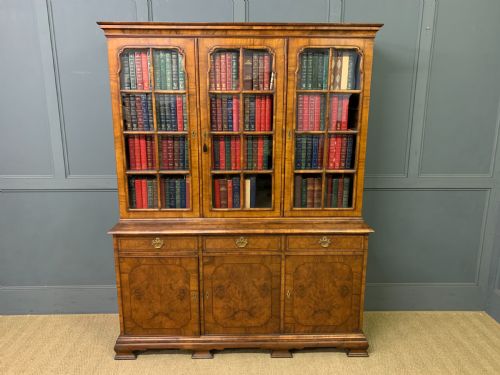
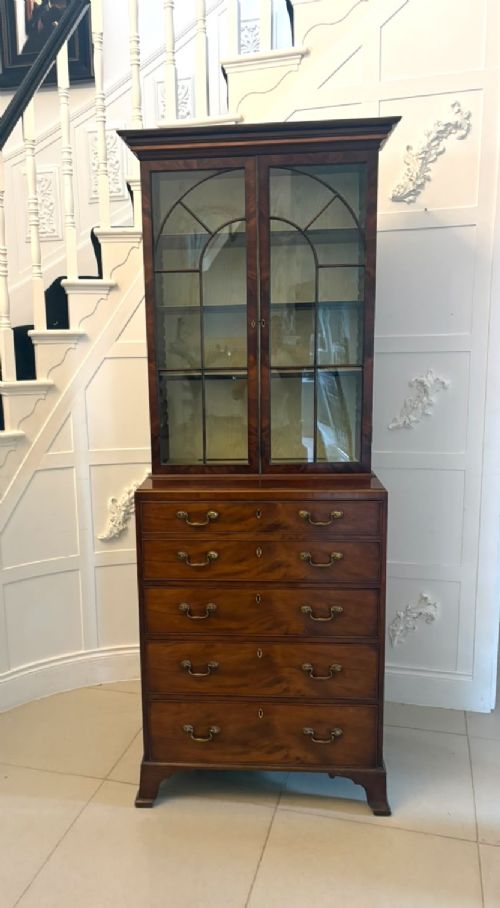
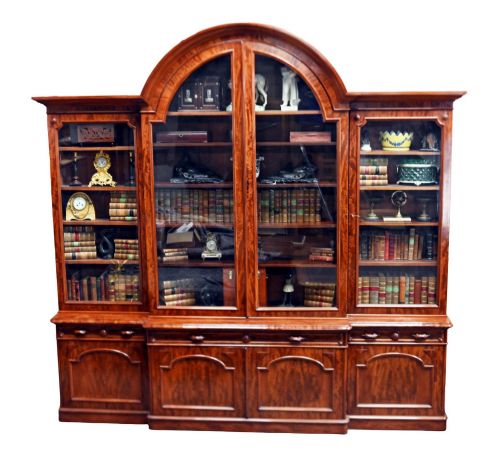
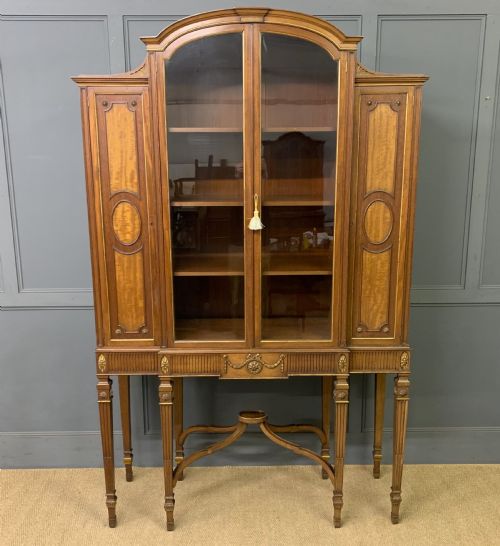
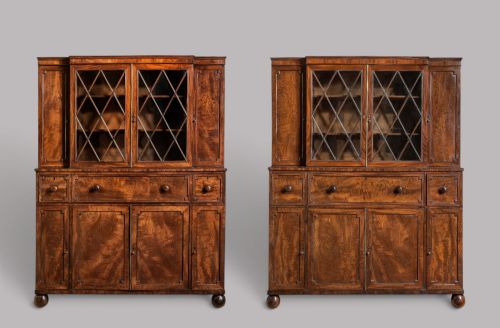
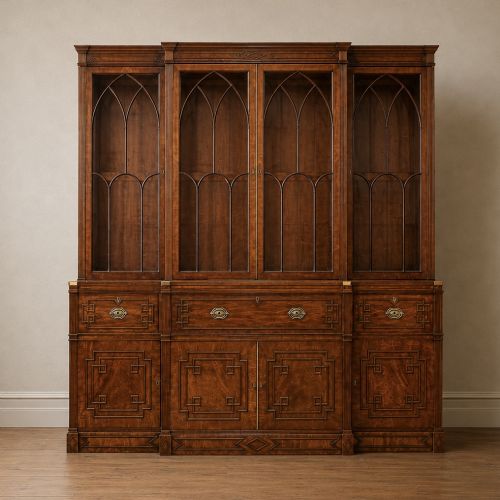
A gillows display cabinet brings together the rigorous standards associated with this notable firm, appearing in forms such as large breakfront bookcases, side cabinets, and credenzas. These items serve primarily to protect and display collections of books, porcelain, or curiosities behind glazed doors.
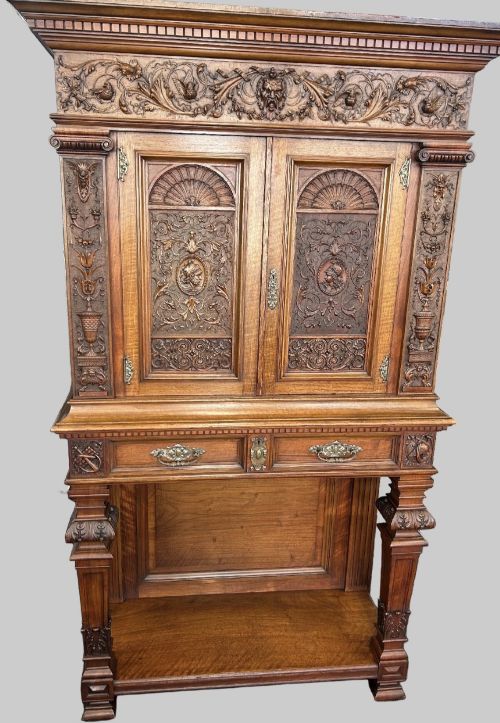
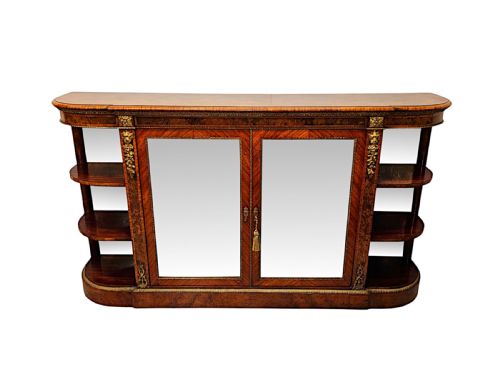
The pieces on this page span several centuries, reaching from the Georgian and Regency periods through the Victorian era into the twentieth century with Waring and Gillow. Buyers encounter diverse manifestations, including library bookcases with astragal glazing and burr walnut side cabinets mounted with ormolu.
Originating from workshops known for precise construction, these cabinets range from grand breakfront library pieces to smaller side cabinets and chiffoniers. Each form reflects the changing domestic requirements of polite society across different eras.
How they were made
Makers utilised dense timbers such as mahogany, oak, and walnut, often selecting figured veneers like burr walnut and satinwood for visible surfaces. These woods provide both structural stability and rich decorative grain patterns.
Brass hardware, ormolu mounts, and delicate glass panes complement the timber construction. Joinery techniques include precise framing for glazed doors and careful inlay work such as marquetry.
Gillows Display Cabinet Retail Price Guide 2026
Typical asking prices for gillows display cabinet among the pieces listed under this phrase on Sellingantiques today, from the lower quarter to the upper quarter. They describe what is for sale here now, not the wider market.
Some nineteenth-century cabinets hide pull-down writing drawers, allowing owners to write secret letters behind locked library doors.
What varies in quality
The standard of execution depends upon the selection of timber figures and the precision of decorative elements such as marquetry inlay and carved relief work. Finer examples display meticulous attention to timber matching across large expanses like breakfront doors.
Hardware integration and internal fittings contribute significantly to the overall merit of a piece. Original ormolu mounts, well-fitted glass glazing bars, and stamped signatures or attributions elevate the standing of a cabinet.
Gillows·Waring and Gillow
The Gillows Display Cabinet Glossary
- Breakfront
- A piece of furniture having a central section that projects forward from the flanking sections. This configuration adds architectural depth to large bookcases and side cabinets.
- Astragal glazed
- Fitted with narrow wooden or metal bars holding small panes of glass in a window or cabinet door. These bars often form geometric or Gothic patterns.
- Ormolu
- Gilded bronze used for decorative mounts and ornamentation on furniture. It provides metallic contrast against dark woods like mahogany and walnut.
- Marquetry
- Decorative veneer work formed by fitted pieces of different coloured wood or other materials. It creates pictorial or geometric designs on cabinet doors and panels.
- Secretaire
- A desk or cabinet featuring a pull-down writing flap concealing small drawers and pigeonholes. It combines the utility of a writing surface with enclosed storage.
Gillows Display Cabinet: Frequently Asked Questions
How do I identify a Gillows cabinet?
Look for physical stamps, maker signatures, or distinctive construction methods associated with the firm's workshops. Documentation and provenance records also help confirm attribution.
Compare the timber quality and secondary woods with known examples from the same period to verify authenticity.
What periods do these cabinets represent?
The pieces span from the Georgian and Regency eras through the Victorian period up to the early twentieth century. Each era brings distinct proportions and decorative vocabulary.
Neoclassical Revival and Renaissance Revival styles also appear among the later nineteenth-century examples.
How were these cabinets used originally?
Library bookcases and display cabinets housed valuable book collections and scholarly curiosities. Side cabinets and credenzas served dining rooms and reception rooms for storage and display.
Glazed doors protected delicate items from dust while allowing them to be viewed easily by guests.
How do I care for a mahogany or walnut cabinet?
Keep the wood away from direct sunlight and heat sources to prevent timber splitting and veneer lifting. Maintain stable room humidity to protect the structure.
Clean surfaces gently with a soft dry cloth and avoid harsh chemical polishes that can damage antique finishes.