



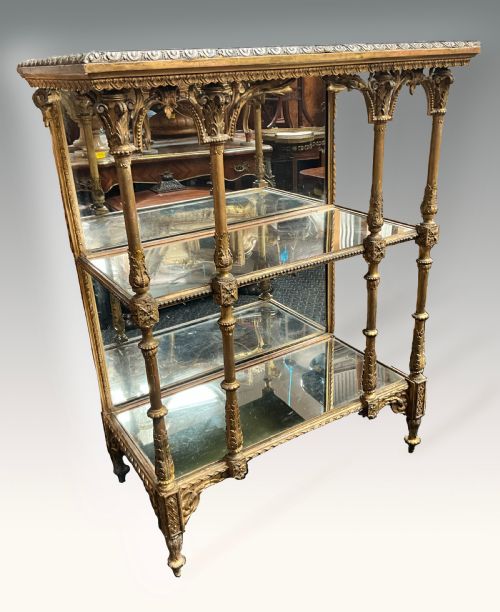


Gilded Wood Wall Shelves
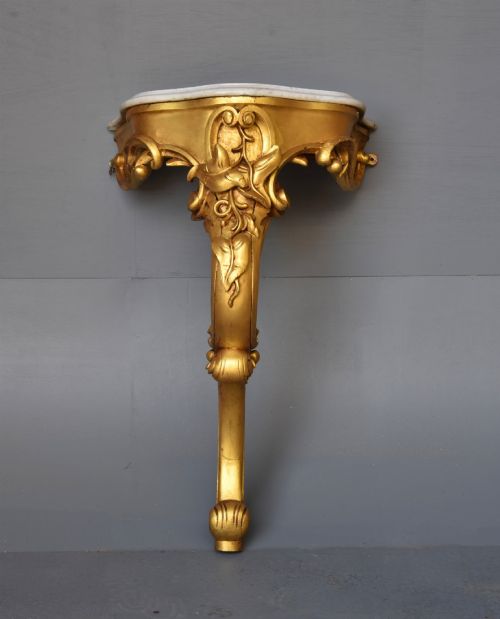
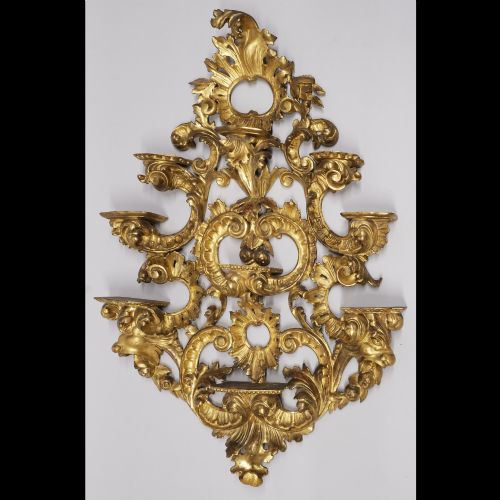
These gilded wood wall shelves catch the light instantly, offering sturdy display platforms carved in ornate historical revival styles.
Gilded Wood Wall Shelves
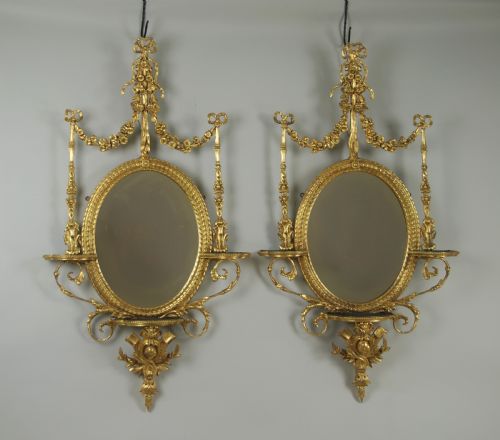
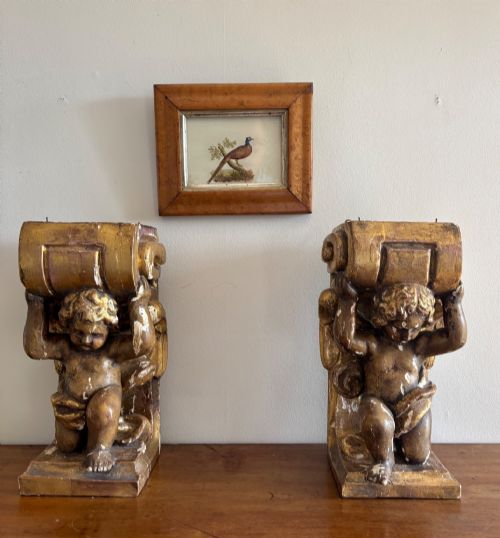
Gilded wood wall shelves span several centuries, with nineteenth century Victorian pieces appearing most frequently alongside eighteenth century examples. Buyers encounter various forms including carved wall brackets, console tables, and mirrored display shelves designed to hold small decorative objects.
The aesthetic draws heavily from revival movements such as Rococo, Baroque, and Neoclassical, reflecting Italian and French influences. These architectural fittings mount directly to interior walls to provide compact surface area in reception rooms and hallways.
Construction and Materials
Carved timber forms the structural base of these pieces, often layered with gesso to create smooth surfaces for detail work. Artisans then applied gold leaf to the prepared mouldings to achieve a metallic sheen that catches ambient light.
Some examples combine the gilded woodwork with inset glass panels, marble tops, or contrasting ebonised elements. Skilled carvers shaped elaborate foliage, scrolls, and architectural motifs by hand before the finishing coats were applied.
Gilded Wood Wall Shelves Retail Price Guide 2026
Typical asking prices for gilded wood wall shelves among the pieces listed under this phrase on Sellingantiques today, from the lower quarter to the upper quarter. They describe what is for sale here now, not the wider market.
Some Victorian wall brackets hid tiny secret ledges behind curling acanthus leaves, meant for stashing calling cards.
Judging Quality
The crispness of the hand-carved detail distinguishes superior examples from standard production pieces, particularly where acanthus leaves and scrolls meet. Depth of relief and the precision of the gesso preparation underneath the gold leaf dictate how well the surface reflects light over time.
The integrity of the underlying timber and the harmonious integration of secondary materials like marble tops or mirror plates indicate the original maker's skill. Pieces retaining their early or original gilding possess greater visual depth than heavily restored surfaces.
Henri Dasson
The Gilded Wood Wall Shelves Glossary
- Giltwood
- Timber that has been coated with thin sheets of gold leaf over a prepared base. This technique protects the wood while providing a brilliant metallic finish.
- Gesso
- A plaster mixture applied to carved wood to create a smooth surface for gilding. It allows craftsmen to achieve sharp, detailed relief work.
- Wall bracket
- A projecting architectural support fixed to a vertical surface. In domestic interiors, it functions as a small shelf for displaying ornaments.
- Console table
- A table supported by wall brackets or console legs, designed to fit flat against a wall. Many historical examples include an integrated upper shelf or mirror.
Gilded Wood Wall Shelves: Frequently Asked Questions
How do I mount a heavy gilded wall bracket safely?
These pieces require secure fixing into solid masonry or direct attachment to wall studs using appropriate steel screws andrawl plugs. Because carved wood and gesso add substantial weight, professional installation ensures the bracket bears load securely without damaging the plaster.
Distributing the weight evenly across the shelf platform prevents strain on the structural joints and decorative carvings. Checking the wall fixings periodically maintains stability as older timbers settle.
What rooms suit gilded wood wall shelves best?
Halls, drawing rooms, and dining spaces provide ideal settings where ambient light can catch the reflective gold leaf surfaces. Placing them at eye level or above a mantelpiece creates a strong focal point for displaying small sculptures or porcelain.
Keeping them away from direct heat sources and moisture prevents the gesso and gold leaf from cracking or lifting over time. Their compact footprint also makes them suitable for adding surface area to narrow corridors.
How do I distinguish eighteenth century from Victorian pieces?
Eighteenth century examples often display softer, hand-carved contours associated with authentic Italian or French Rococo and Neoclassical movements. Victorian pieces from the nineteenth century frequently employ denser gesso work and heavier revival styling influenced by Baroque and Renaissance motifs.
Examining the tool marks on the reverse and the composition of the gesso layer helps clarify the manufacturing era. Regional carving traditions also leave distinct signatures in the execution of foliage and scrolls.
Can these shelves support heavy decorative objects?
Most wall brackets and display shelves are engineered to hold moderate weights such as small clocks, bronzes, or porcelain figurines. Overloading the platform risks straining the historical joints where the bracket meets the backplate.
Reviewing the sturdiness of the wall joint and the thickness of the timber shelf provides a practical guide for what to display. Lighter decorative items allow the ornate carved backplate to remain the primary visual feature.