





Gilded Wood Sconce Mirror
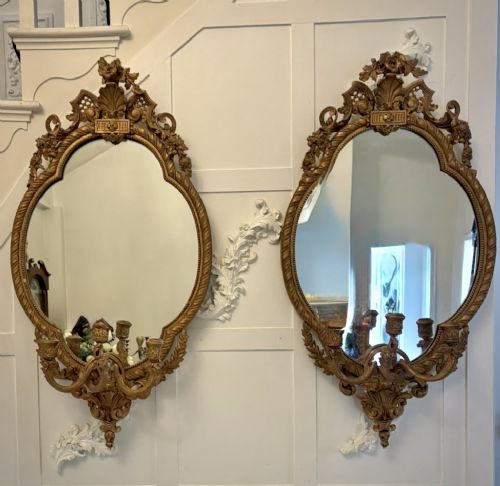
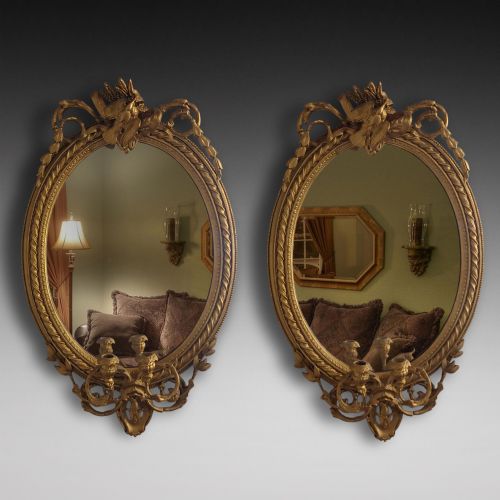
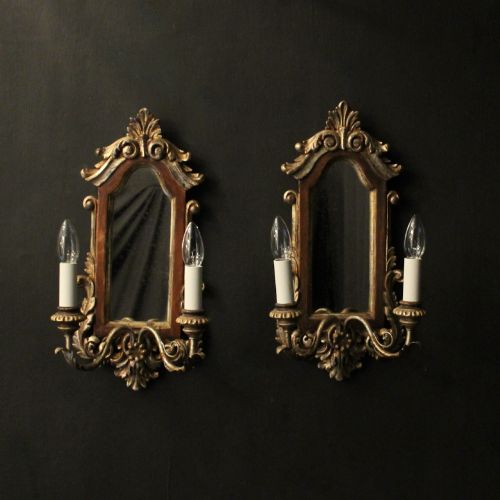
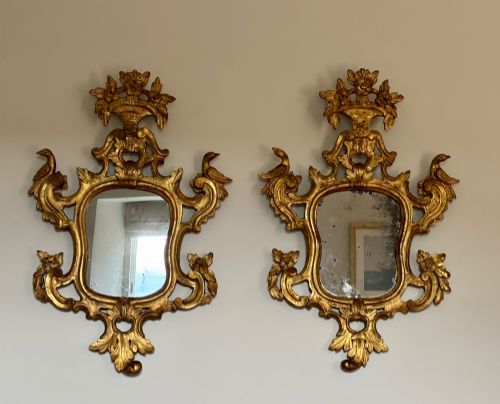
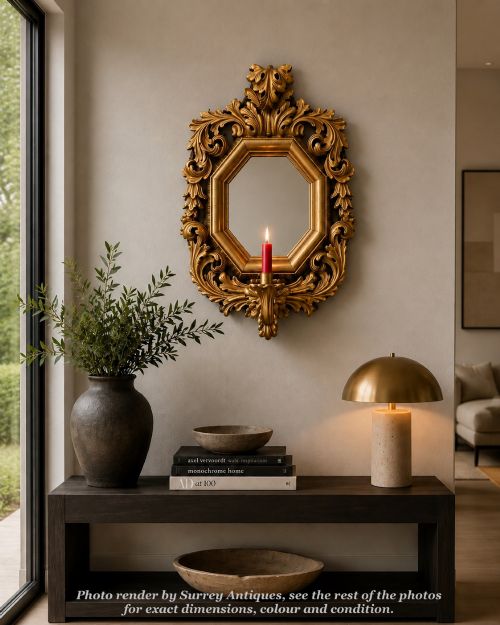
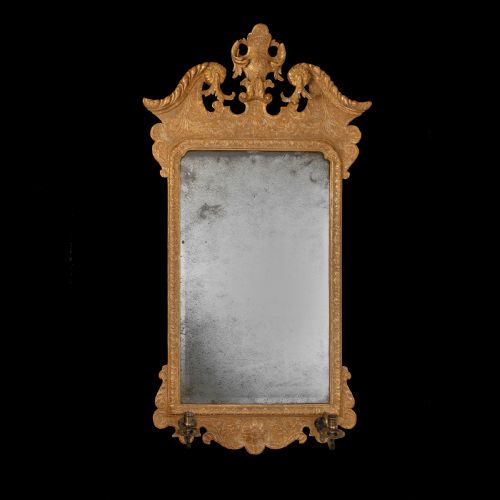
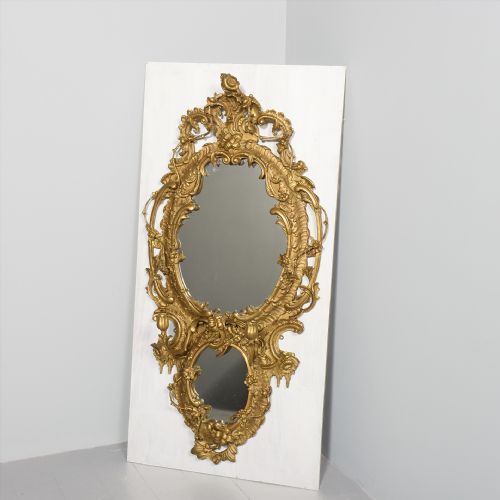
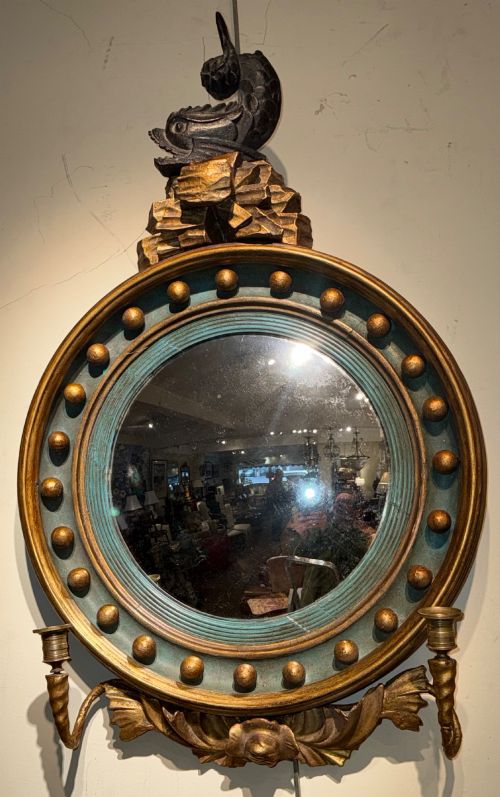
These gilded wood sconce mirror pieces combine carved surfaces with reflective plates and candle arms, offering warmth and historical presence to a room.
Gilded Wood Sconce Mirror
A gilded wood sconce mirror brings together carved wooden frames, reflective glass plates, and integrated candle arms, functioning simultaneously as a light source and a wall ornament. Buyers seeking a gilded wood sconce mirror often find themselves choosing between single wall pieces and matched pairs designed for flanking a fireplace or console table.
The selection on this page spans several distinct eras and regional interpretations, ranging from eighteenth-century Venetian and Florentine works to nineteenth-century Victorian revivals and twentieth-century decorative pieces. Visitors most frequently encounter mid-to-late nineteenth-century interpretations alongside earlier eighteenth-century forms such as cartouche and pier mirrors.
Makers and workshops from various traditions utilised specific regional styles, including Italian Rococo, French designs, and George II carving patterns. These objects appear in forms designated simply as wall mirrors or more specifically as girandoles when fitted with arms for candles.
Materials and construction methods
Craftsmen built the foundations of these frames using timbers such as wood, which were then coated in layers of gesso to create a smooth preparation surface for carving and gilding. Artisans applied gold leaf or gilt paint over the prepared base to achieve the characteristic metallic brilliance associated with the style.
Mirror plates in older examples were typically silvered using traditional techniques, resulting in aged characteristics such as foxing on the glass surface. Metal components, including brass, frequently reinforced the structural integrity of the candle arms and mounting brackets.
Gilded Wood Sconce Mirror Retail Price Guide 2026
Typical asking prices for gilded wood sconce mirror among the pieces listed under this phrase on Sellingantiques today, from the lower quarter to the upper quarter. They describe what is for sale here now, not the wider market.
Listings feature items spanning from the eighteenth century through the Victorian era to the 1930s.
Distinctions in craftsmanship and design
The depth and intricacy of the hand-carved ornamentation separate standard decorative items from exceptional examples of the carver's art. Superior pieces display crisp relief work in the gesso and wood, whereas simpler items rely on heavier, less detailed moulding.
The integrity of the original gilding surface heavily influences the character of the object, with untouched historic gold leaf holding more historical weight than later overpainting. Furthermore, the retention of original mirror plates and functional candle arms preserves the architectural harmony intended by the maker.
Benjamin Goodison
The Gilded Wood Sconce Mirror Glossary
- Giltwood
- Wood that has been coated with gold leaf or powder. This finish provides the bright, reflective surface characteristic of formal antique frames.
- Girandole
- A decorative wall mirror fitted with branches or arms for holding candles. These fixtures were designed to multiply the effect of candlelight in a room.
- Gesso
- A mixture of gypsum and binder applied to wood to form a smooth ground. Carvers worked directly into this layer before applying gilding.
- Foxing
- Small dark spots and discolouration appearing on antique mirror glass. This occurs as the backing degrades over long periods.
- Cartouche
- An ornamental frame resembling a scroll or rolled-up piece of parchment. It often surrounds the central glass plate in Rococo designs.
Gilded Wood Sconce Mirror: Frequently Asked Questions
How do I hang a heavy gilded mirror safely?
These frames require secure wall fixings suited to their weight and construction material. Using professional mirror brackets attached directly to structural wall studs ensures safe suspension.
Positioning the piece at eye level maximises its reflective impact while distributing the load evenly across the hanging hardware.
What is the difference between a mirror and a girandole?
A standard wall mirror serves primarily for reflection and decoration. A girandole incorporates integrated arms designed specifically to hold candles.
Historical examples used these candle arms to bounce additional light into dimly lit parlours and dining rooms.
How should I clean antique giltwood frames?
Dusting with a soft, dry brush prevents the accumulation of dirt without disturbing fragile surfaces. Moisture and modern cleaning chemicals can damage old gesso and gold leaf.
Professional conservation is recommended for deep cleaning or repairing flaking areas on delicate antique frames.
Can I use the candle arms on an old girandole?
Using real candles risks dripping wax onto the delicate gilded surfaces and historic wood below. Modern LED alternatives offer a safer way to replicate the intended ambient effect.
Checking the stability of the arm joints before placing any weight on them prevents structural damage.
How do I recognise an eighteenth-century piece?
Eighteenth-century examples often feature hand-carved wooden foundations beneath the gesso rather than moulded composition materials. Details tend to show deep relief work characteristic of periods like the George II and Rococo eras.
Original mirror plates frequently display natural foxing and minor imperfections consistent with age.