




Gilded Wood Print
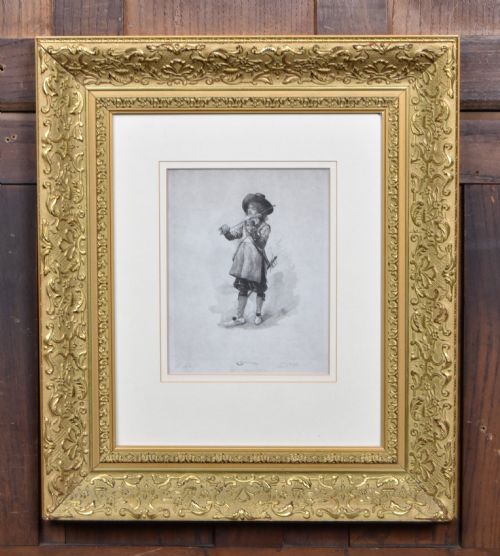
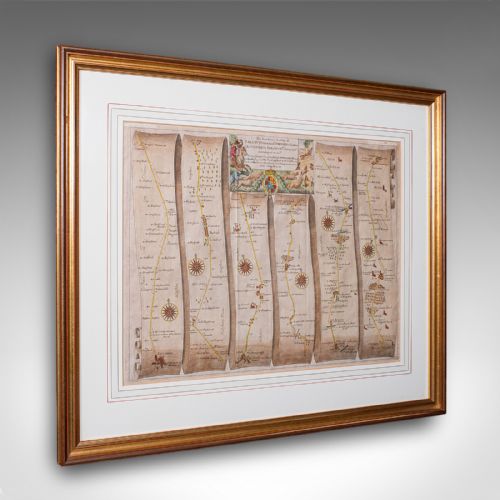
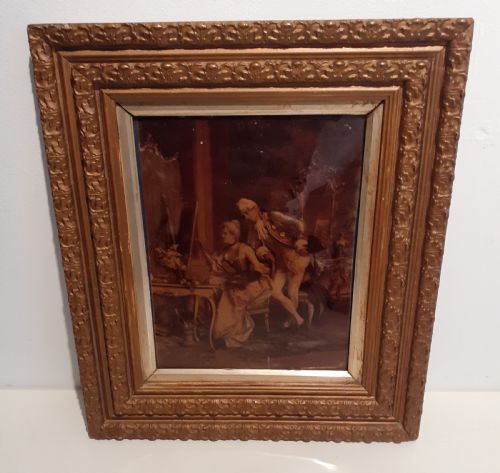
These gilded wood print pieces bring historic portraits, maps, and religious subjects into interiors within gleaming frames.
Gilded Wood Print
A gilded wood print search covers framed artworks, oil paintings, engravings, and maps spanning from the seventeenth century through the Victorian period and nineteen-twenty.
Framed works utilise glass, paper, canvas, and wood, often enclosed within giltwood or gilded gesso frames.
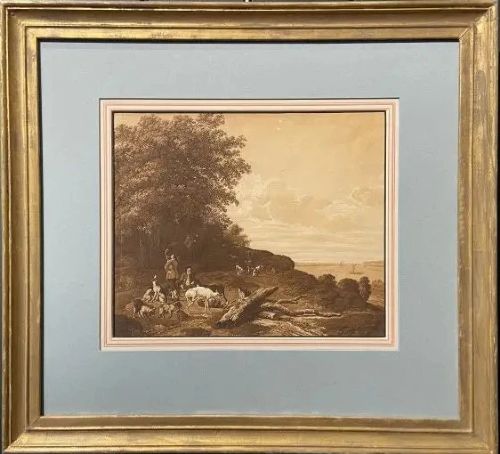
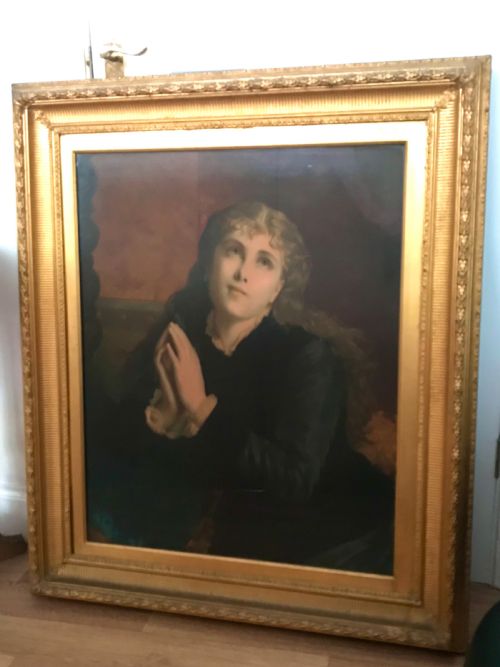
Subjects range from equestrian sporting art and Dutch Golden Age scenes to religious portraits and coaching maps.
Quality factors
The refinement of the carving on the gilded frame and the crispness of the print or engraving separate finer examples from standard production.
The preservation of the original gold leaf and the clarity of the glass or canvas surface determine the overall integrity of the piece.
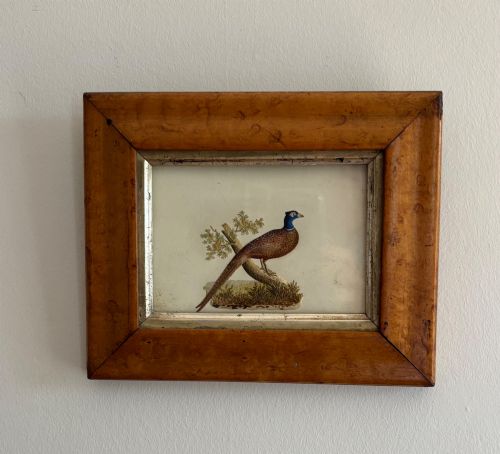
Subjects stretch from battles and saints down to children playing and a pheasant in relief.
Samuel Dixon·Johannes Lingelbach·Ogilby·Abraham Cooper·Gustave Doré·Adolphe Pannemaker·Colton·Karl Feiertag·Élisabeth Louise Vigée Le Brun·Victor Valery
The Gilded Wood Print Glossary
- Giltwood
- Wood that has been coated with gold leaf. This material provides the bright metallic finish seen on historical picture frames.
- Gesso
- A plaster mix applied to wood before gilding. It creates a smooth base for carving and catching the gold leaf.
- Engraving
- An image incised into a metal plate and printed onto paper. This technique produces fine, detailed lines.
- Oleograph
- A type of chromolithographic print textured to resemble an oil painting. These appeared frequently in nineteenth-century interiors.
- Eglomise
- Gilding applied to the rear face of glass. It produces a reflective, mirror-like border around prints or paintings.
Gilded Wood Print: Frequently Asked Questions
What is a gilded wood print?
A gilded wood print refers to framed artworks, maps, or engravings housed within wooden frames finished with gold leaf or gesso.
These pieces span multiple centuries, incorporating techniques like reverse glass painting and traditional paper engraving.
How were these frames constructed?
Makers shaped wooden mouldings and applied layers of gesso to create a smooth surface suitable for receiving gold leaf.
This traditional method gave seventeenth-century to Victorian frames their distinctive reflective quality.
Where should I hang these pieces?
These framed works suit living rooms, studies, or hallways where wall space allows traditional art to become a focal point.
Keep them away from direct sunlight and excessive moisture to protect the paper, canvas, and gilded surfaces.
How do I identify the period?
Period identification relies on examining the frame construction, the style of the engraving or painting, and the materials used.
Seventeenth-century examples differ visibly in framing technique and subject matter from nineteenth-century oleographs or nineteen-twenty watercolours.