

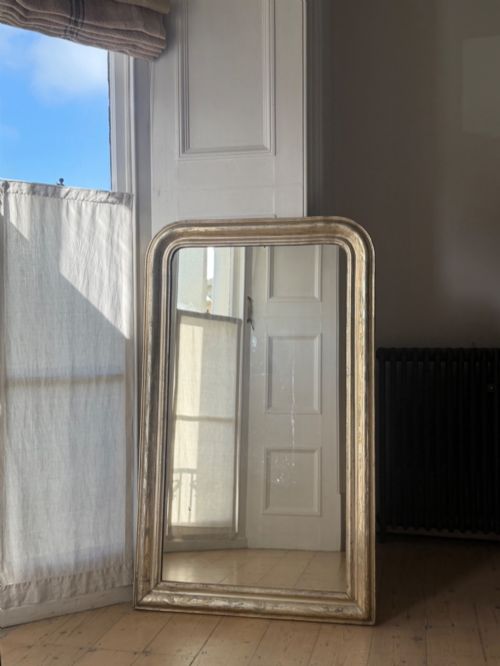
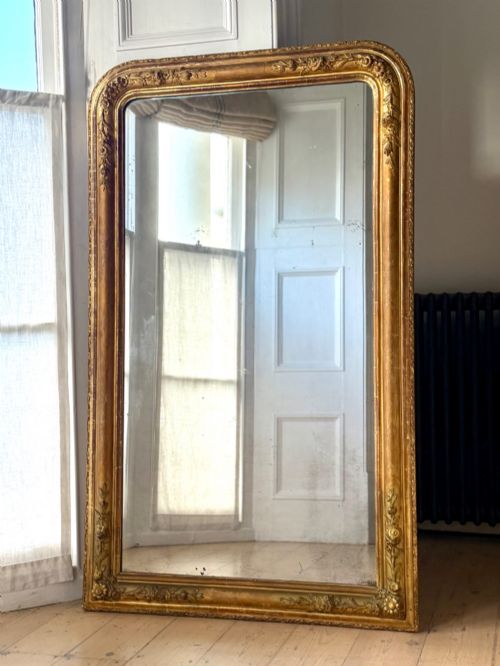
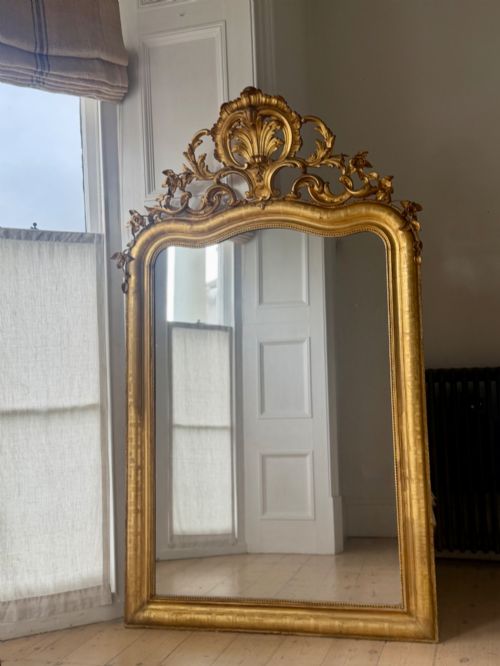

Gilded Wood Glass
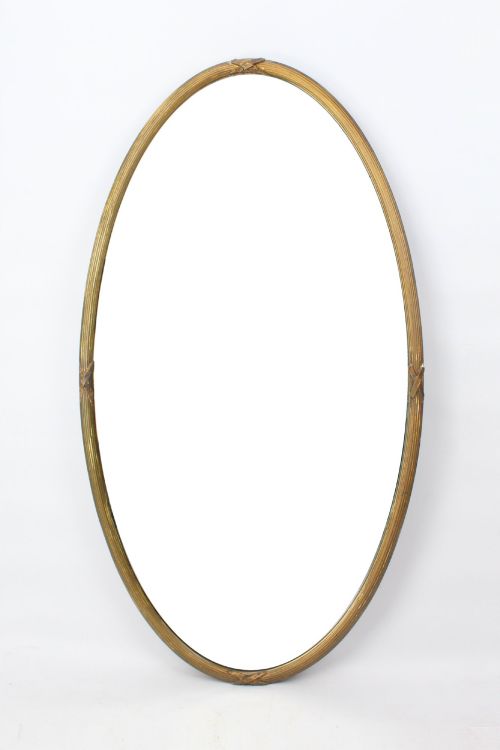
These pieces of gilded wood glass combine reflective plates with ornate metallic frames to bring light and architectural presence into a room.
Gilded Wood Glass
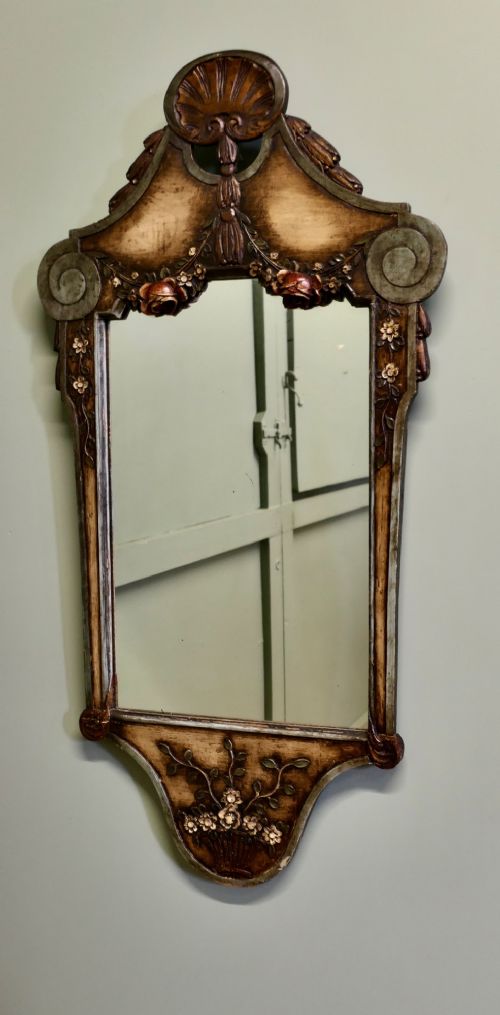
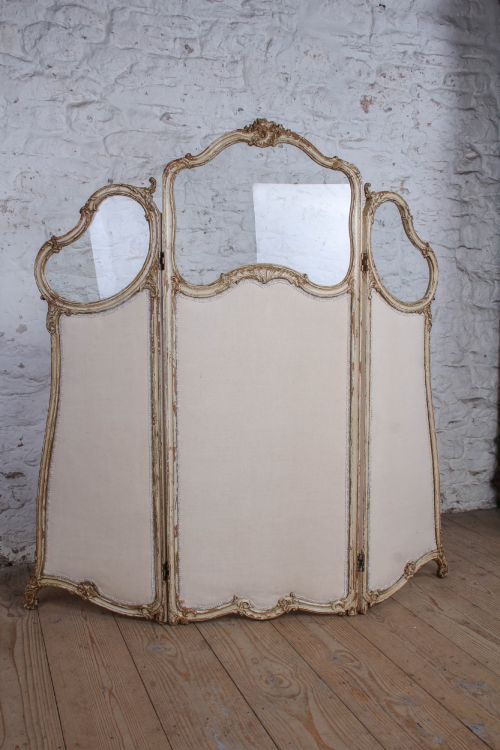
When you search for gilded wood glass, you are looking at mirrors, console tables, and devotional icons framed in metallic leaf over wood and gesso. These objects serve both practical and decorative roles within domestic interiors.
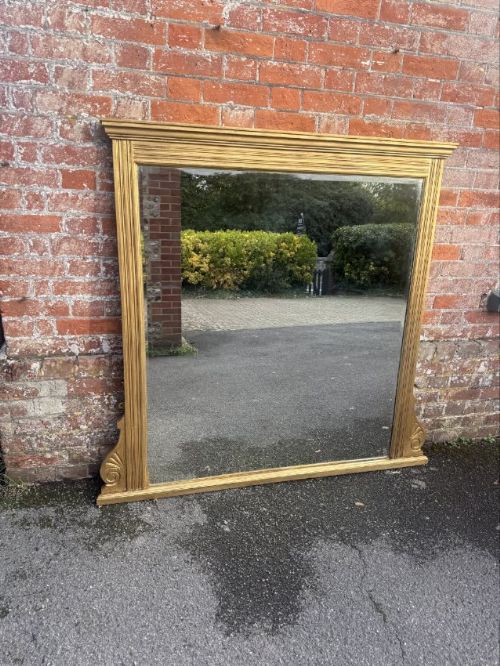
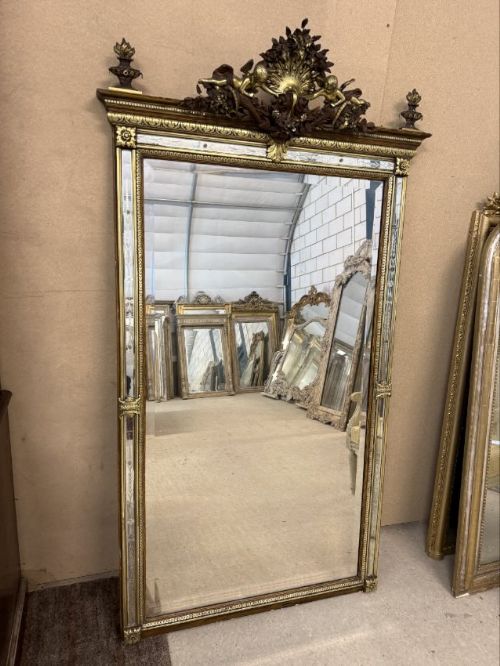
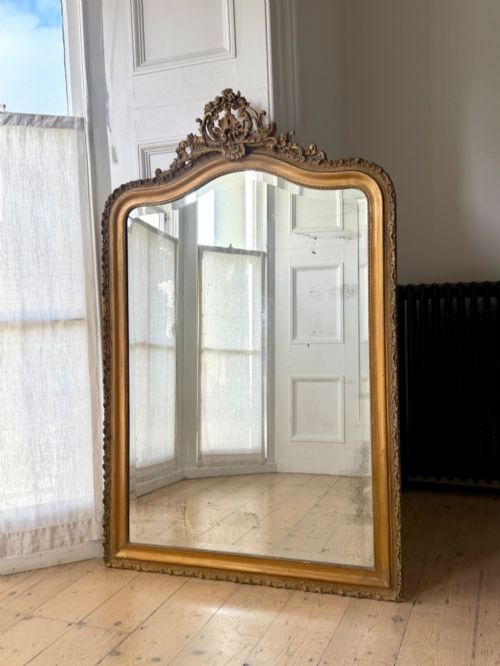
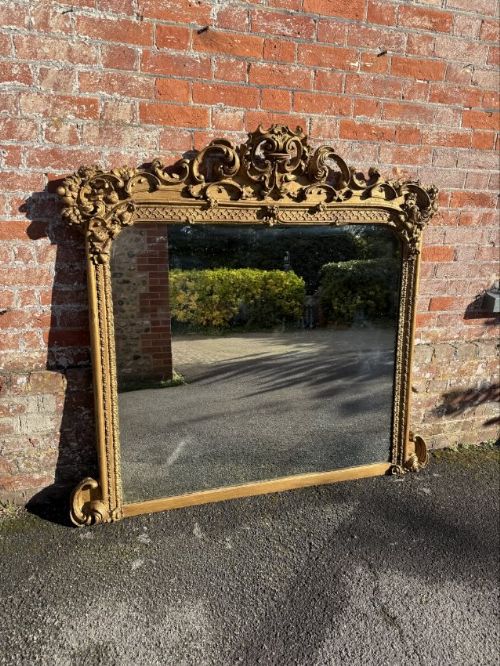
The most common version met on this page is the large French wall mirror or overmantel mirror from the nineteenth century. These forms often feature architectural pediments, carved ornamentation, and original reflective plates.
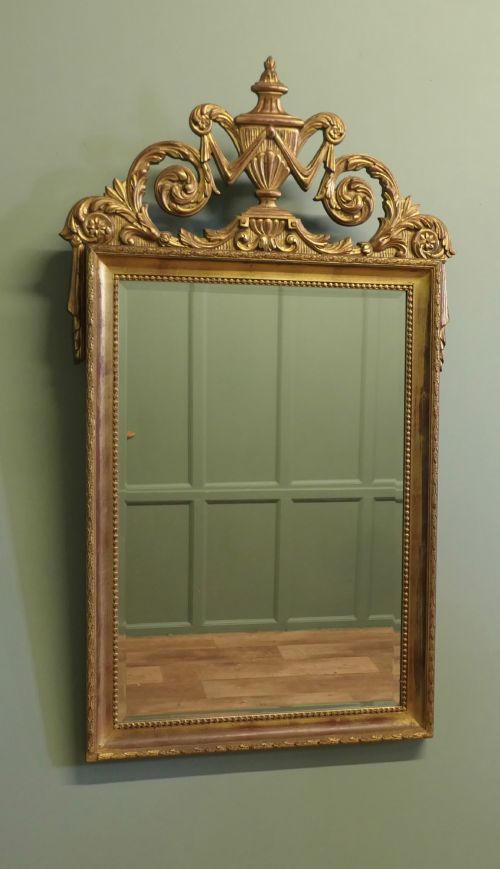
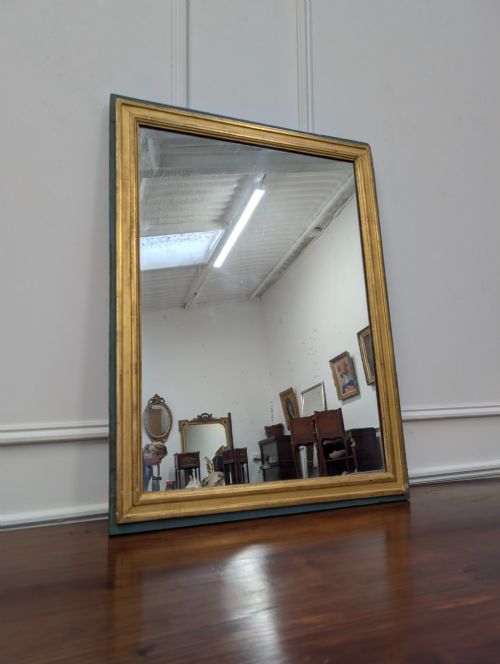
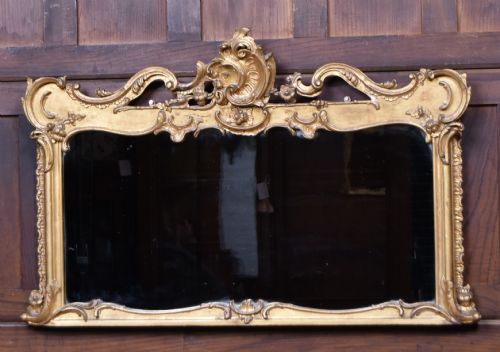
The selection also includes Georgian and Regency English wall mirrors alongside Italian rococo and neoclassical examples. Pieces span from the eighteenth century through to the early twentieth century, reflecting varied regional tastes.
Construction and Materials
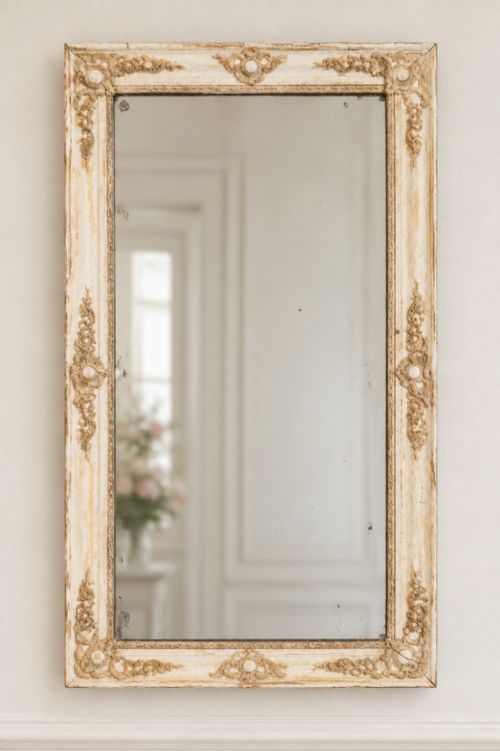
Makers shaped the frames from timber, applying layers of gesso to build up intricate relief carvings such as scrolls, rope twists, and floral motifs. Artisans then laid thin sheets of gold or silver leaf onto the prepared surface.
Glass plates were produced by pouring molten metal or using mercury backing methods to create reflective surfaces. Over time, these mirror plates develop characteristic foxing and spotting that distinguish older glass from modern replacements.
Gilded Wood Glass Retail Price Guide 2026
Typical asking prices for gilded wood glass among the pieces listed under this phrase on Sellingantiques today, from the lower quarter to the upper quarter. They describe what is for sale here now, not the wider market.
Materials recorded across the inventory include carved wood, gesso, gold leaf, and original mercury glass plates.
Assessing Quality
Quality rests in the depth and crispness of the hand-carved gesso and wood details beneath the metallic leaf. Finer pieces retain sharp definition in their ornamentation without the softening caused by over-restoration or heavy cleaning.
The integrity of the original glass plate and its mounting also dictates the standing of the piece. Authentic mercury or early bevelled glass with natural foxing holds greater character than replaced modern mirror plates.
Arsène Rochette of Versailles
The Gilded Wood Glass Glossary
- Giltwood
- Wood that has been coated with gold leaf. This finish provides a warm, reflective metallic sheen that catches interior candlelight or daylight.
- Gesso
- A plaster mixture applied to carved wooden frames to create a smooth surface for gilding. It allows for intricate relief moulding.
- Mercury glass
- A type of silvered glass created by pouring a liquid mercury amalgam between two glass walls or onto a single plate. It creates a mottled, atmospheric reflection.
- Overmantel mirror
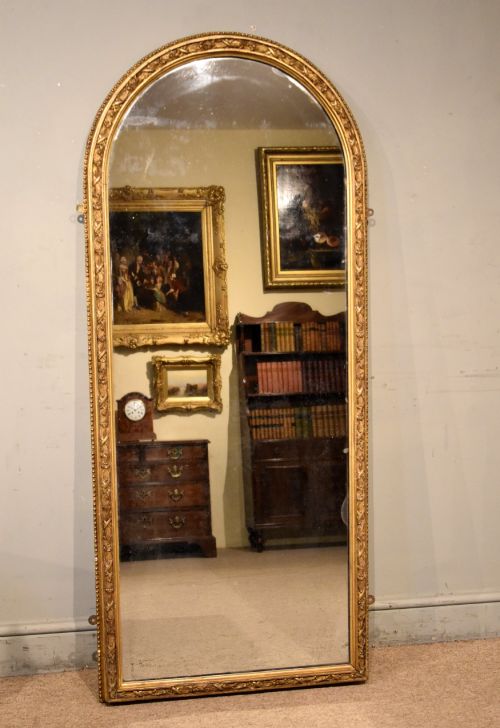
- A large mirror designed to hang above a fireplace mantelpiece. These pieces often feature wide rectangular or arched formats to fill wall space.
- Parcel-gilt
- An object finished with partial gilding where only specific carved elements or raised details are highlighted in gold leaf against a contrasting wood or painted ground.
Gilded Wood Glass: Frequently Asked Questions
What is mercury glass?
Mercury glass is an early form of reflective plate created using a silvering technique that often involves liquid mercury amalgams. This process produces a distinctive dark, mottled appearance behind the glass.
Over decades, this backing develops natural foxing and spots which distinguish original antique plates from modern mirror replacements.
How do I hang a heavy giltwood mirror?
Large overmantel and wall mirrors require secure fixings into structural wall studs or masonry rather than standard plasterboard hooks. Professional mirror hangers use heavy-duty brackets to distribute the substantial weight safely.
Ensuring the frame rests securely on supporting brackets prevents strain on the original timber joints and ancient fixings.
How do I clean a gilded frame?
Gilded wood and gesso frames require gentle dusting with a soft, dry brush to remove surface particles. Moisture and chemical cleaning agents can strip or discolour fragile gold leaf.
Avoid rubbing the metallic surfaces, as the underlying gesso and leaf layers can be easily damaged by abrasive cloths.
What is an overmantel mirror?
An overmantel mirror is a wide or tall looking glass specifically proportioned to hang directly above a fireplace mantel. These pieces were traditionally used to reflect light from the hearth and brighten the room.
They often feature arched tops or rectangular frames designed to match the architectural scale of period chimney breasts.