






Gilded Wine Glasses
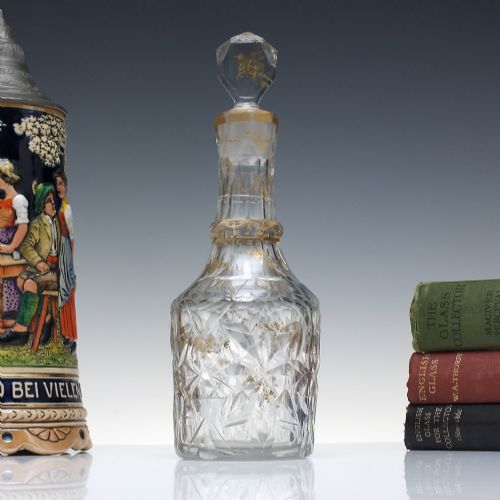
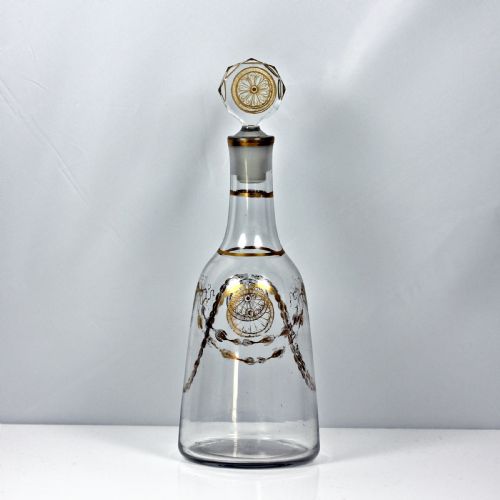
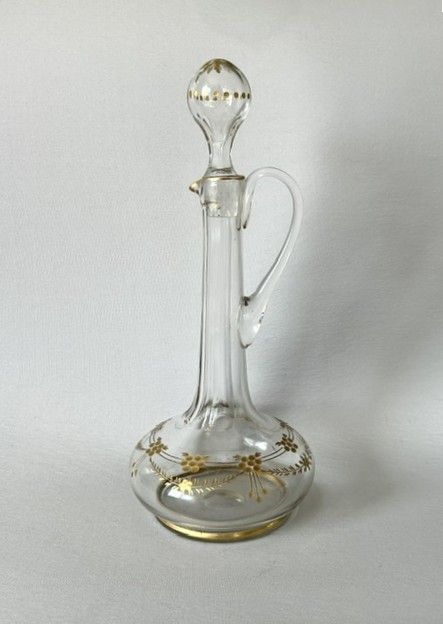
These gilded wine glasses bring brilliant sparkle and historic weight to the table, uniting crystal forms with bright metallic surface decoration.
Gilded Wine Glasses
The forms originate across English, Bohemian, German, Austrian, and French workshops, utilising lead glass, crystal, and lead crystal glass alongside matching decanters and carafes. You will meet pieces carrying distinct regional decoration, from heraldic motifs on German Historismus roemers to floral enamel on Theresienthal crystal.
Collectors seek these items for their historical craftsmanship and decorative presence, utilising them for formal dining or display. They represent centuries of glassmaking skill where cutting, engraving, and gilding meet to create sophisticated drinking vessels.
How they were made
Makers shaped these objects from lead crystal glass, crystal, and standard glass using traditional blowing and cutting techniques. Artisans formed stems with air twists or facets, and shaped bowls into rimmers, hock glasses, and goblets.
Workers applied gold leaf and gilding to the surface, frequently combining the metal with colourful enamel decoration. Specialised workshops like those of James Giles or Theresienthal added intricate hand-engraving and floral or heraldic motifs before firing the pieces to fix the ornament.
Gilded Wine Glasses Retail Price Guide 2026
Typical asking prices for gilded wine glasses among the pieces listed under this phrase on Sellingantiques today, from the lower quarter to the upper quarter. They describe what is for sale here now, not the wider market.
Some glasses wear their gold so proudly they practically wink at you across the centuries, daring you to spill the claret.
What varies in quality
The standard of a piece rests on the crispness of the glass cutting and the precision of the engraving, where sharp facets and deep wheel-cuts distinguish finer examples. The purity and weight of the lead crystal glass or lead glass also determine the structural elegance of the stem and bowl.
The application of the gilding and enamel work defines the visual success of the vessel. Intricate heraldic detailing, secure gold adherence, and finely executed floral enamelling separate exceptional workshop output from simpler production.
James Giles·Theresienthal·Adelbert Niemeyer·Moser
The Gilded Wine Glasses Glossary
- Gilding
- The application of gold leaf or gold gilt to the surface of glass or crystal. This technique adds metallic brilliance and highlights engraved or moulded designs.
- Römer
- A traditional large German or Bohemian wine goblet featuring a wide bowl and a thick, studded stem. These often display elaborate enamel decoration and gilding.
- Hock glass
- A tall-stemmed wine glass traditionally used for white wine or hock. They frequently feature coloured crystal bowls paired with heavy enamel and gold work.
- Opaque twist
- A type of glass stem containing white or coloured enamel threads twisted inside clear glass. This technique is typical of 18th Century English drinking vessels.
- Ratafia glass
- A narrow, flute-like glass designed for sweet ratafia cordials during the Georgian period. They often incorporate delicate engraving and gilded rims.
Gilded Wine Glasses: Frequently Asked Questions
Can I still drink from antique wine glasses?
You can use these pieces for special occasions, provided you handle them with care due to their age and delicate stems. Ensure guests hold them gently by the bowl or stem base rather than applying pressure to the rim.
Many collectors prefer to reserve them for display or ceremonial toasts to preserve the integrity of the 18th and 19th Century glass.
How do I date an old wine glass?
Examine the weight of the glass, the formation of the stem, and the style of the engraving or gilding. Georgian pieces often feature opaque twists or facet-cut stems, while Victorian and 19th Century examples lean towards heavy enamelling and opalescence.
Maker attributions and workshop signatures, where present, help narrow down the decade of production.
What is the difference between crystal and glass?
Lead crystal glass contains metallic oxide such as lead, which increases the weight, refractive index, and clarity of the material. This composition allows artisans to cut deeper facets that catch the light more brilliantly than standard glass.
Standard glass is lighter and lacks the high ring and sparkle characteristic of true crystal vessels.