



Gilded White Porcelain Charger
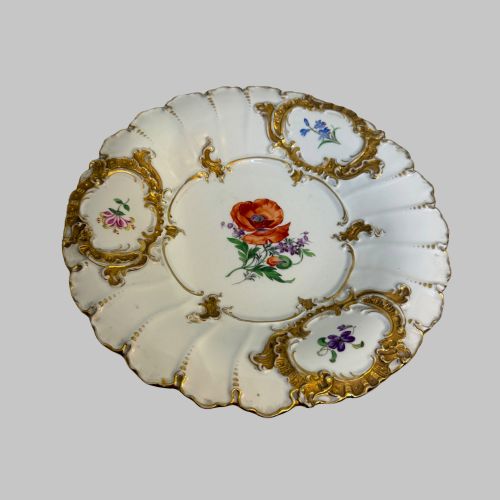
These gilded white porcelain charger options bring together hand-painted decoration, gold leaf accents and firm forms from the Victorian, Edwardian and Meiji eras.
Gilded White Porcelain Charger
A gilded white porcelain charger is a broad display dish or large plate featuring a white ceramic body enriched with gold leaf, gilt or gold gilt decoration. Buyers exploring this category typically encounter decorative plates, cabinet plates, plaques, chargers and platters, alongside decorative bowls.
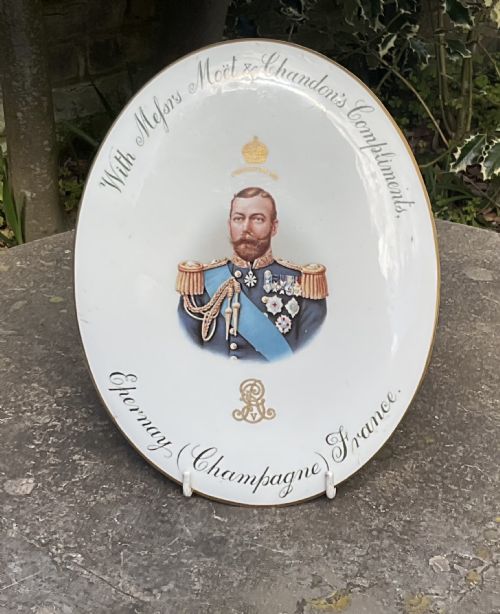
The selections span from the mid-nineteenth century through to the early twentieth century, taking in periods such as Victorian, Edwardian and Japanese Meiji. Forms range from octagonal plates and reticulated dishes to large serving platters and commemorative plaques.
Origins represented in these items cross between European factories, notably German makers, and Japanese workshops. Styles vary from Rococo and Rococo Revival to Japanese Imari and Japanese Meiji designs.
How they were made
The underlying material is hard-paste porcelain or standard ceramic, shaped into plates, bowls and platters before receiving initial firing. Artisans then applied enamel paints by hand to render botanical subjects, exotic birds and figures.
Gold leaf, gilt and gold gilt were meticulously added to the rims, borders and raised motifs, often highlighting reticulated openwork or moulded rococo scrollwork. Certain pieces integrate specialised techniques like pate-sur-pate, building up raised white slip reliefs upon the porcelain body.
Exotic birds gaze eternally across gilded plates, unfazed by a century of changing mantelpieces.
What varies in quality
Quality rests primarily on the precision and fineness of the hand-painted brushwork, particularly where complex subjects like exotic birds or floral compositions are concerned. Pieces demonstrating superior artistic execution display greater detail, depth of colour and deliberate placement.
The application and preservation of the gold leaf or gilt also define the upper tier of pieces, distinguishing crisp, burnished gilding from flat or worn metallic surfaces. Furthermore, the complexity of the porcelain body itself, such as reticulated openwork or specialised pate-sur-pate decoration, elevates the standing of an individual item.
Meissen·MOËT & CHANDON·Minton
The Gilded White Porcelain Charger Glossary
- Charger
- A large decorative plate or platter traditionally used for ceremonial purposes or as a base for other dishes. In antique contexts, these function primarily as wall or cabinet display pieces.
- Gilt
- A thin layer of gold applied to the surface of porcelain, wood or metal to give a gold appearance. This finish can range from bright burnished gold to subtle matte accents.
- Reticulated
- Describes ceramic or porcelain featuring an openwork pattern cut through the body before firing. This technique creates delicate, lace-like borders on plates and bowls.
- Pate-sur-pate
- A French term meaning paste on paste, denoting a ceramic decoration technique where successive layers of liquid white clay are built up to form a low relief cameo effect.
- Imari
- A traditional style of Japanese porcelain featuring a distinct palette of underglaze blue, iron red, and abundant gold leaf. These wares were heavily exported to Europe from the Meiji period onward.
Gilded White Porcelain Charger: Frequently Asked Questions
What is a gilded white porcelain charger used for?
These large dishes were traditionally created for ceremonial display or as substantial serving platters at formal dining tables. Today, collectors primarily use them as decorative wall plaques or cabinet display pieces to showcase fine ceramic artistry.
Because of their substantial size and ornate gilding, they serve as focal points in period interiors. They are best displayed securely mounted on walls or supported on sturdy plate stands rather than used for daily dining.
How can I tell Japanese Meiji pieces apart from European ones?
Japanese Meiji pieces often feature distinct aesthetic traditions such as Imari palettes with iron red and dense gold leaf, or hand-painted motifs rooted in Japanese iconography. European items from the same era, such as those from German factories, frequently lean towards Rococo revival scrollwork or classical botanical subjects.
The underlying porcelain paste and any factory marks also help distinguish origin. European works commonly carry impressed or painted stamps, while Meiji pieces rely on hand-painted signatures or aesthetic conventions of Japanese workshops.
What does Meissen crossed swords mean?
The crossed swords mark is the traditional trademark of the Meissen porcelain manufactory in Germany. It was utilised to identify authentic pieces produced at the factory and prevent imitation.
Finding this mark on a dish points to German manufacture during periods spanning the nineteenth and early twentieth centuries. Collectors look to these specific underglaze blue marks to help date the piece and confirm its workshop origin.