





Gilded White Porcelain Bowl
When you search for a gilded white porcelain bowl, you meet fine ceramic vessels embellished with gold leaf and enamel across eighteenth and nineteenth-century periods.
Gilded White Porcelain Bowl
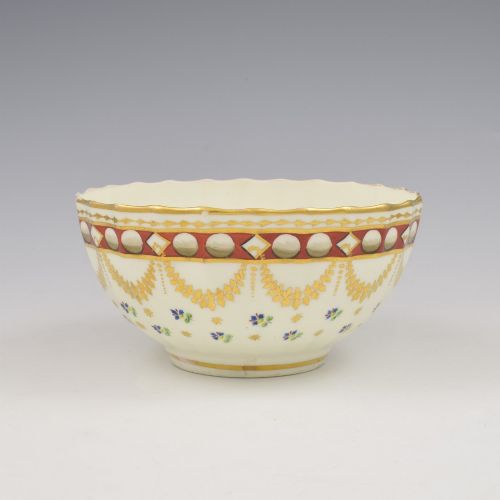
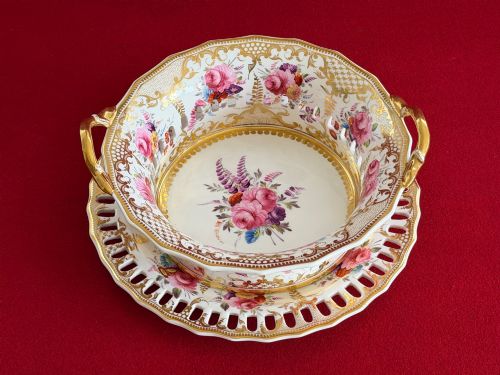
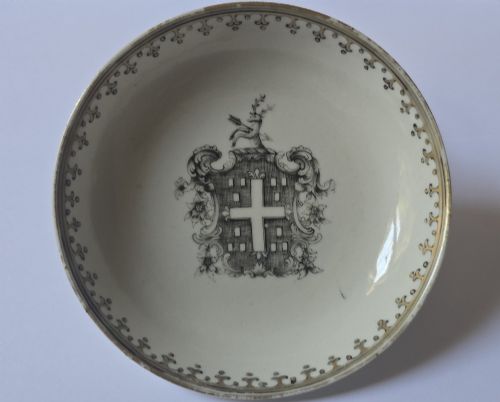
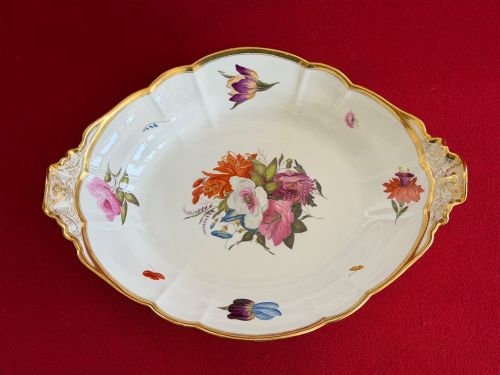
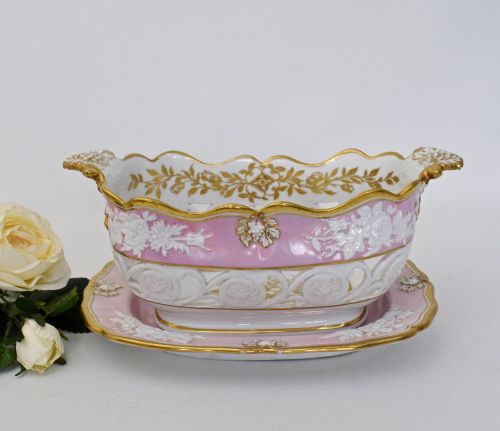
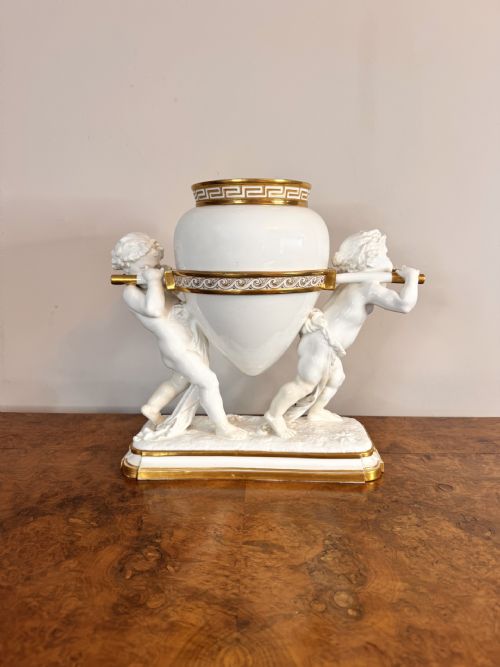
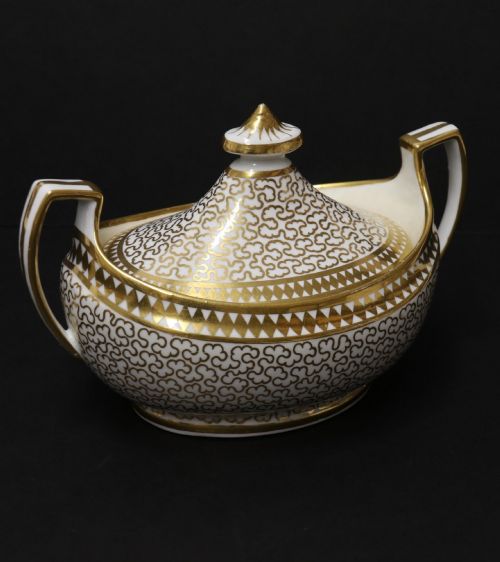
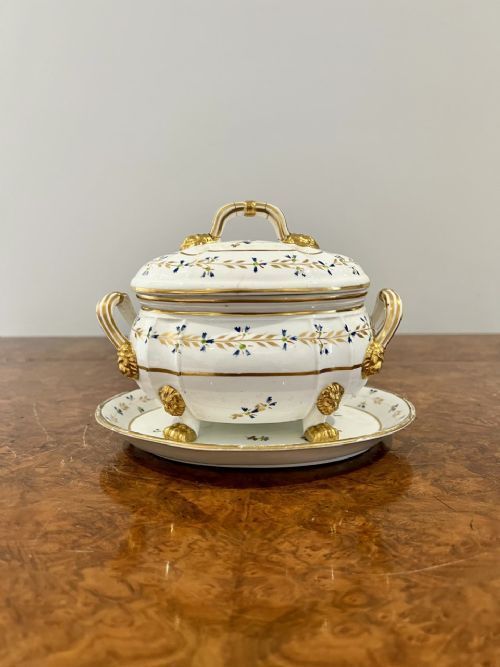
A gilded white porcelain bowl brings together bright ceramic bodies and applied gold leaf or gilding, appearing in forms from decorative centrepieces to sucriers and dessert dishes. When exploring this phrase, you encounter items shaped by nineteenth-century and eighteenth-century makers, alongside Georgian, Regency, and Victorian styles.
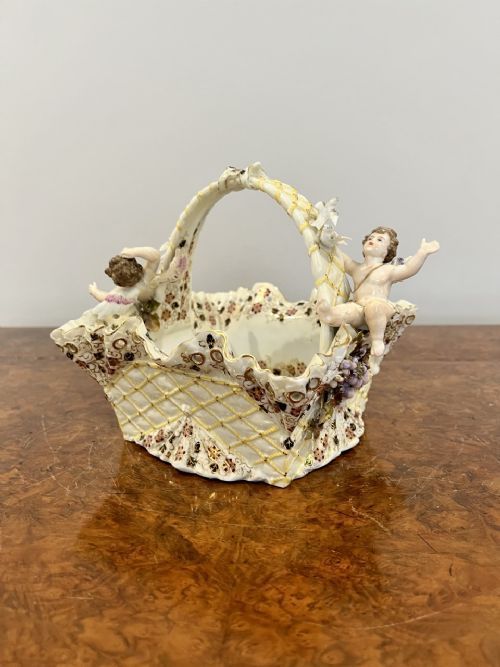
The objects span varied functional forms, including punch bowls, flower-encrusted baskets, and tureen bases alongside standard tableware. Pieces originate from English, French, German, and Japanese workshops, with soft-paste porcelain, bone china, and ironstone appearing among the ceramic bodies.
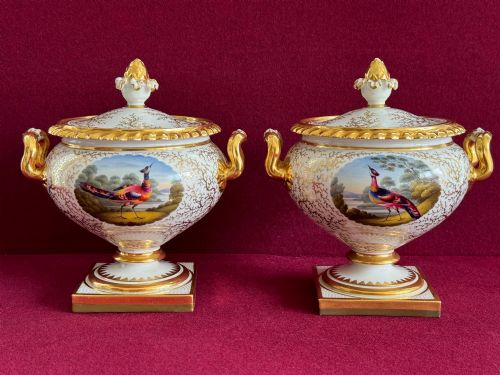
Most examples rely on hand-painted botanical or landscape motifs combined with gilt borders to frame the white ground. Collectors select these items for their decorative presence and historical connection to prominent European and Asian kilns.
Materials and production methods
Potters shaped these objects using porcelain, bone china, and soft-paste ceramic bases, often firing them to high temperatures before applying surface decoration. Enamel paints provided colour for floral sprays and hand-painted views, while gold leaf and liquid gilding added metallic highlights to rims and handles.
Craftsmen applied gold leaf by hand, sometimes burnishing the metal to achieve a bright shine against the white porcelain ground. Additional techniques included applied floral elements and moulded details, as seen in Rococo Revival and Regency designs.
Gilded White Porcelain Bowl Retail Price Guide 2026
Typical asking prices for gilded white porcelain bowl among the pieces listed under this phrase on Sellingantiques today, from the lower quarter to the upper quarter. They describe what is for sale here now, not the wider market.
Musical putti figures occasionally clamber across centrepieces, bringing a cheerful eighteenth-century theatricality to the tea table.
Distinctions in execution and condition
Quality rests upon the crispness of the moulded porcelain form and the precision of the hand-painted enamel and gilding work. Superior examples display carefully applied gold leaf with minimal rubbing, alongside well-defined painted scenes or botanical studies.
The finesse of the ceramic body itself separates standard production from finer pieces, with translucent porcelain and delicate relief moulding indicating higher workshop standards. Preservation of the original gilt highlights and structural integrity without restoration further define the upper tier of these items.
Chamberlains Worcester·Minton·Spode·Meissen·Crown Derby·Rockingham·Paul Müller Selb·Plaue Schierholz·Royal Worcester·Grainger And Co·Doulton Burslem·Wedgwood·Mason·Ahrenfeldt And Asalvary·Barr Flight And Barr·Richard Ginori
The Gilded White Porcelain Bowl Glossary
- Sucrier
- A small covered sugar bowl designed for tea service use. These vessels frequently feature two handles and matching lids.
- Gilding
- The application of gold leaf or gold dust to the surface of porcelain. It provides metallic decorative borders and highlights.
- Soft-paste porcelain
- An artificial ceramic composition fired at lower temperatures than hard-paste porcelain. It possesses a softer glaze and creamy body.
- Comport
- A decorative footed dish or bowl used for serving fruit or sweets at the table. They often stand on a pedestal base.
- Imari
- A style of Japanese porcelain decorated in underglaze blue, iron red, and gold. European factories frequently copied these patterns during the eighteenth and nineteenth centuries.
Gilded White Porcelain Bowl: Frequently Asked Questions
How do I date an antique porcelain bowl?
Examine the style of decoration, ceramic body, and any factory marks stamped or painted on the base. Comparing these details against known production periods helps narrow the date of manufacture.
Changes in paste composition and gilding techniques across the eighteenth and nineteenth centuries also offer reliable clues to chronology.
Were these bowls used for dining?
Many examples served practical functions on the dining table for sugar, fruit, broth, or punch. Others were made purely for display as centrepieces and decorative vessels.
Form dictates function, with deep basins serving food service and shallow dishes or baskets holding decorative arrangements.
What is the difference between porcelain and ironstone?
Porcelain is a vitreous ceramic material fired at high temperatures until translucent and non-porous. Ironstone is a dense, opaque type of earthenware developed for durability.
Ironstone pieces generally feature thicker walls and heavier bodies than fine porcelain vessels.