



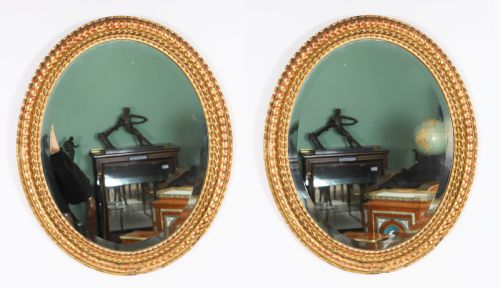
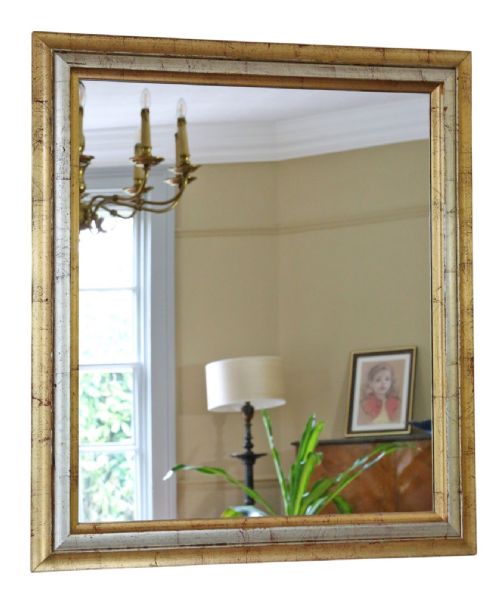


Gilded Vanity Wall Mirror
A gilded vanity wall mirror brings reflective warmth and historic design to a room.
Gilded Vanity Wall Mirror
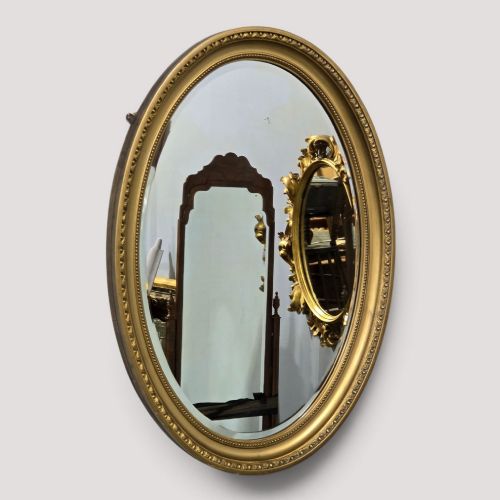
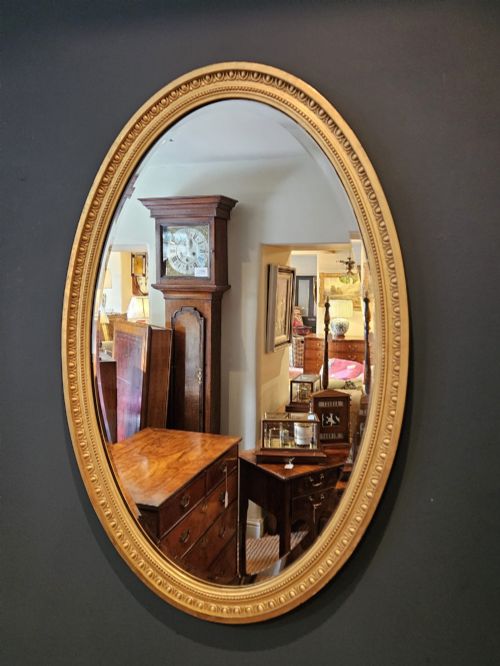
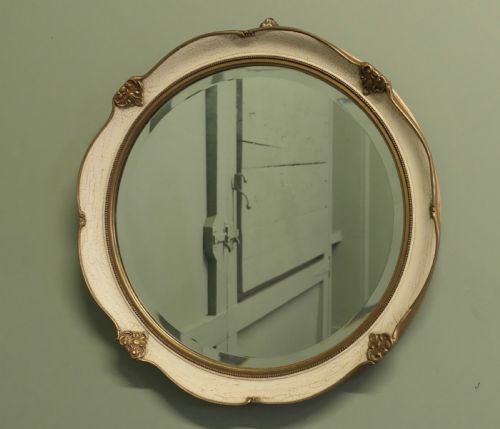
A gilded vanity wall mirror combines reflective glass with ornate metallic framing, designed to hang on interior walls for daily use and decorative effect. Buyers seeking this item will encounter pieces originating from diverse eras, ranging from 18th century workshops to early 20th century makers.
The selection on this page leans heavily toward oval and rectangular formats, incorporating styles such as Rococo Revival, Neoclassical, and French provincial designs. These mirrors frequently served in reception halls, morning rooms, and bedrooms to catch and multiply ambient light.
English and French examples dominate the selection, often utilising traditional proportions suited for placement above mantelpieces or dressing tables. Pieces span multiple centuries, capturing shifts in decorative taste from austere Georgian lines to elaborate Victorian ornamentation.
Materials and Construction
Makers constructed the primary framework of these mirrors using native timbers such as mahogany, walnut, and pine, which provided a stable substrate for decorative embellishment. Woodworkers shaped these bases through carving and turning before applying surface decoration.
Giltwood and gesso surfaces received thin layers of gold leaf or paint to achieve their characteristic metallic sheen. Artisans carved intricate details directly into the gesso layer or applied moulded plaster ornaments onto the wooden foundations.
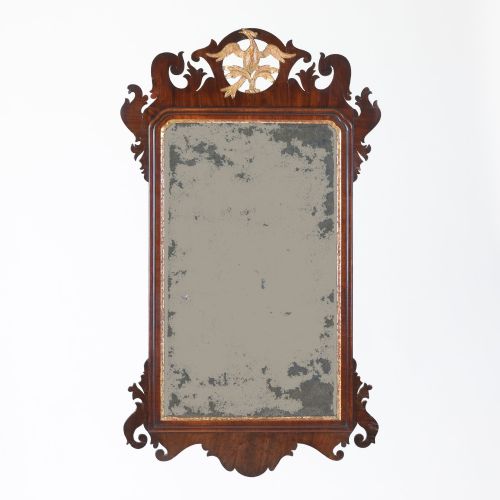
One cheerful 18th century design incorporates a carved Ho-ho bird perched atop the frame, watching over the room.
Quality and Craftsmanship
The depth and crispness of the carved ornamentation separate standard production pieces from finer works. Hand-carved wooden frames exhibit sharper botanical and scroll motifs than those relying entirely on moulded plaster compositions.
The integrity of the gilding and the preservation of the original mirror plate heavily influence the character of each piece. Superior examples retain their original gold leaf application and glass elements, showing natural ageing rather than heavy modern restoration.
Rudolstadt Volstedt
The Gilded Vanity Wall Mirror Glossary
- Gesso
- A plaster-based mixture applied to wood frames as a smooth base for gilding and paint. Artisans carved intricate relief patterns directly into this hardened material.
- Giltwood
- Timber that has been coated with gold leaf or metallic powder over a prepared ground. This technique creates a durable reflective surface that resists tarnishing.
- Rococo
- An ornate 18th century design style characterised by asymmetrical C-scrolls, shell motifs, and naturalistic plant forms. Mirrors from this tradition emphasise fluidity and movement.
- Neoclassical
- A decorative style drawing inspiration from classical antiquity, featuring symmetrical lines, urns, ribbons, and architectural moulding. It offers a restrained contrast to earlier revival styles.
- Overmantle
- A large mirror specifically proportioned to hang on the wall directly above a fireplace mantel. These pieces often feature horizontal orientations to match the span of the hearth.
Gilded Vanity Wall Mirror: Frequently Asked Questions
Where should I hang a gilded vanity wall mirror?
These mirrors suit spaces requiring functional reflection and decorative light enhancement, such as hallways, bedrooms, and above dressing tables. Their historic frames complement traditional interior arrangements and focal points.
Ensure the wall structure supports the weight of the timber and gesso frame before mounting. Position the mirror at eye level to maximise its utility as a functional looking glass.
How do I distinguish an 18th century mirror from a later revival piece?
Examine the construction methods visible on the reverse of the frame, including timber shrinkage, handmade fixings, and the composition of the gesso. Older pieces often display hand-cut joinery and aged patination consistent with centuries of handling.
Revival pieces produced during the Victorian and Edwardian eras frequently utilise machine-sawn timber and standardised moulding techniques. Comparing the backing boards and glass plate bevelling helps clarify the manufacturing period.
What is the difference between giltwood and gesso frames?
Giltwood frames feature gold leaf applied directly to a prepared wooden base, whereas gesso frames rely on a chalk and glue mixture applied to timber before gilding. Gesso allows for intricate moulded details that would be difficult to carve by hand.
Many antique mirrors combine both techniques, using a wooden structural carcass ornamented with gesso reliefs and finished with gold leaf. This composite construction enabled makers to achieve high levels of decorative detail.
How should I clean and maintain an antique gilded frame?
Dust the frame gently using a soft, dry brush to remove particulate matter without disturbing the delicate gold leaf surface. Avoid liquid cleaning solutions, ammonia, and chemical sprays, which can strip historic finishes.
Protect the mirror from direct sunlight and excessive moisture fluctuations to prevent the wood from warping and the gesso from cracking. Professional conservators should handle structural repairs to the gilding.