

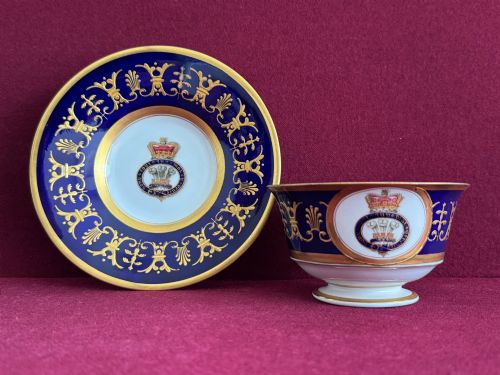
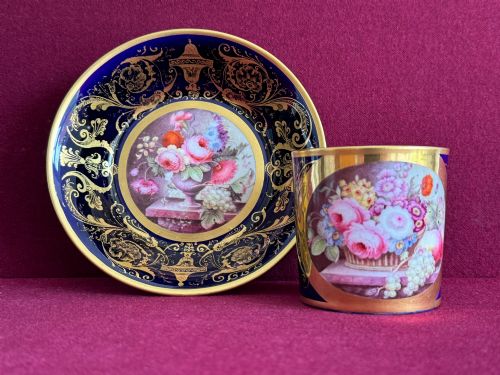
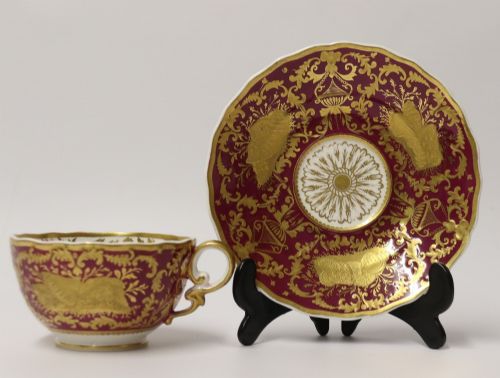
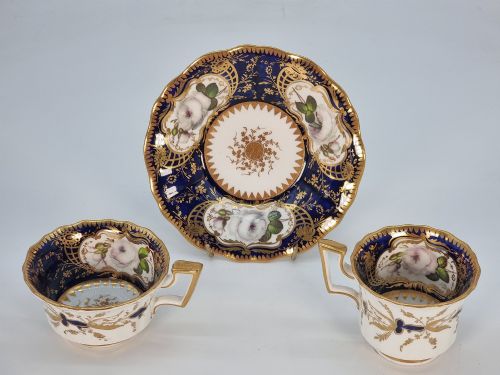
Gilded Teacup and Saucer
A gilded teacup and saucer brings delicate porcelain and luminous metal together for a ceremonial morning or afternoon tea.
Gilded Teacup and Saucer
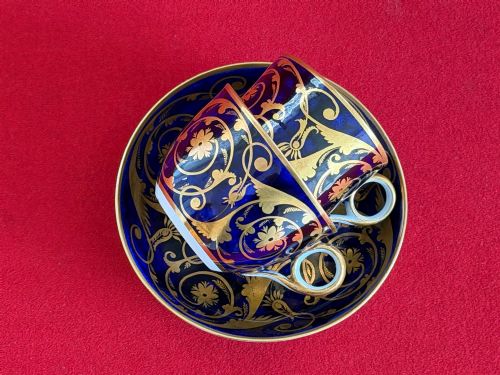
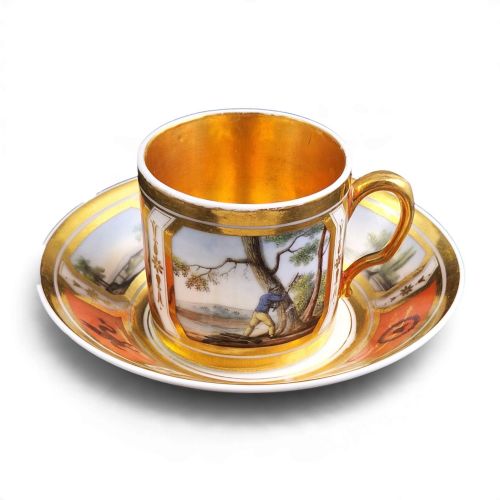
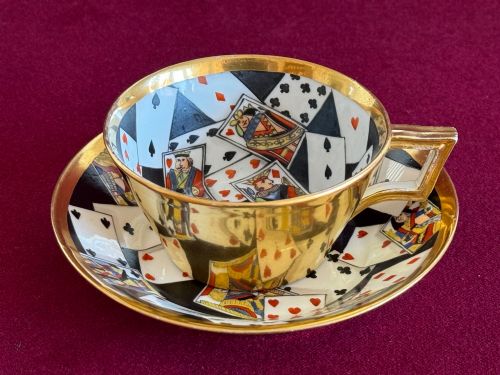
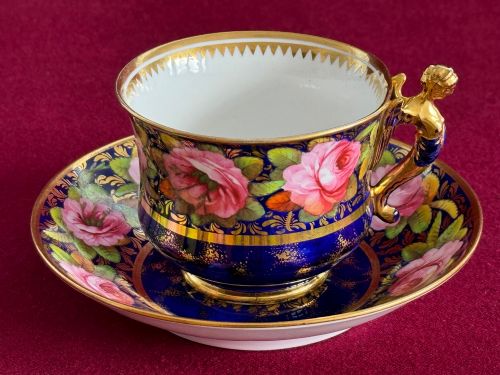
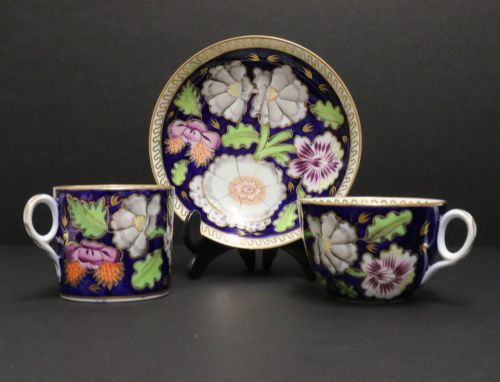
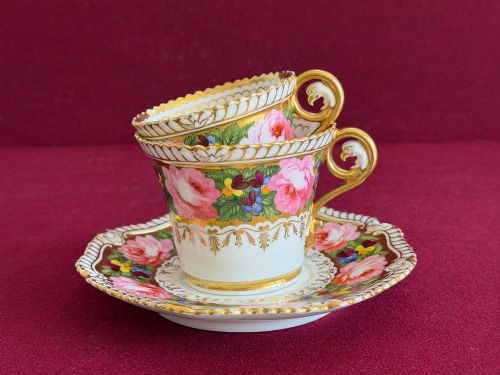
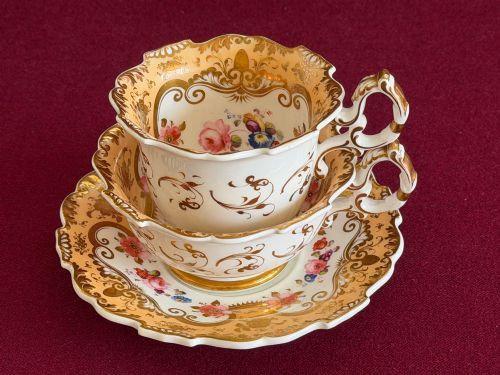
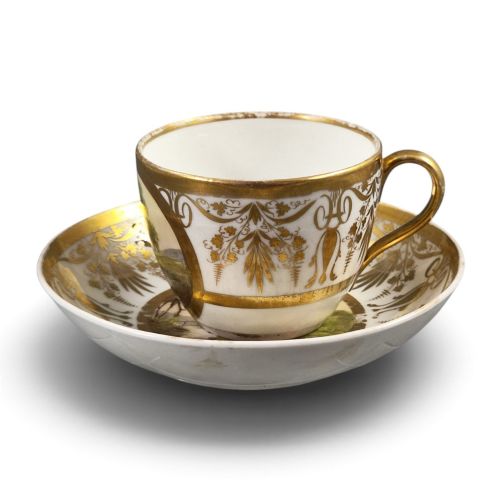
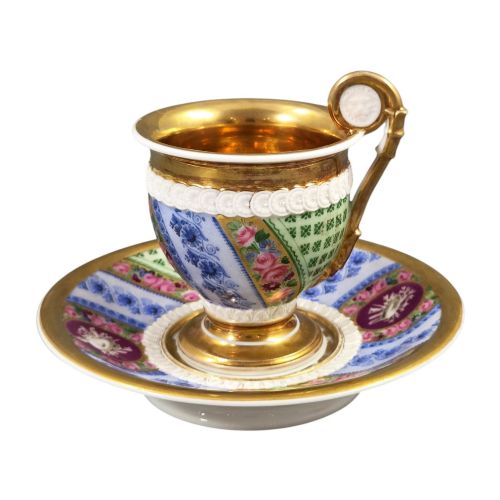
When you search for a gilded teacup and saucer, you encounter fine ceramic vessels designed for elite table service across several historical eras. The pieces gathered here span the eighteenth, nineteenth, and early twentieth centuries, originating from renowned English, continental European, and Asian workshops.
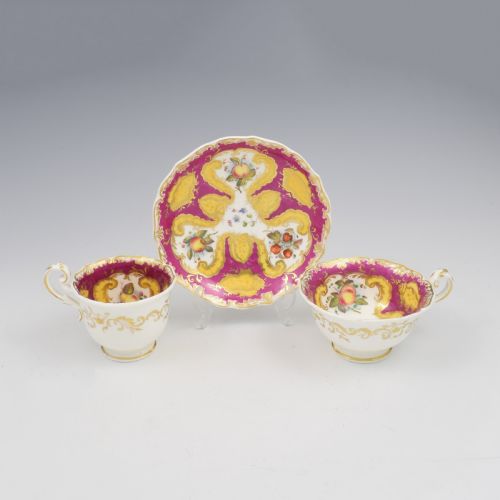
You meet various forms on this page, ranging from single cabinet cups to comprehensive tea services and trios that include matching coffee cans. The surviving examples demonstrate how porcelain technology and artistic styles shifted from Georgian simplicity through Regency exuberance to Edwardian refinement.
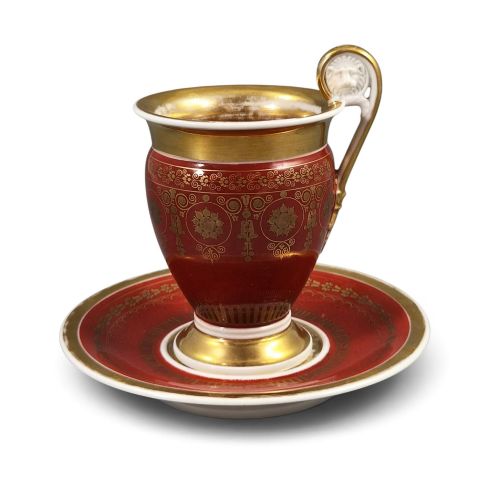
Makers utilised porcelain, bone china, and hard-paste porcelain as canvases for lavish surface decoration. Many items feature elaborate handles, lion mask motifs, or fluted tea bowls paired with deep saucers designed to hold the cup securely.
How they were made
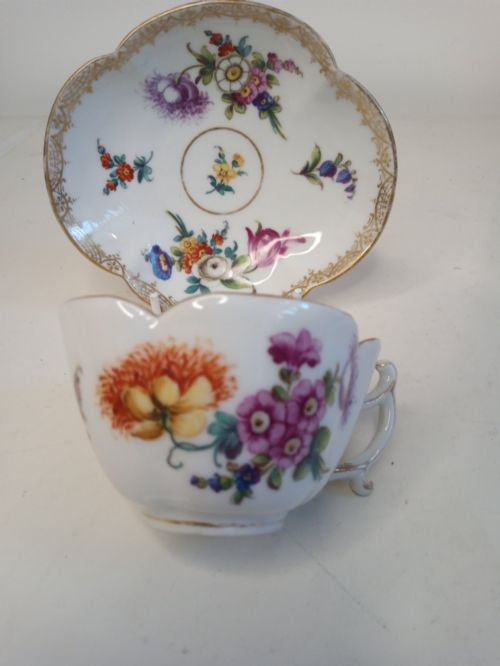
Potters shaped fine porcelain and bone china bodies on the wheel or pressed them into moulds before high-temperature firing. Artisans then applied hand-painted landscapes, botanical studies, or intricate enamel patterns directly onto the glazed surface.
Gold leaf and gold gilding were meticulously painted or applied by hand onto rims, handles, and borders before undergoing a final kiln firing to bond the metal to the glaze. This intensive process required steady hands and precise temperature control to achieve a lasting metallic brilliance.
Gilded Teacup and Saucer Retail Price Guide 2026
Typical asking prices for gilded teacup and saucer among the pieces listed under this phrase on Sellingantiques today, from the lower quarter to the upper quarter. They describe what is for sale here now, not the wider market.
Several eighteenth-century tea bowls arrived without handles because drinkers preferred warming their hands directly against the hot porcelain.
What varies in quality
The distinction between standard domestic wares and top-tier cabinet pieces lies in the crispness of the porcelain moulding and the precision of the hand-painted details. Superior examples exhibit finely rendered miniature scenes or botanical subjects rather than repetitive transfer-printed motifs.
The application of the gold leaf dictates much of the visual weight and value of a set. Heavy, burnished hand-gilding retains a warm, deep lustre that cheap or worn applications simply cannot replicate over time.
Royal Crown Derby·H & R Daniel·Chamberlain Worcester·New Hall·Coalport·KPM Berlin·Rockingham·Minton·Sevres·Flight Barr And Barr·Moser·Royal Worcester·Doric China
The Gilded Teacup and Saucer Glossary
- Cabinet cup
- A decorative cup and saucer intended for display in a glass-fronted cabinet rather than everyday use. These pieces often feature elaborate painted landscapes or armorial crests.
- Trio
- A matching set comprising a teacup, a coffee cup or tea bowl, and a saucer. They were popular in Regency and Victorian drawing rooms for versatile entertaining.
- Hard-paste porcelain
- A durable ceramic composition fired at very high temperatures using kaolin and petuntse. It creates a dense, bright white body that resists scratching.
- Imari
- A decorative style inspired by Japanese export wares featuring iron red, underglaze blue, and generous gold detailing. European potteries frequently reinterpreted this palette during the nineteenth century.
- Guilloche
- An ornamental pattern formed of two or more interlaced curved bands. It often appears as an engraved or painted border on eighteenth-century saucers.
Gilded Teacup and Saucer: Frequently Asked Questions
Were these cups used daily?
Many surviving sets were reserved for formal drawing room hospitality rather than rugged daily service. Their delicate handles and fine gold embellishments meant owners treated them with considerable care.
Over the generations, families often stored them away safely, which explains why so many delicate cabinet cups and trios survive in remarkable condition today.
How do I care for gilded porcelain?
Hand washing in warm water with a mild detergent protects the fragile enamel and delicate gold leaf from abrasion. Dishwashers quickly strip away historic gilding and weaken old ceramic bodies.
Storing pieces with adequate space between the cup and saucer prevents rim chipping and preserves the integrity of the antique materials.
What is the difference between a tea bowl and a teacup?
Tea bowls were produced without handles during the eighteenth century, requiring the drinker to hold the vessel by the rim and base. The introduction of handles during the Regency period transformed the form into the standard teacup.
Saucers for tea bowls were initially deeper to allow the hot liquid to cool in the basin before drinking.
How can I date an antique set?
Makers often stamped or painted factory marks underneath the glaze of the saucer or base. Comparing these specific ciphers against known historical registers reveals the exact period of manufacture.
Stylistic clues such as handle shape, paste opacity, and border motifs like turquoise guilloche or rococo scrolls also provide reliable chronological markers.